Shift Change Optimization

A simple way to improve your company's efficiency is to do the following: choose a process that is repeated every day or even several times a day, and optimize it to reduce waste in terms of time that is not value-added to the business and inefficient production starts.

Background and objectives

Customer details:

  • Company dedicated to the manufacture of household chemical products
  • Performance on a semi-automatic high-production line
  • Analysis of the shift change process

Starting point:

  • 40 minutes of end-of-shift cleaning
  • 15-minute startup
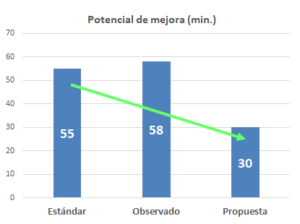
  • A total of 55 minutes per shift

Aim:

  • Reduction of time to 30 minutes, without increasing the number of people
  • A gain of 50 minutes of daily production, equivalent to an efficiency increase of 5% per shift

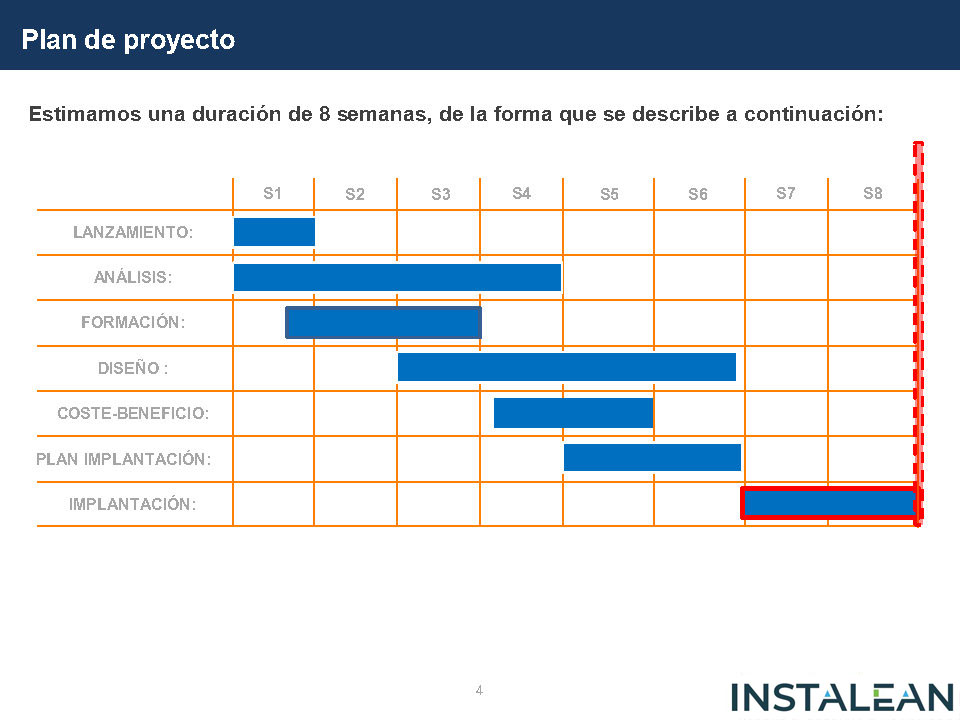
Calendar

Scope of work:

  • Analysis – Design: plant observations
  • Brownpaper & brainstorming workshop
  • Design of standards and procedures
  • Implementation and adjustments: on-site observations
  • Implementation control: monitoring results
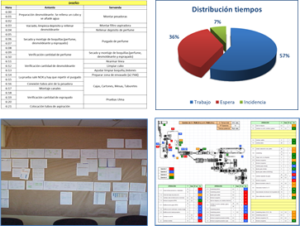
Analysis – On-site observations

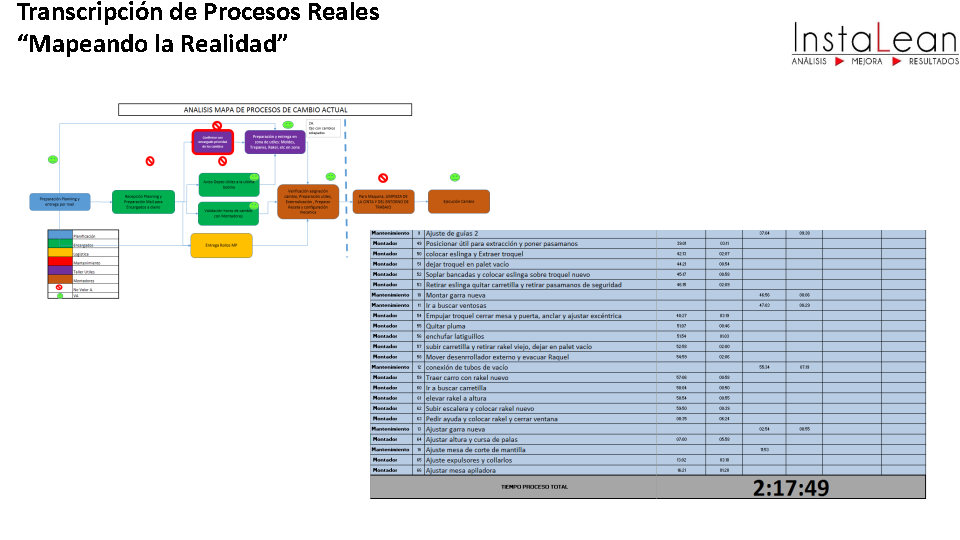
Shift change observation (example):
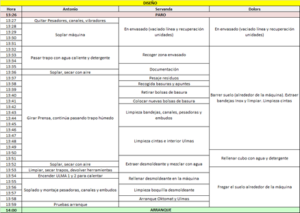
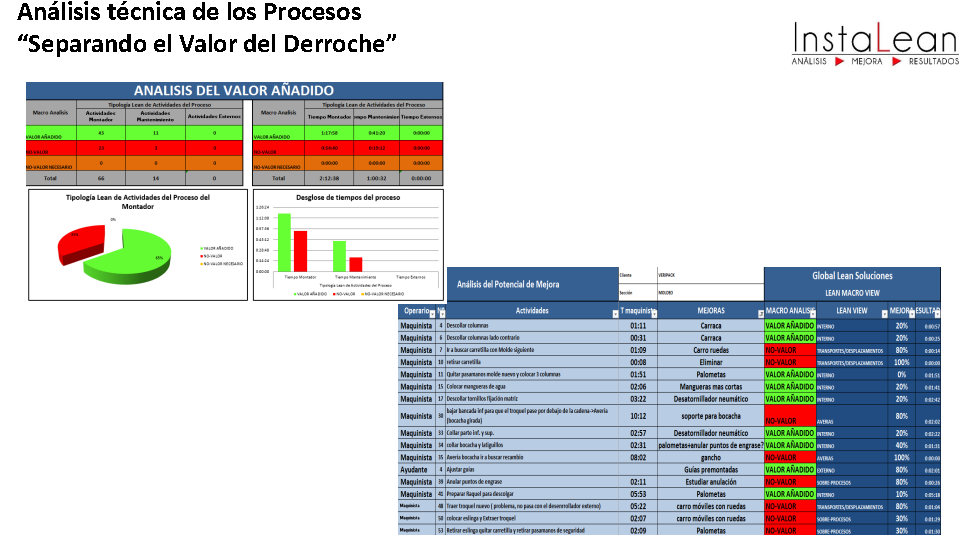
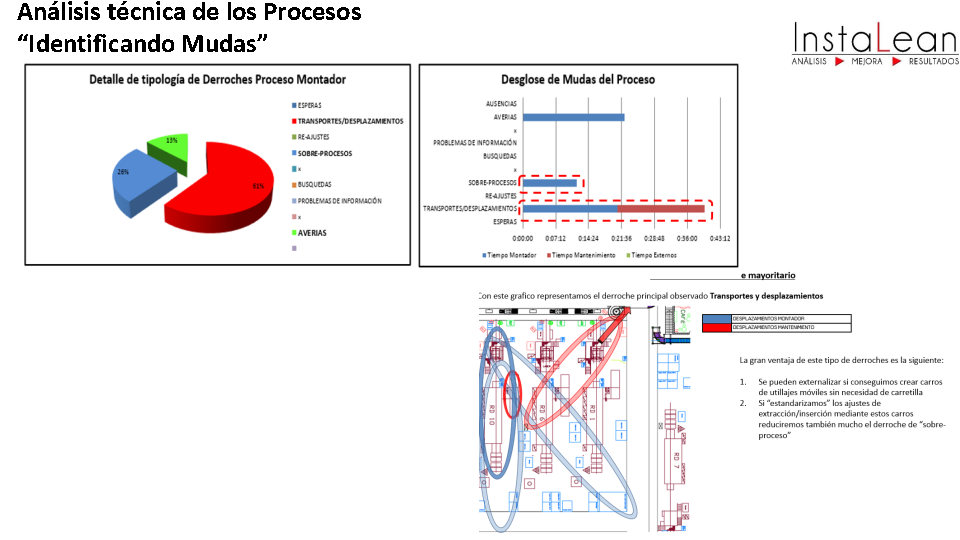
In red: non-value-added operations

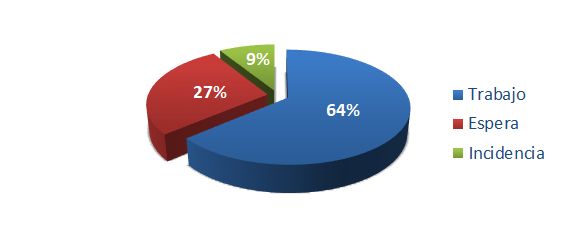
Time allocation:

Design optimal observation procedure

Brainstorming & Brownpaper
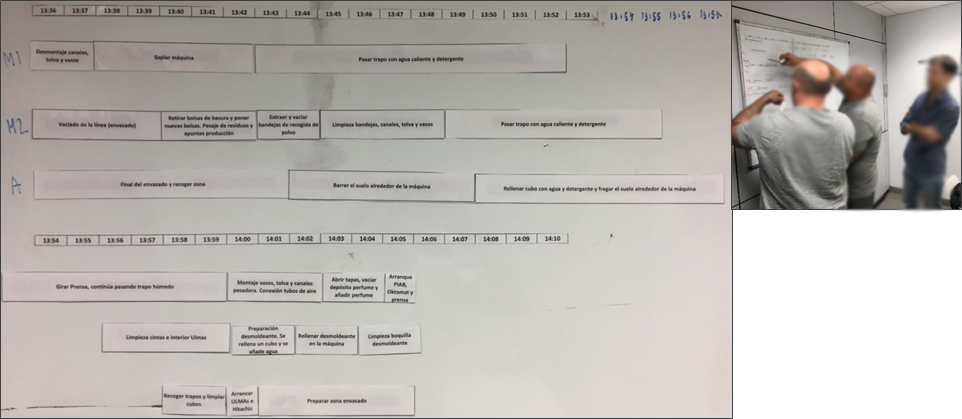
FIRST VERSION OF INSTALEAN
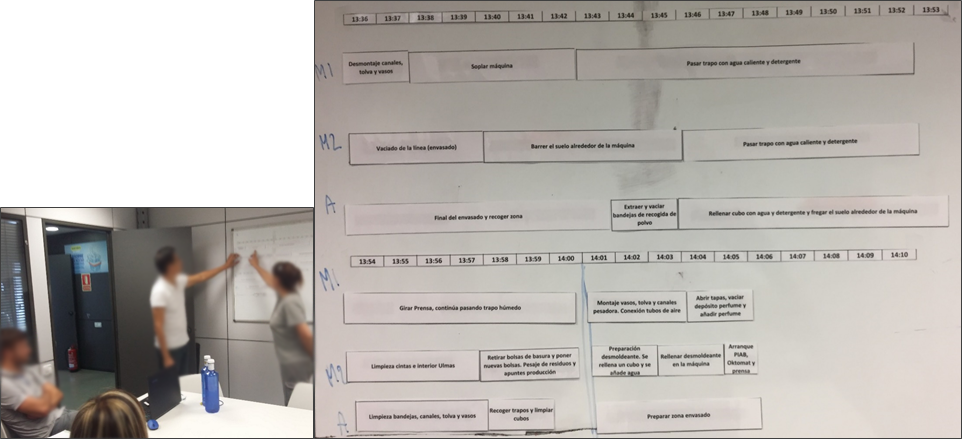
VERSION AFTER THE WORKSHOP

Procedure design

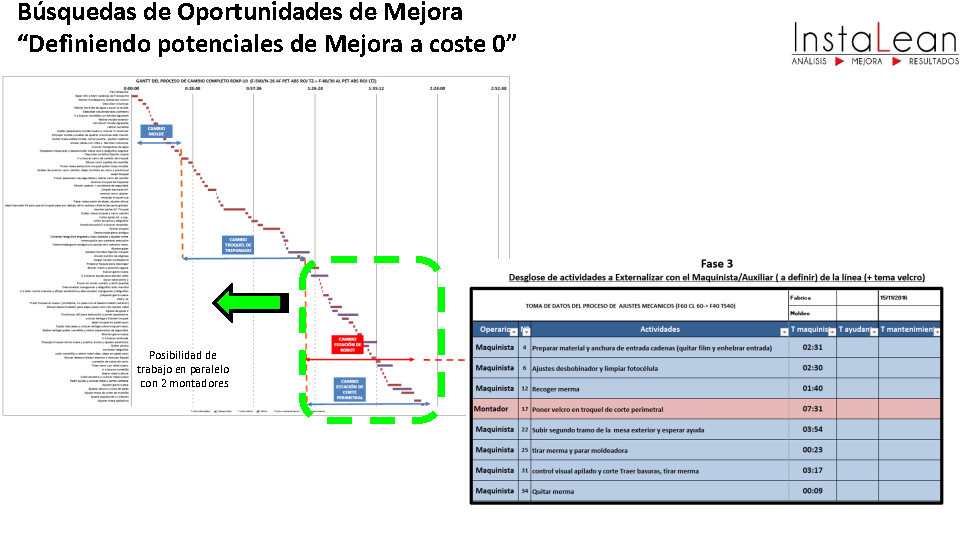
Gantt (simplified):

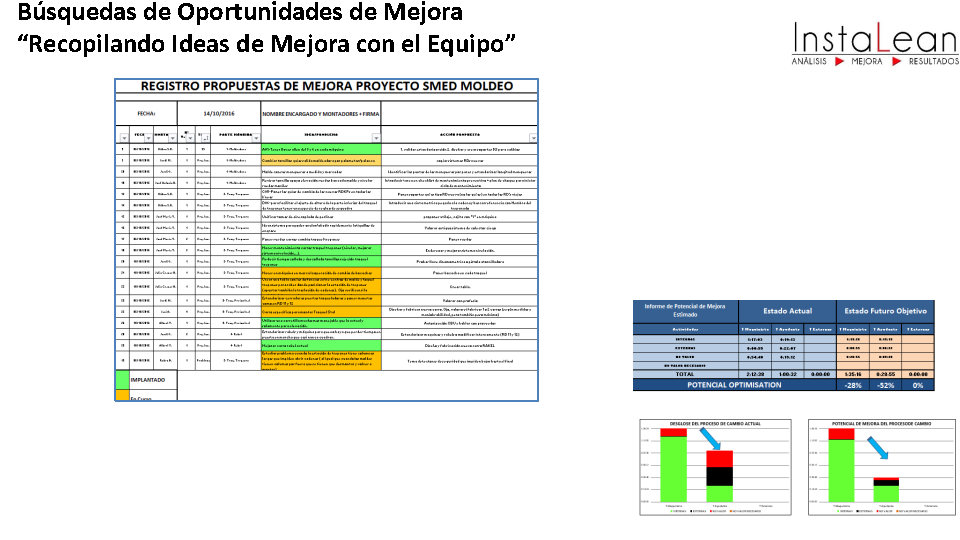
Requirements and suggestions for improvement:

  • 3 people trained to meet the defined standard
  • Task allocation and operator balancing
  • Outsourcing tasks with the machine running
  • Definition of cleaning frequencies during the shift
  • Recovery of units during the shift
  • 5S solutions adapted to the shift change process
  • Proposal for improving existing tools and utensils
  • Control and monitoring of times

Standard operations sheet
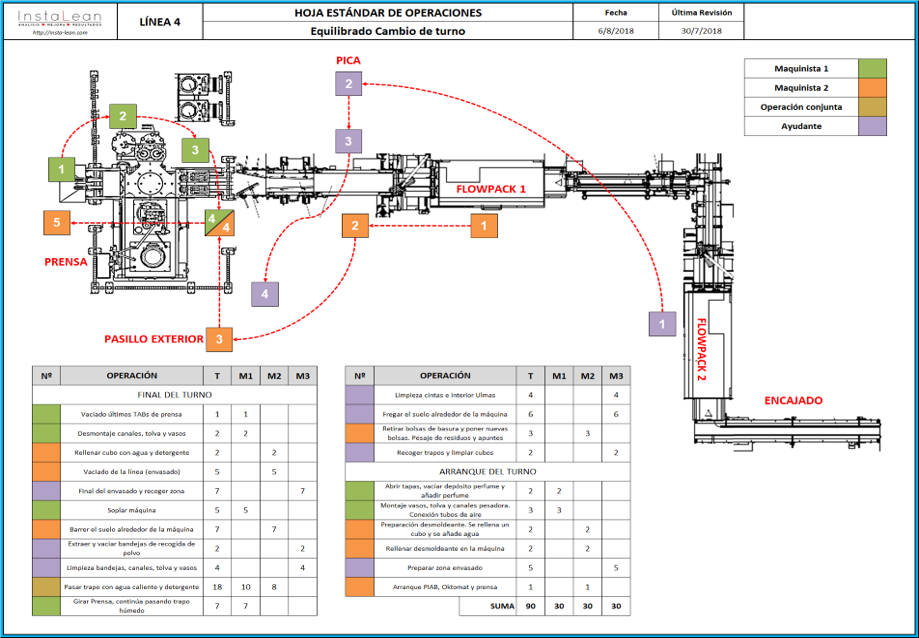
Implementation and adjustments

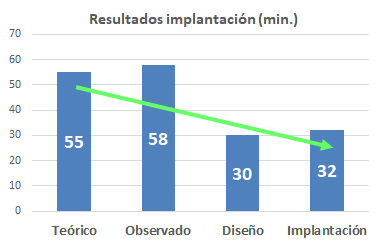
Measuring implementation times:
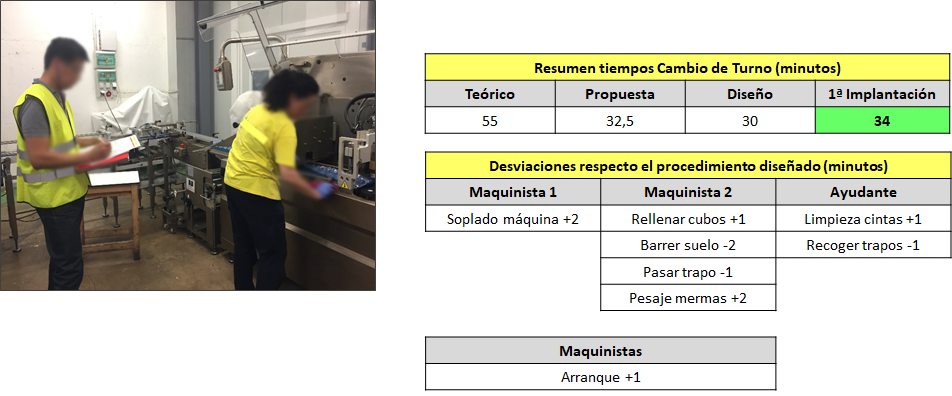
Monitoring results

Monitoring implementation times:
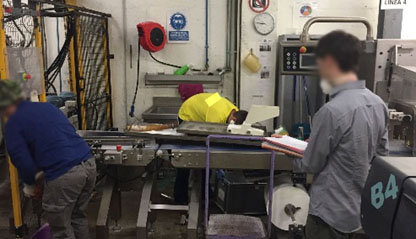
Monitoring plant times:

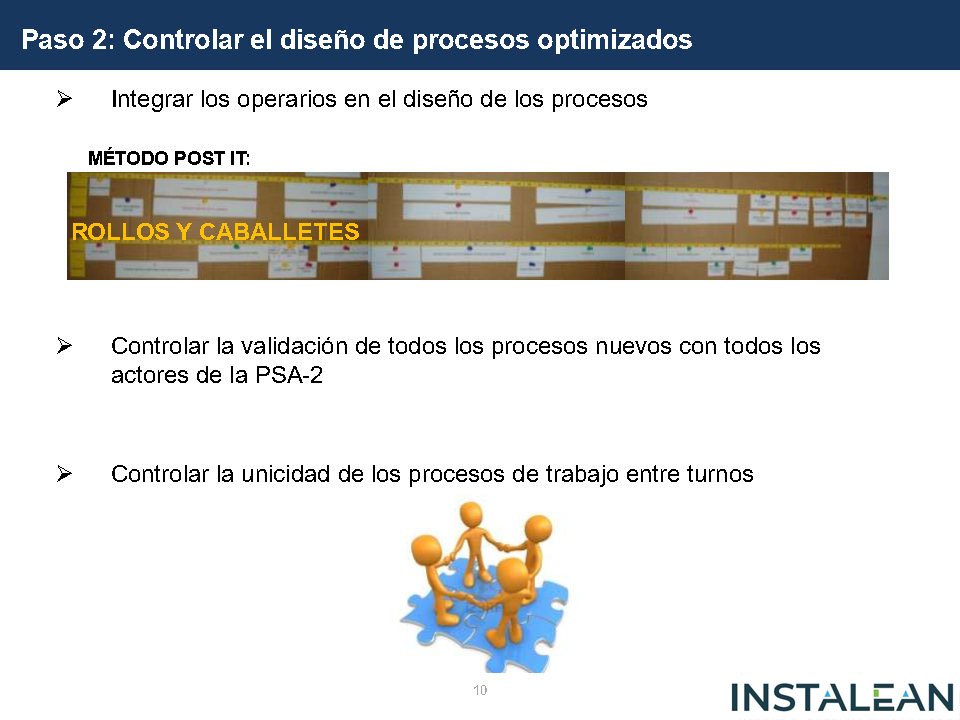
Self-control by the operators
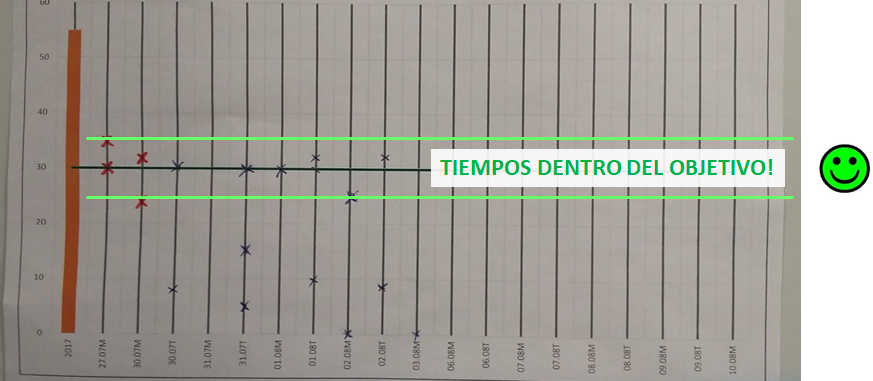
Efficiency Control line of study

Increased efficiency:

Reducing shift change time has a direct and immediate impact on line OEE:
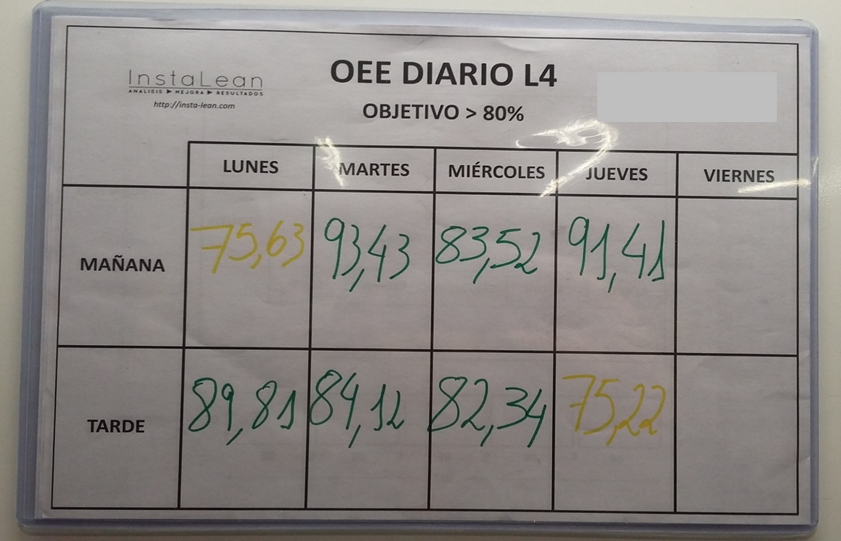
Evolution of efficiency line of study

Increased efficiency:
SMED Continuous Industry

Planning Summary / Resources / Objectives

Key Project Objectives

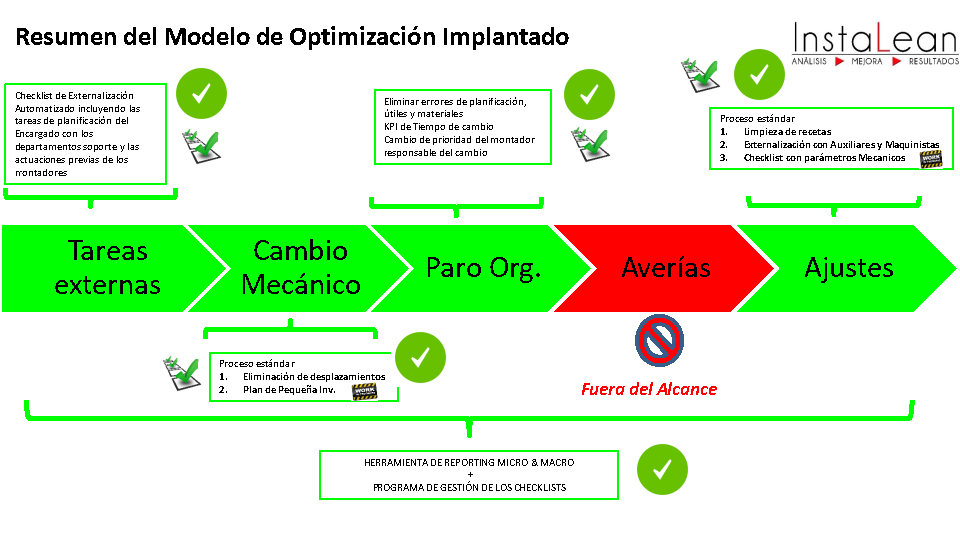
  • To make change processes more flexible with the aim of reducing the plant's lead time in its strategic product line.
  • Train staff on continuous improvement concepts & Involve staff in every stage of the re-engineering process of change
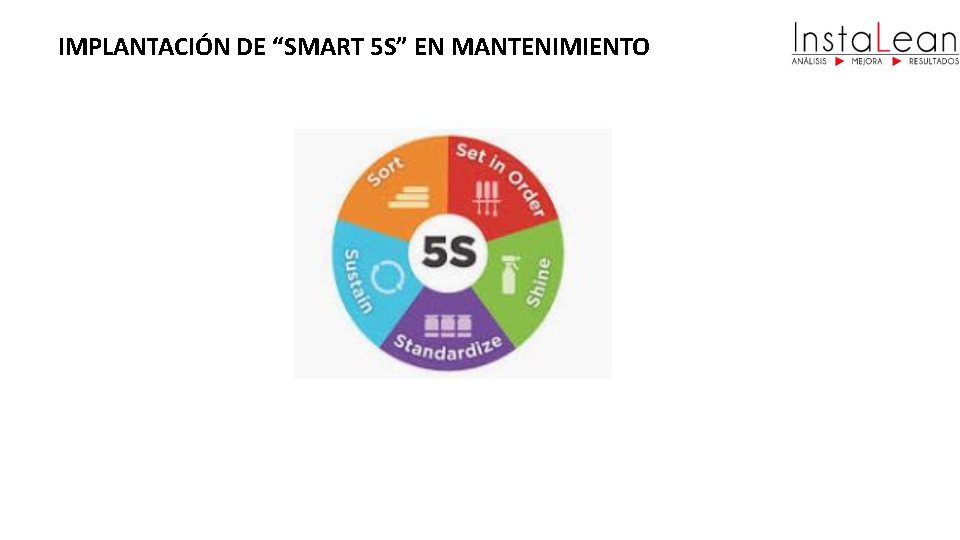
  • Introduce the concepts of 5S, Ergonomics, SMED and Parallel Work
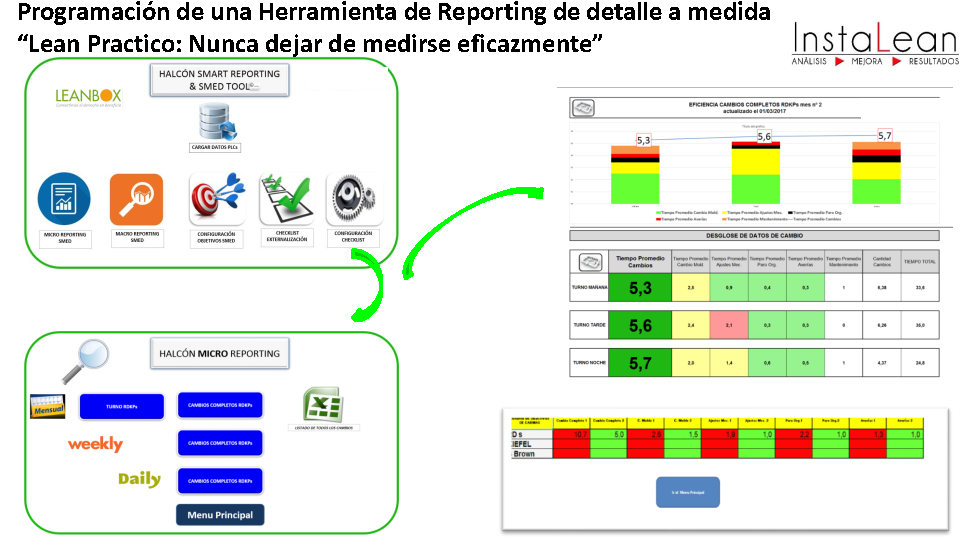
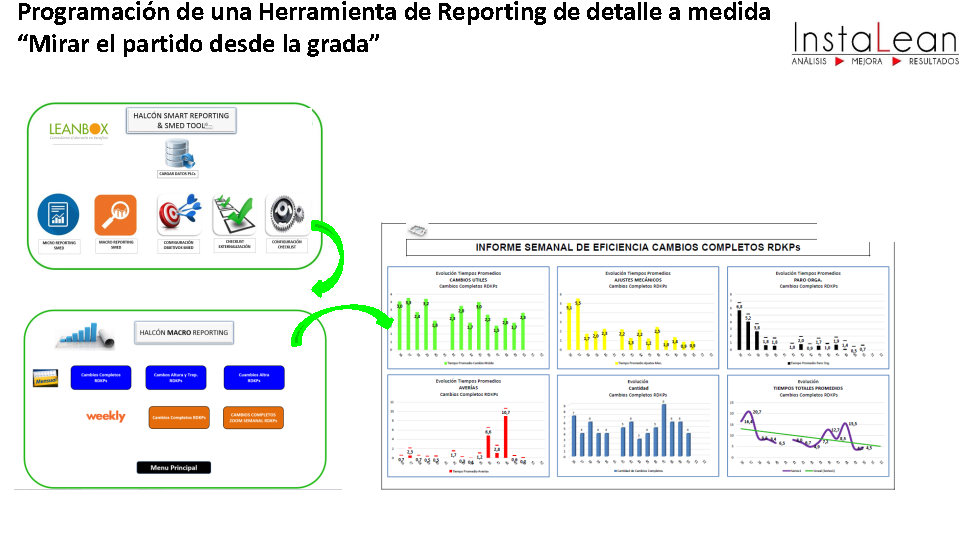
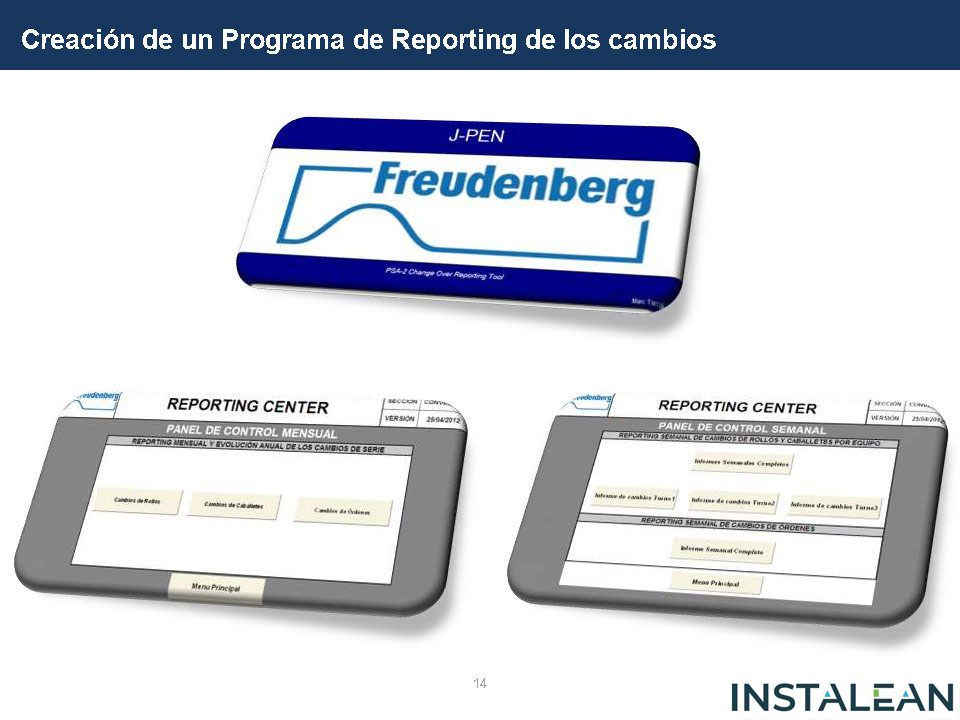
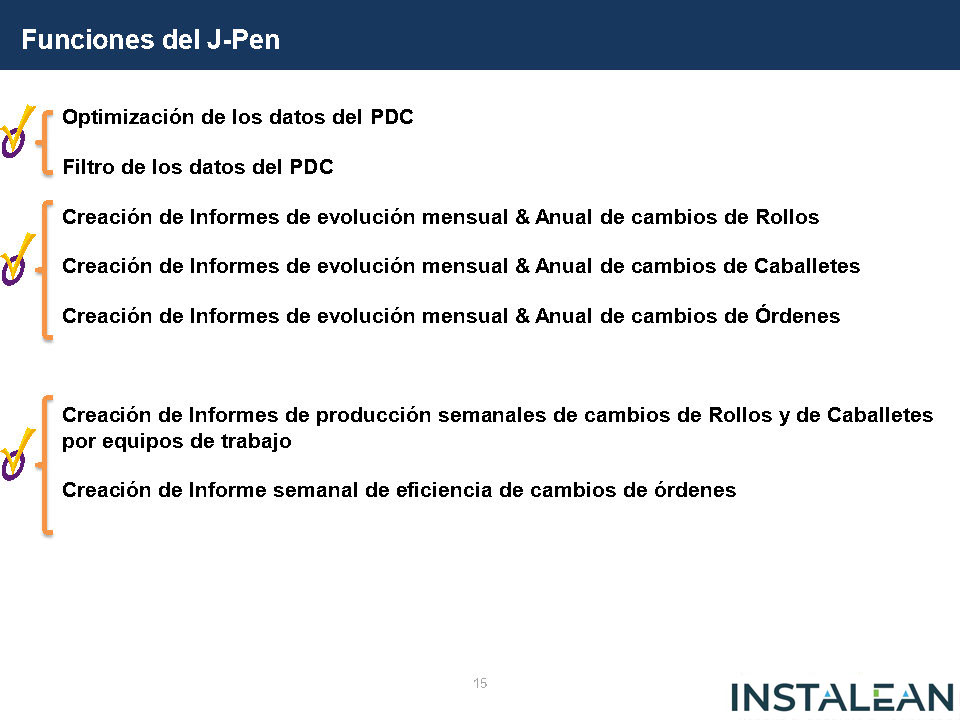
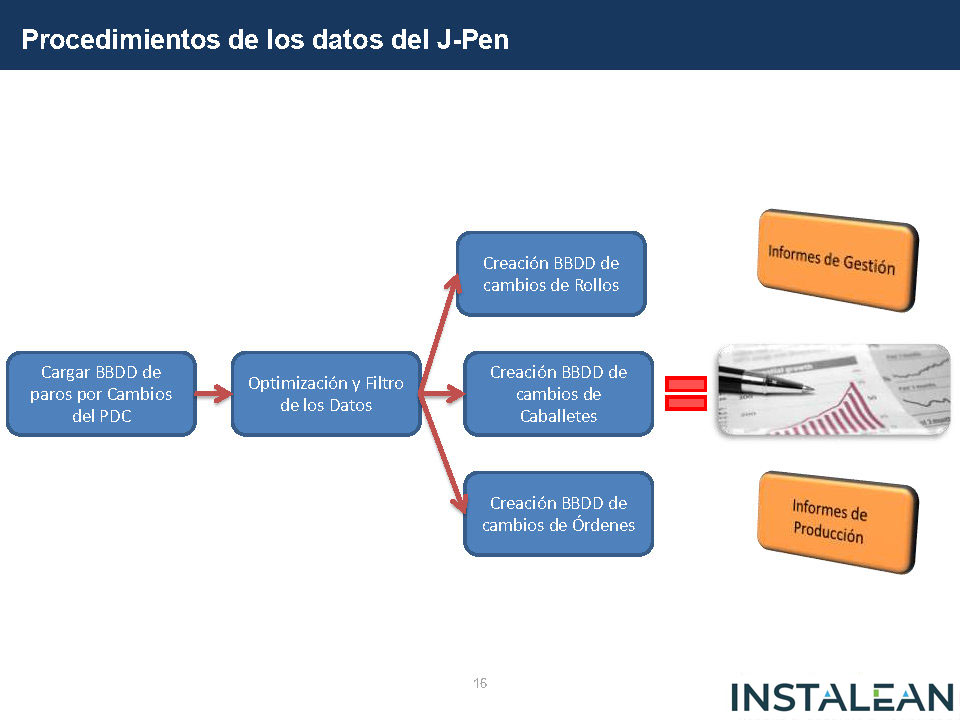
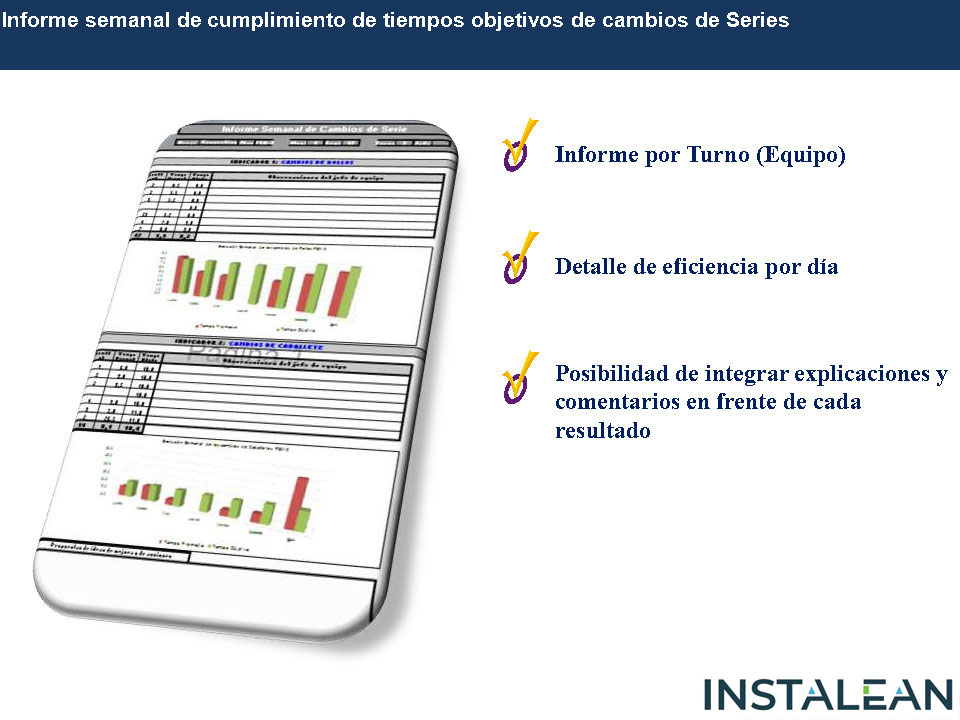
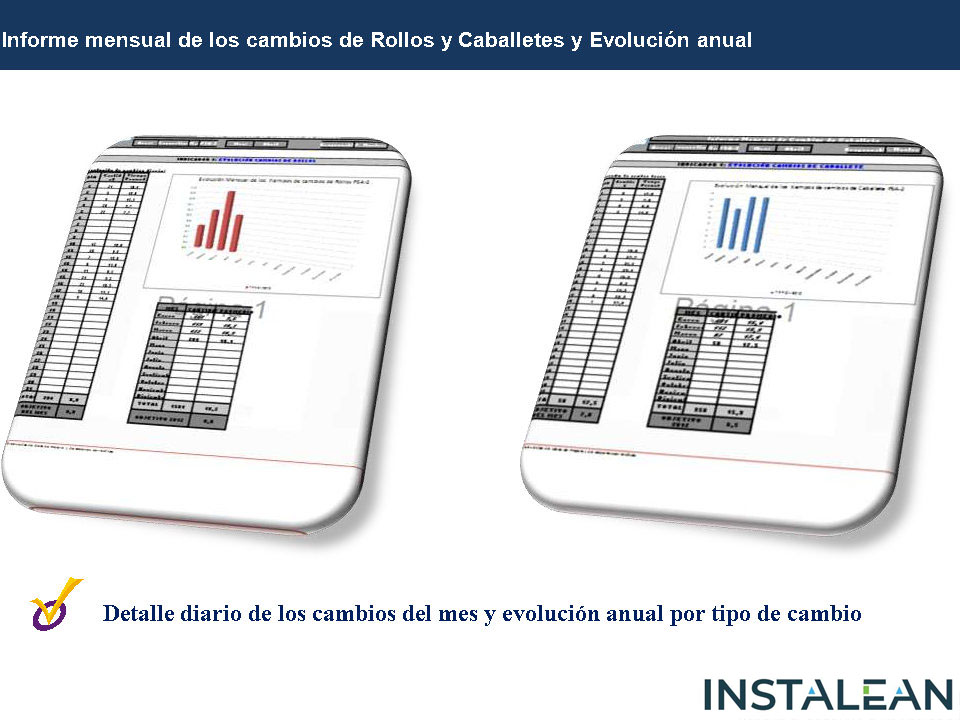
  • Create a reporting program that allows you to store and monitor the results.
  • Form an internal team for the management & execution of SMED projects

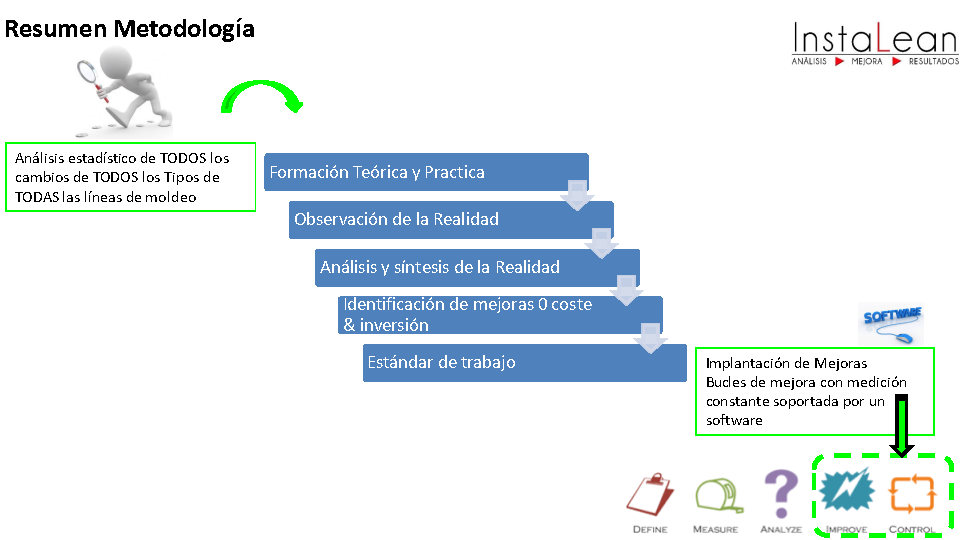
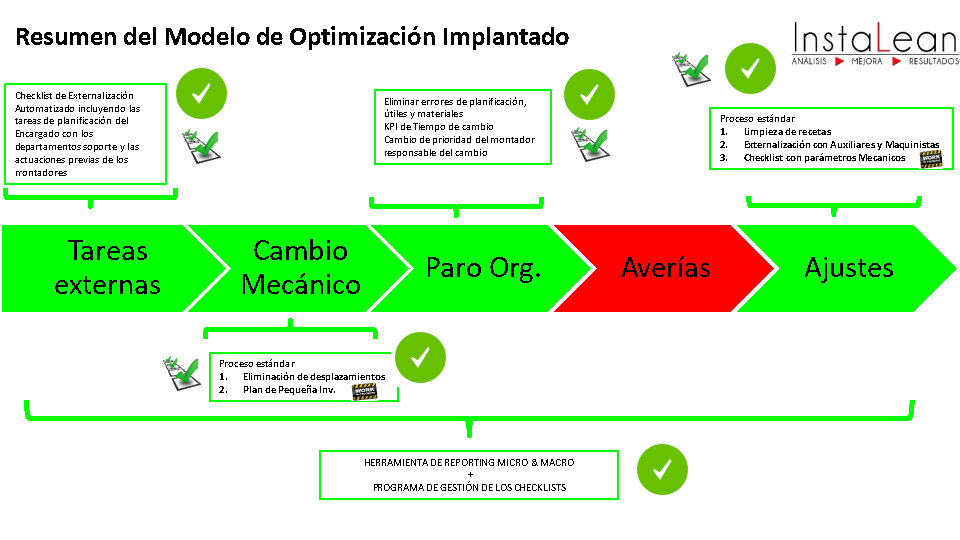
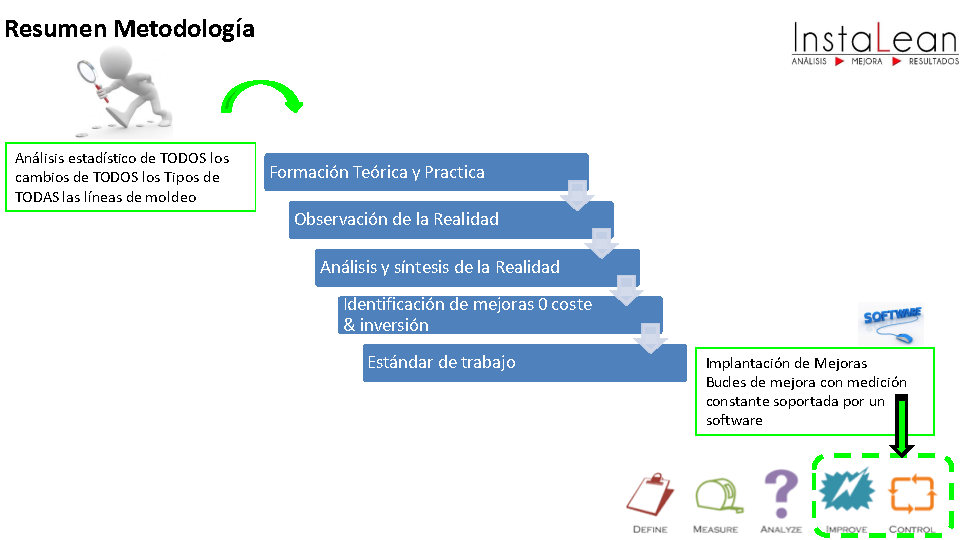
Methodology & Action Summary in 7 Steps

Step 1: Educate to change / open minds

Step 2: Classify / Eliminate variability

2.1 Define the Key Products

Reduction from 25 to 20 Key Products by eliminating products with low or zero production levels in 2012.

2.2 Create Change Class Matrix

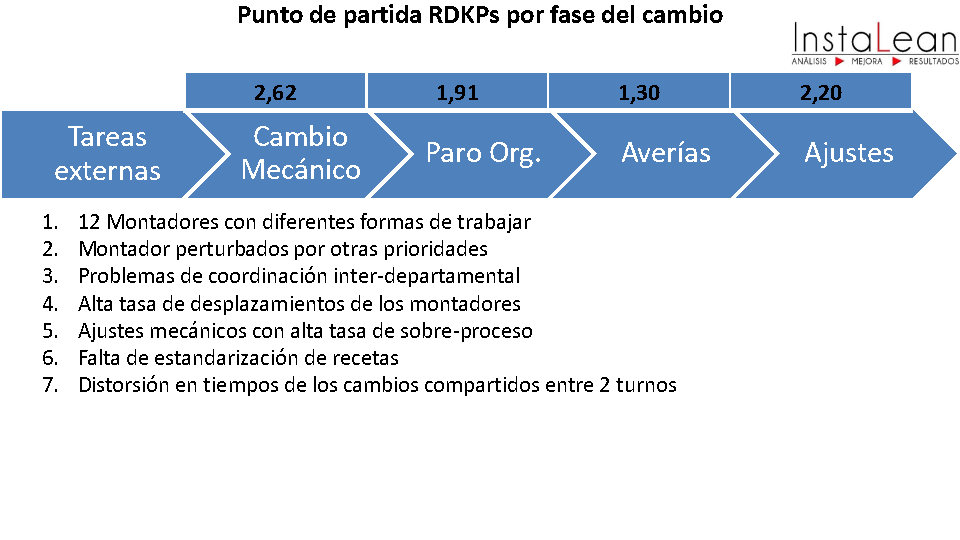
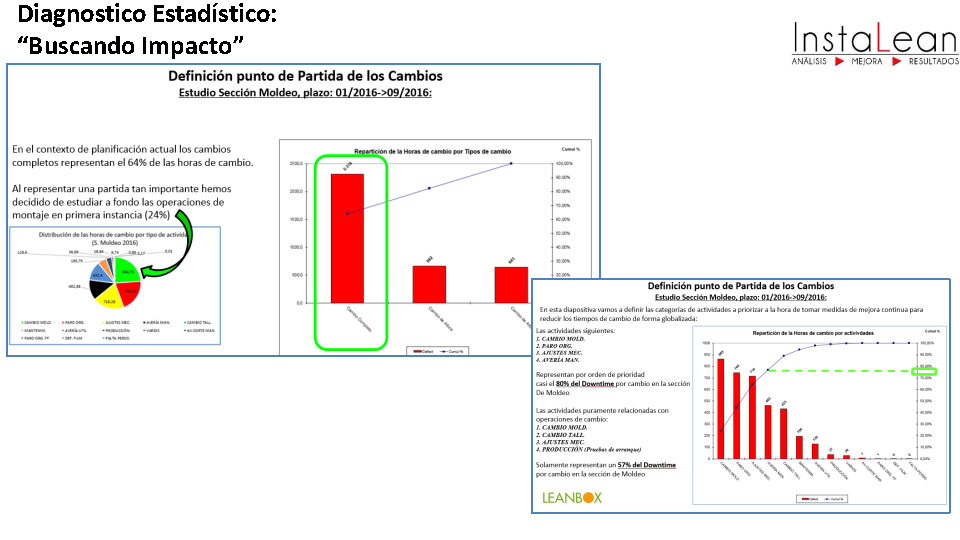
Step 3: Define the Starting Point: Where are we?

Step 4: Improve the work environment

Step 5: Democratic Re-Engineering

Step 6: Monitor & Capitalize on Improvements

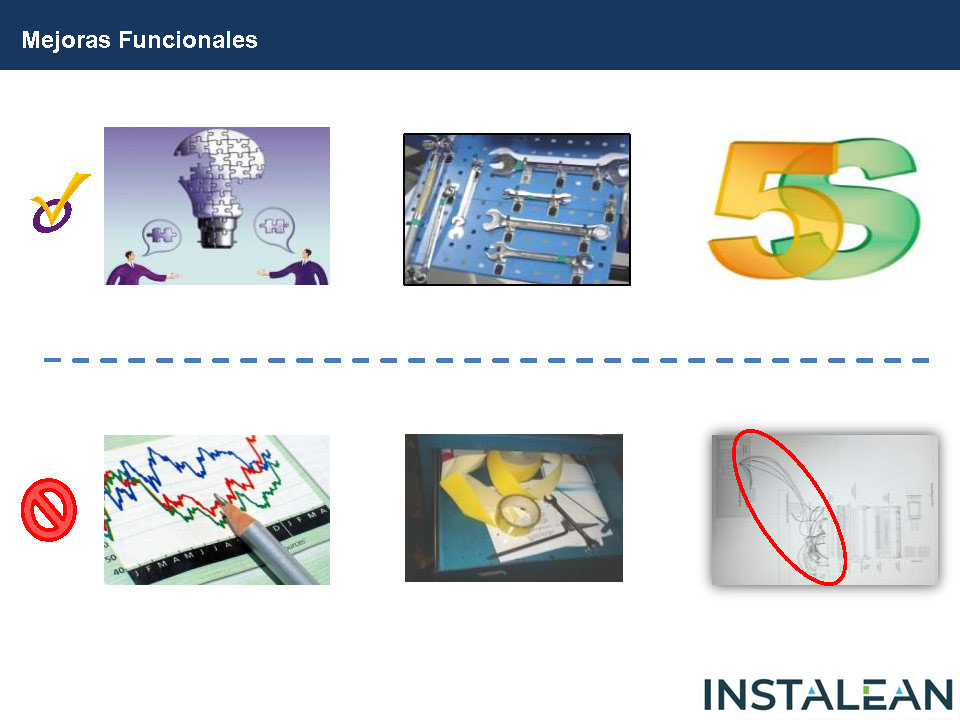
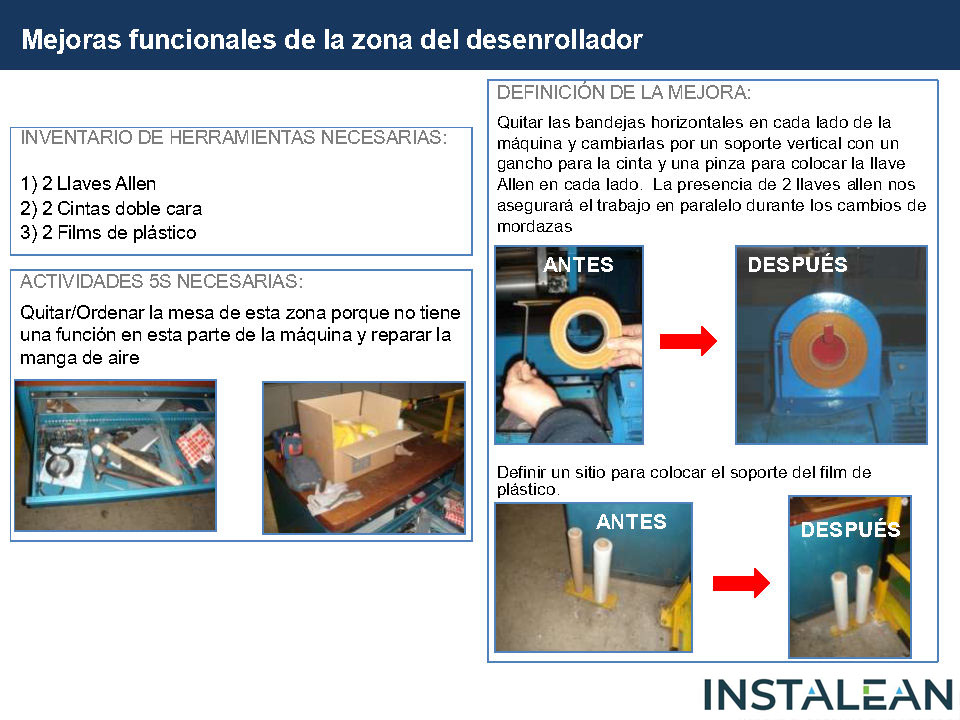
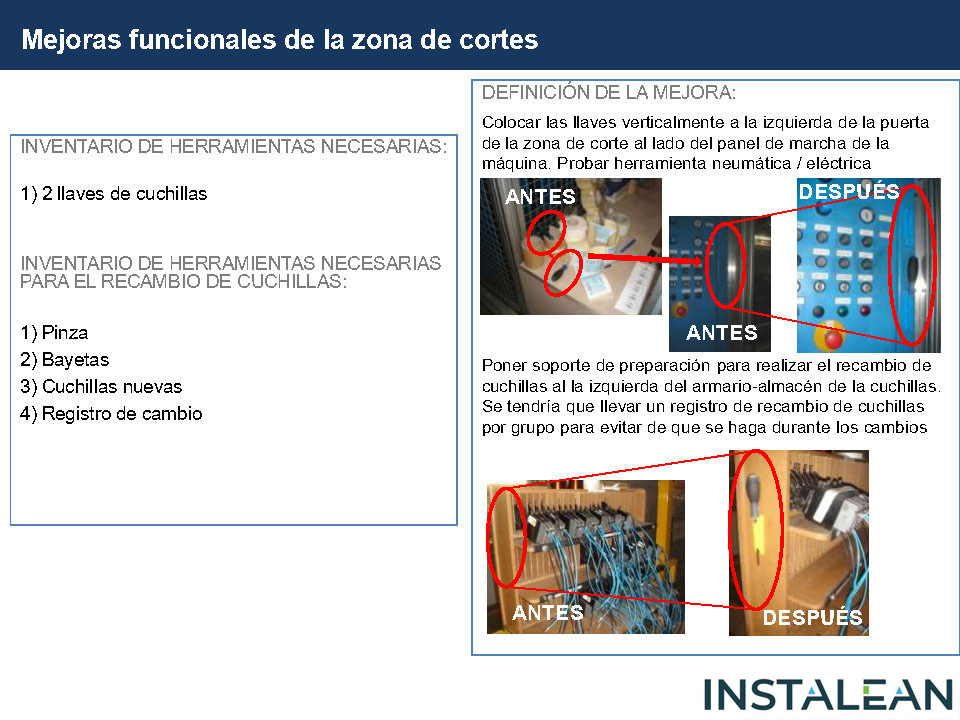
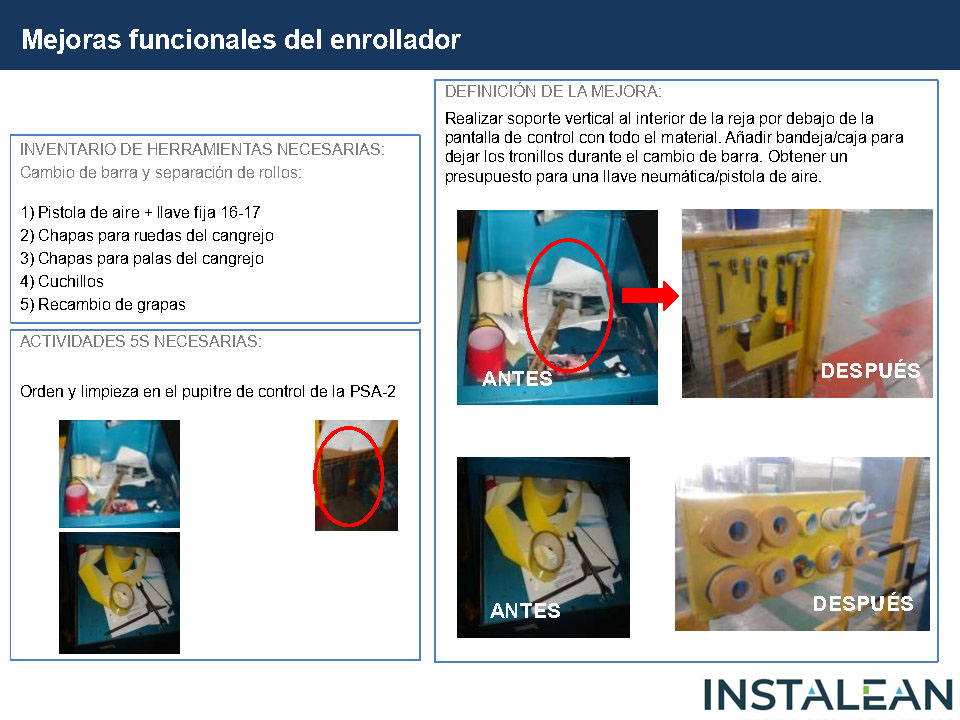
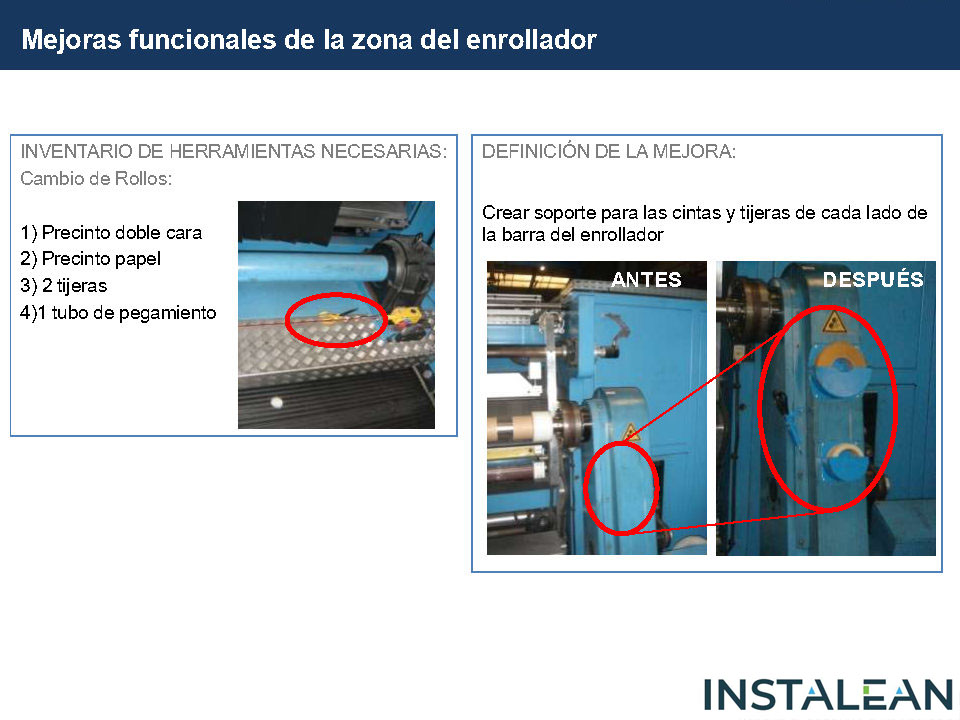
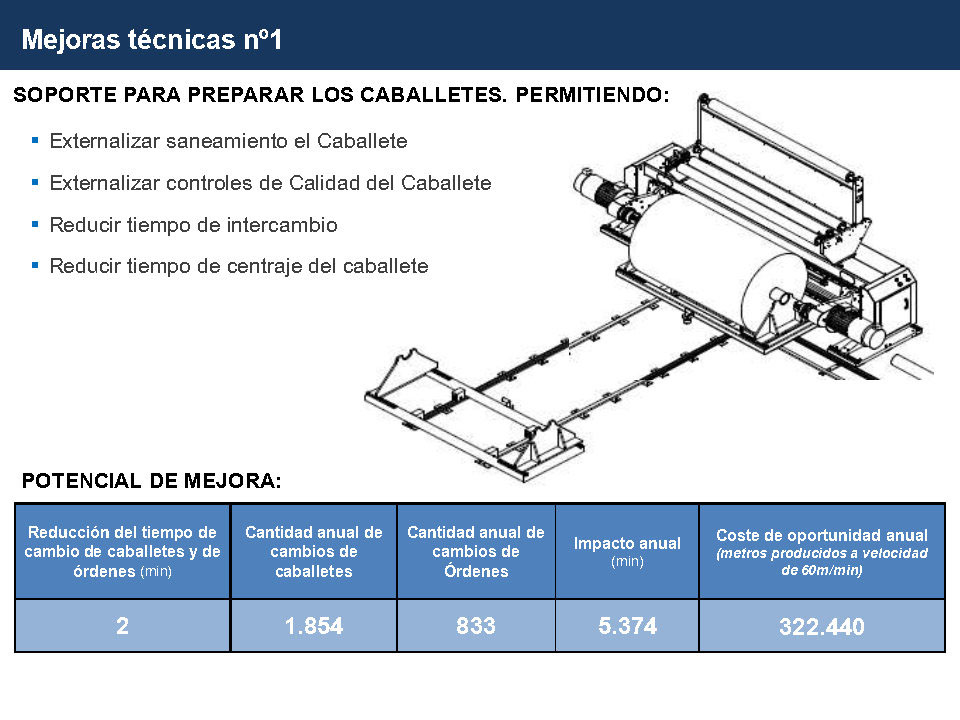
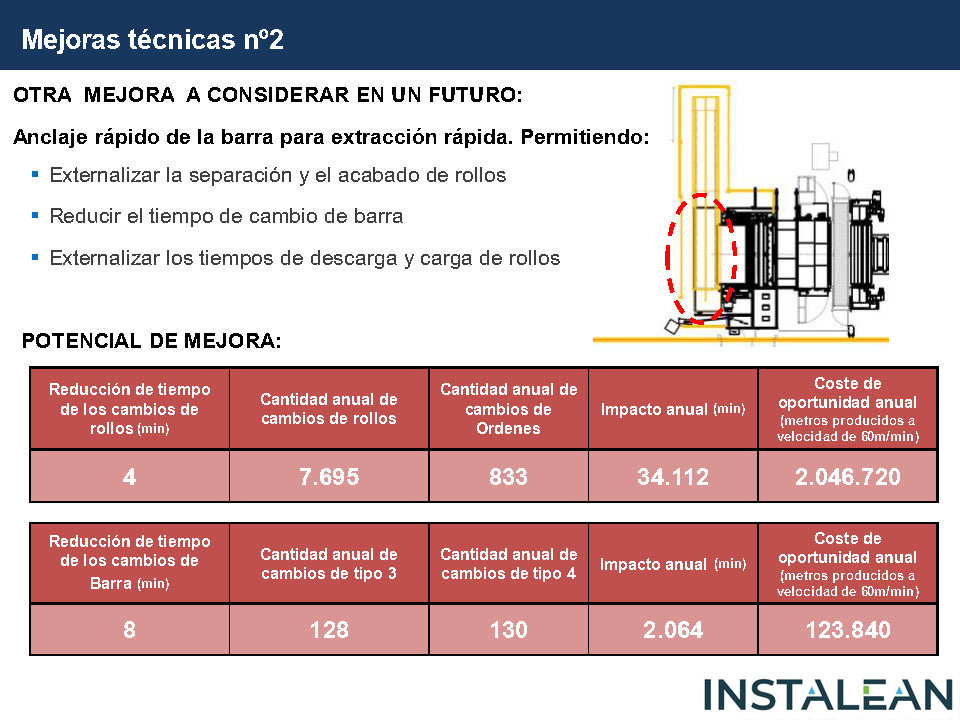
Step 7: Technical & Functional Improvements

  1. Elimination of the need for “Sprays” & Independence with Maintenance
  2. Mechanical Improvement of the Villars Machine
  3. Electrical Upgrade of the Villars Machine

Lean Change C2 Observations: White ->

  1. Creation of a dust deviation control program & Independence with production managers
  2. Control of those in charge through Reporting
  3. Control of those in charge through supervision of external tasks

Lean Change C2 Observations: White->White with Spray: 54 minutes
 

White with Spray

Process Re-Engineering Summary

Number of optimized processes

  • 66% of the changes observed, defined and optimized
  • 34% of the improved changes
  • Process Re-Engineering Summary

    Output1Output2Output3
    C1Previous External TasksWork sequence with 2 PAXExternal tasks post-change
    C2Previous External TasksWork sequence with 2 PAXExternal tasks post-change
    C3Previous External TasksWork sequence with 2 PAXExternal tasks post-change
    C4Previous External TasksWork sequence with 2 PAXExternal tasks post-change
    C5Previous External TasksWork sequence with 2 PAXExternal tasks post-change
    C6Previous External TasksWork sequence with 2 PAXExternal tasks post-change

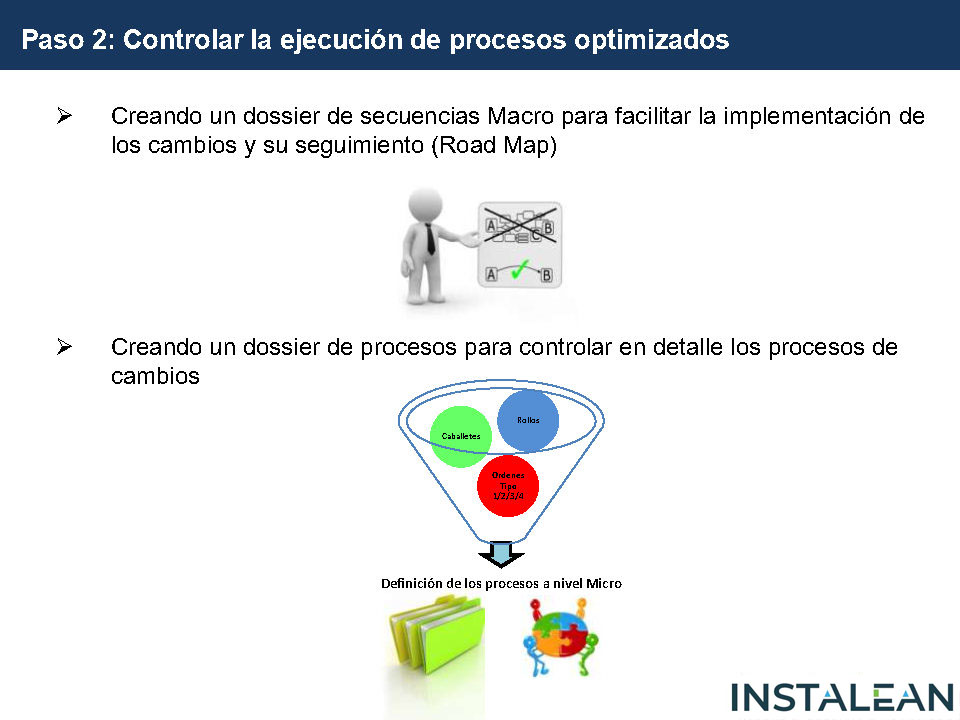
    Process dossier

Summary of Actions Taken & Pending

5S Actions: Order / Cleanliness / Safety
StateCompliance%
Plan28100%
EARRINGS1760%
 Act / Implemented519%
Discarded621%

7S Actions: Ergonomics / Displacements

StateCompliance%
Plan52100%
EARRINGS510%
 Act / Implemented3975%
Discarded815%

Organizational Actions

  • Creation of the process dossier
  • Operator training
  • Definition of external work
  • Definition of Objectives

Functional Actions

  • Creation of the powder weight program
  • Training of those in charge
  • Creation of communication & reporting panels

Pending points


Using the powder weight program:

Control of actual weight deviation vs. target / Tray weight deviation / Digital adjustment

Outsourcing the assistant's work:

Having an additional easel for the start of production

Project Results

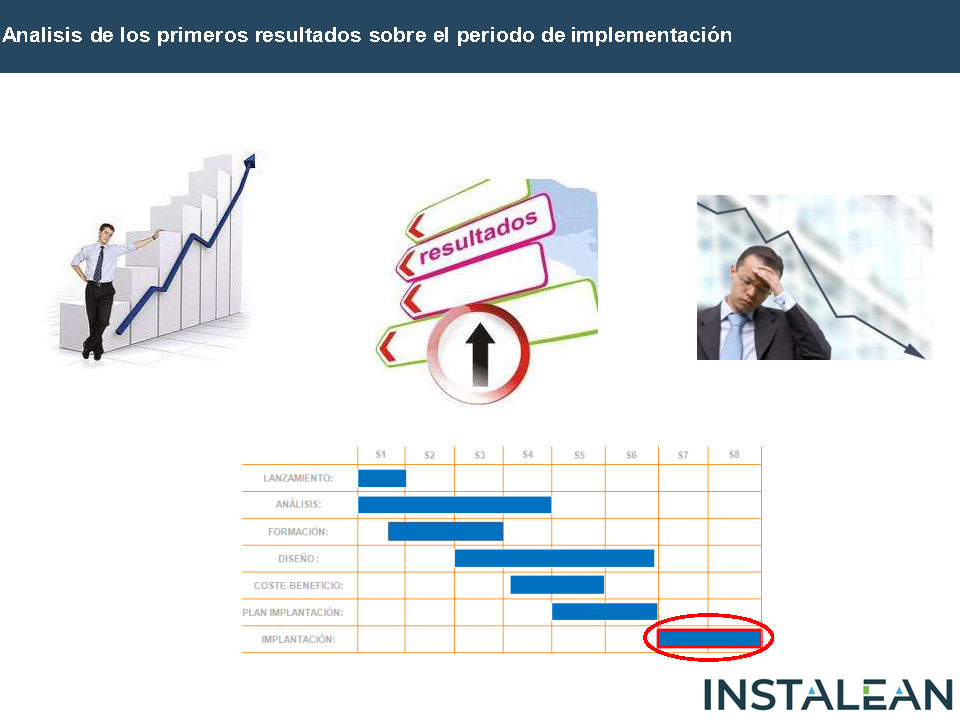
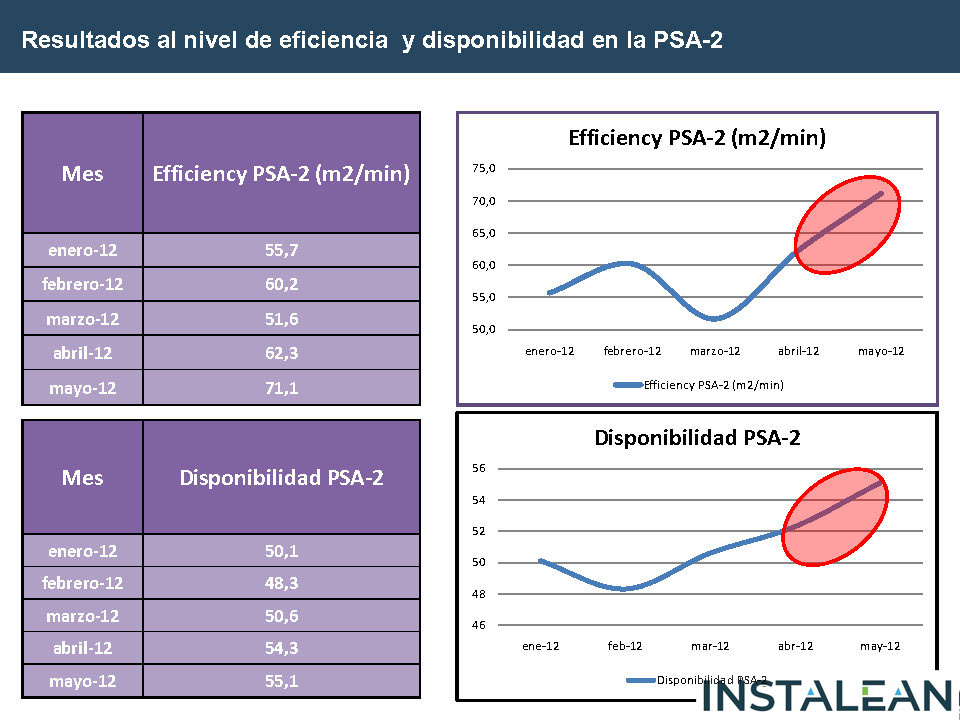
Analysis of the initial results regarding the implementation period

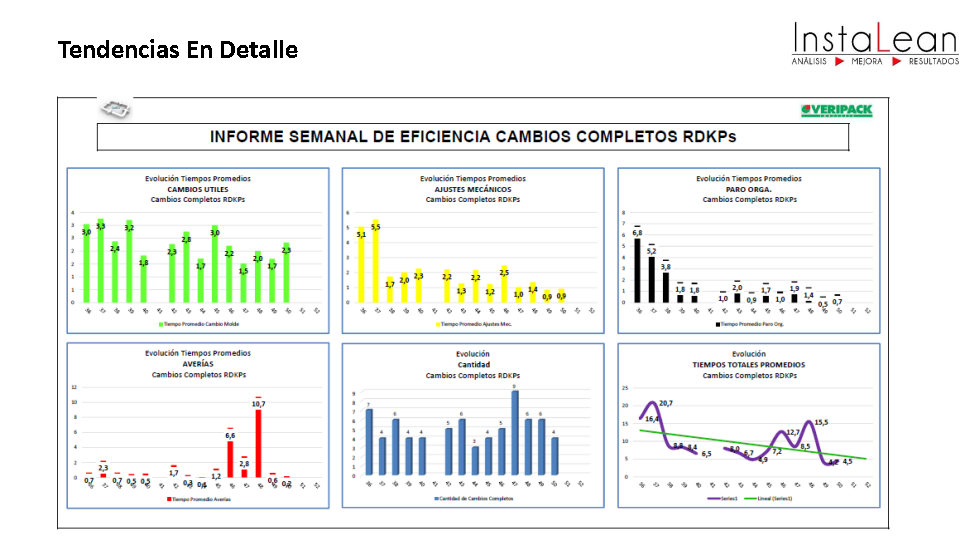
Coating Trends 2012 1


Evolution of changes C1 White->White

Short-term objectives for the C2 White->White Bi-Co changes.

Short-term objectives for the C3 White->White with Film changes

Short-term objectives for the C5 Black->Black changes

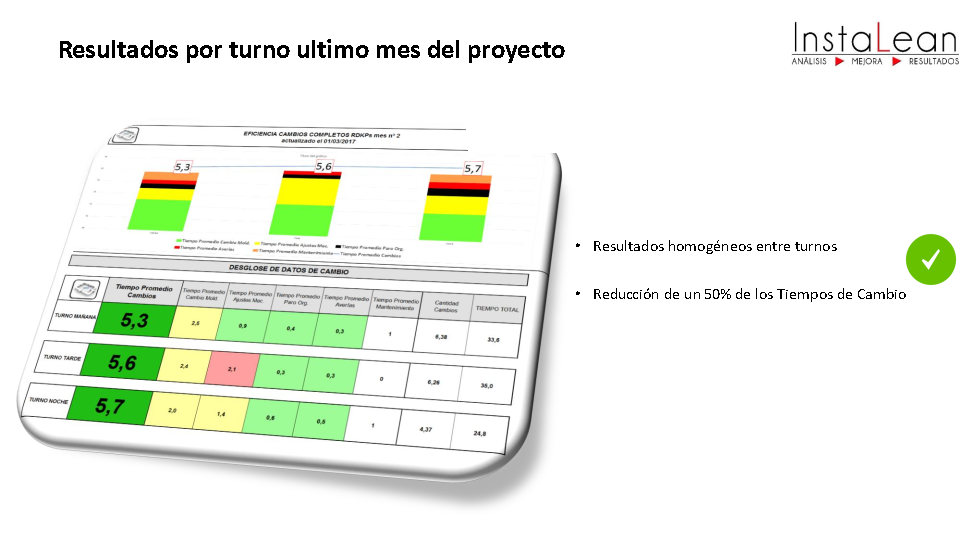
Summary of Results FROM 2/01/2013 TO 17/01/2013

Coating Efficiency January 2013

Short-term future

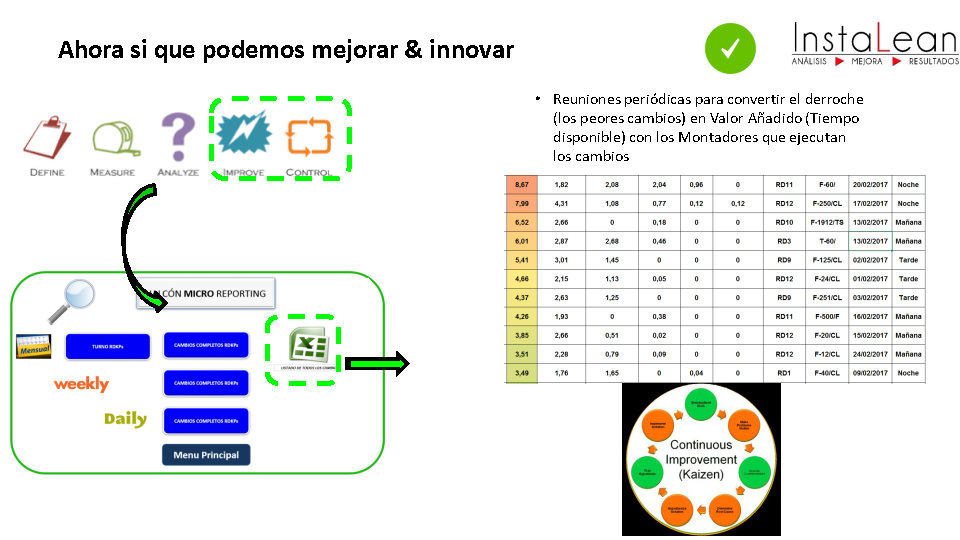
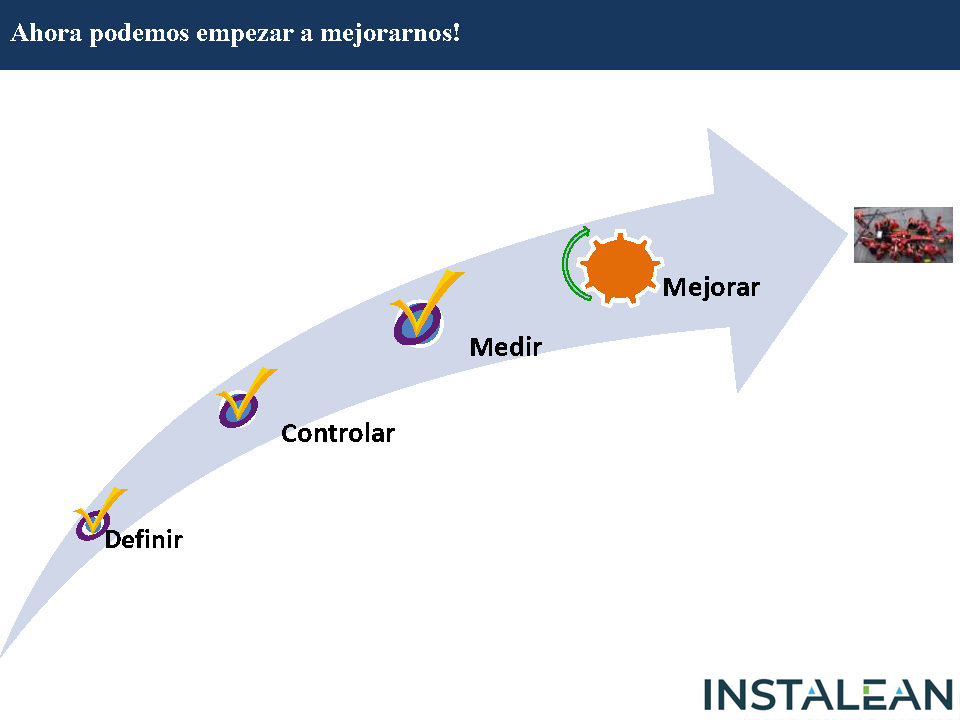
Now we can start improving!

Improvements applicable to all changes

Monitoring Results / Supporting and Motivating Operators

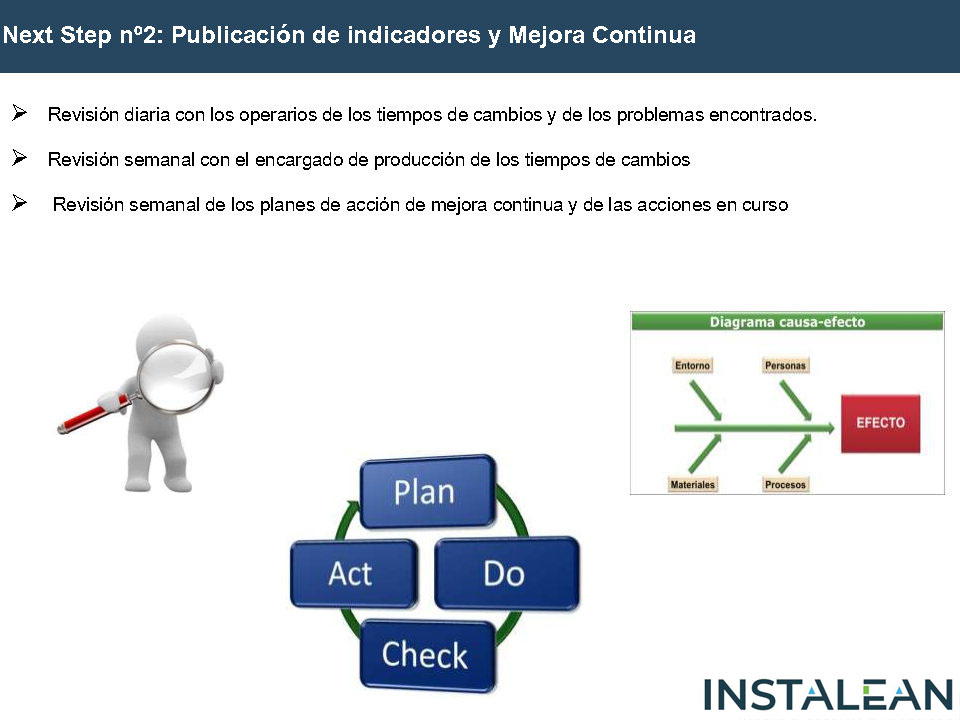
  • Daily review with the operators of changeover times and problems encountered.
  • Weekly review with the production manager of changeover times.
  • Weekly review of continuous improvement action plans and ongoing actions

Other opportunities for improvement

Quality controls

Today, during each type change, we have several sources of waste due to the current strict quality control process:

  • Allow uninterrupted production in cases where the production preparation process is controlled
  • Analyze uncontrolled production preparation processes
  • Having a quality control indicator on the production line

Evaluation of potential material savings with a process change
production start-up