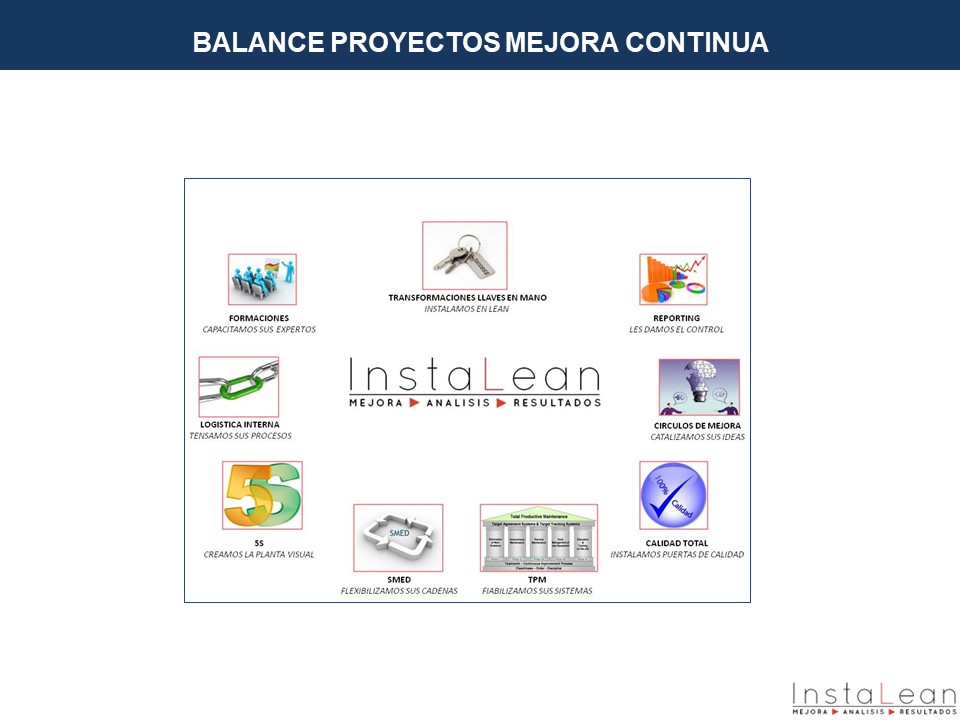
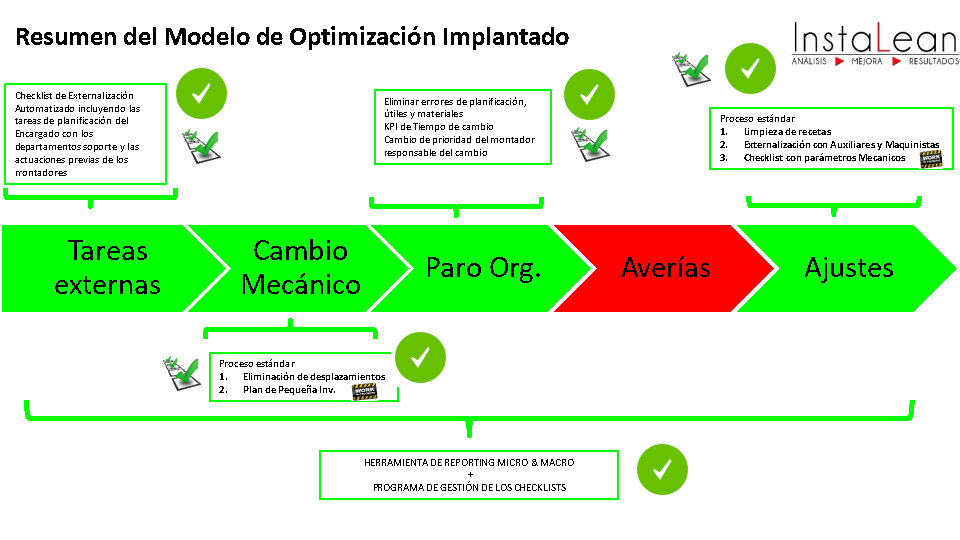
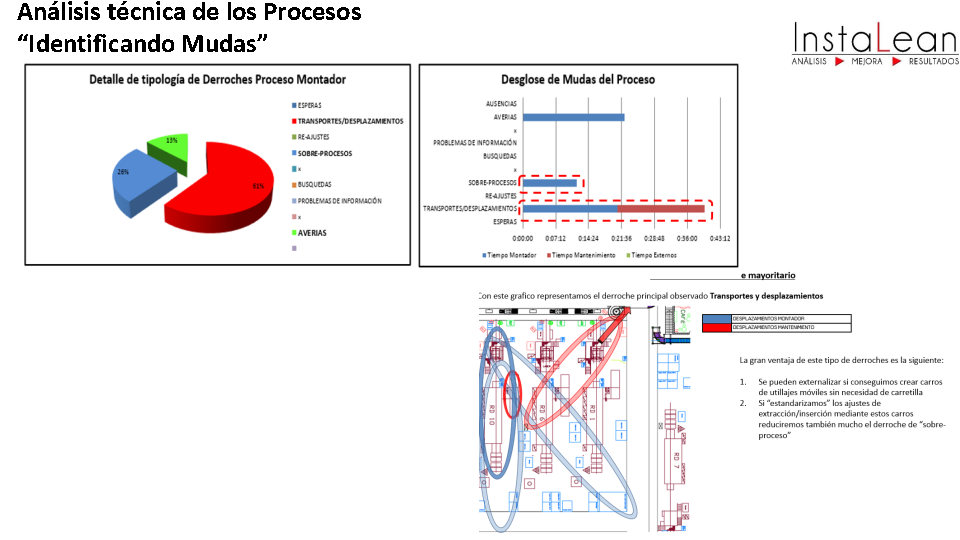
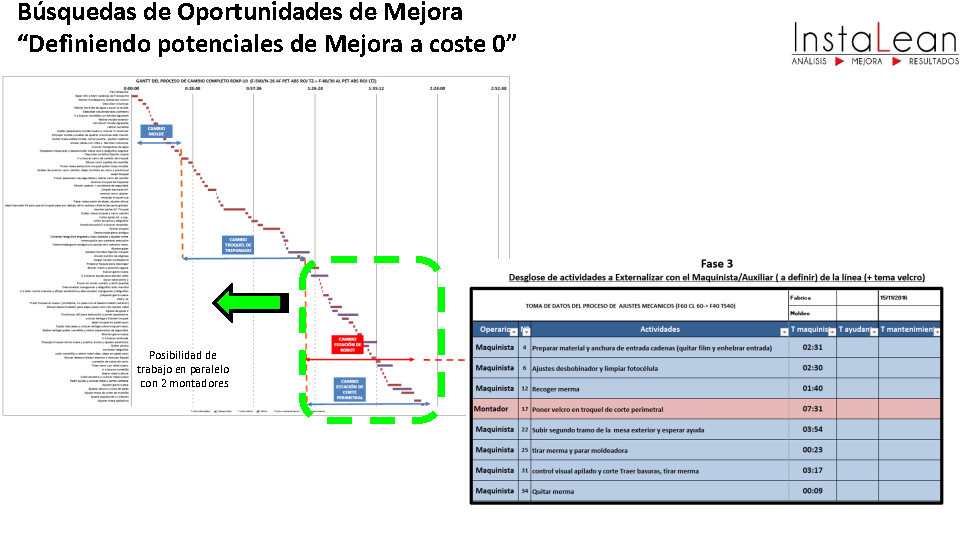
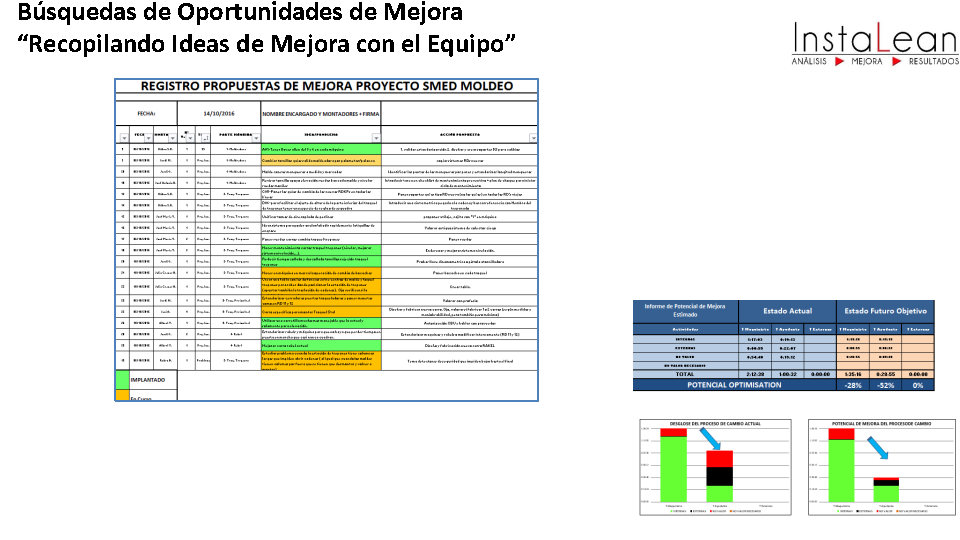
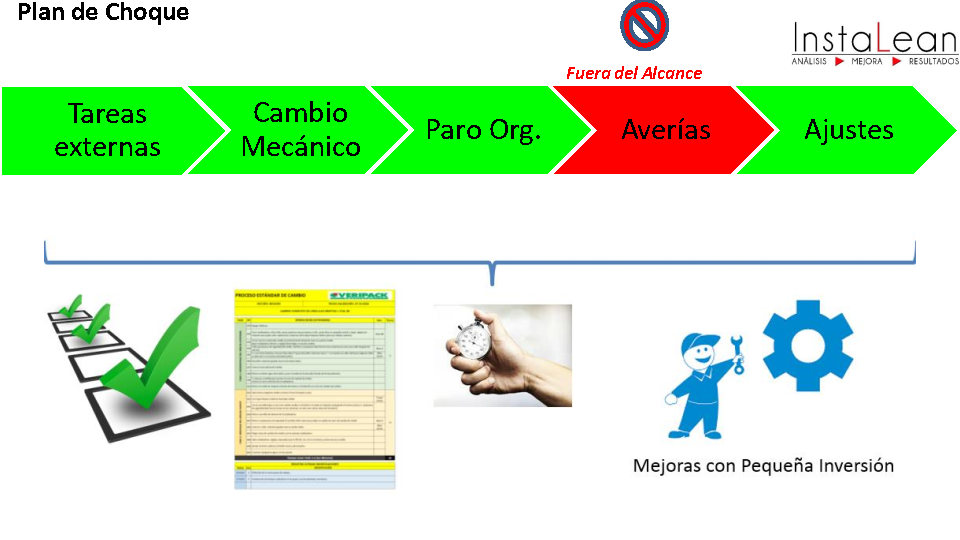
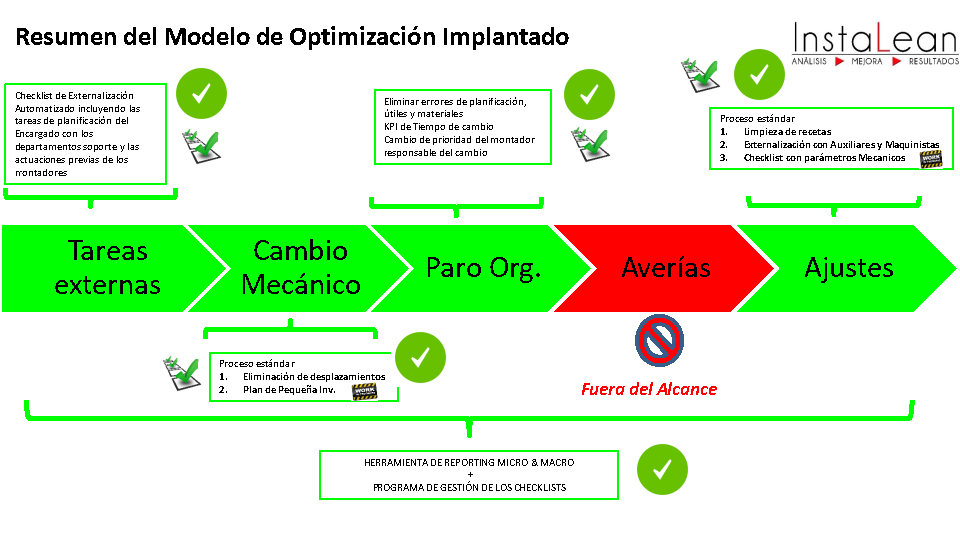
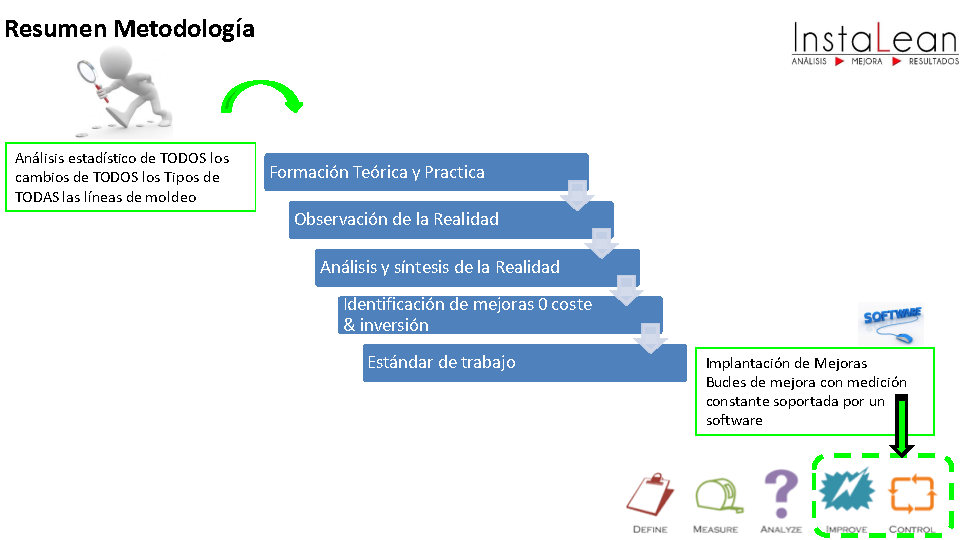
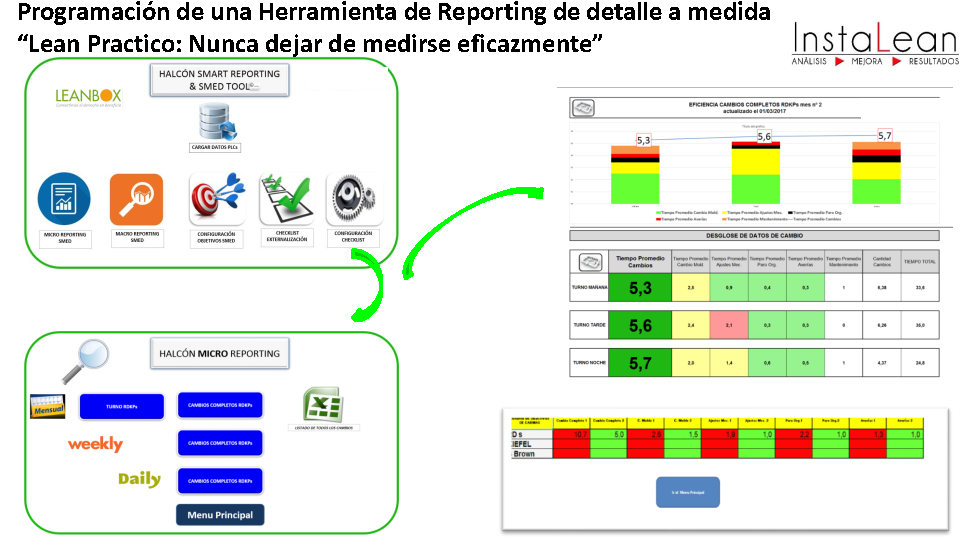
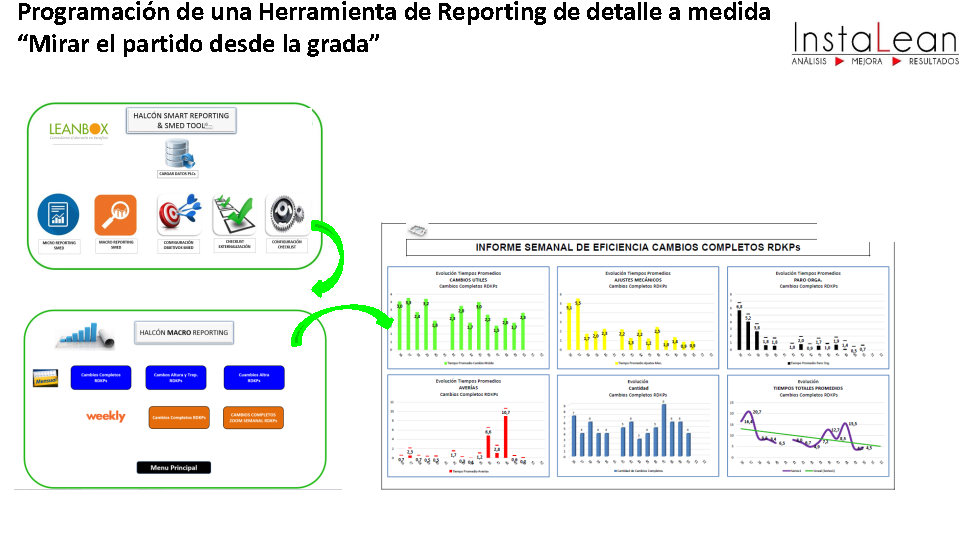
SMED Continuous Industry
Planning Summary / Resources / Objectives
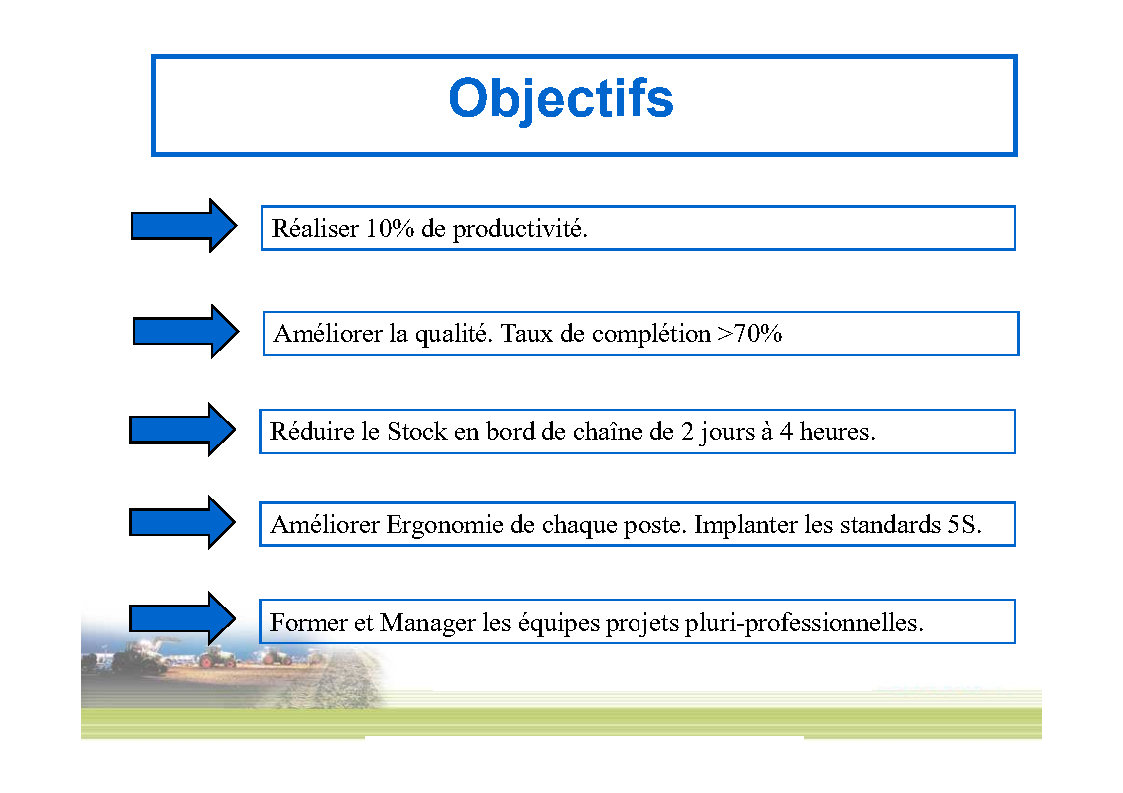
Key Project Objectives
- To make change processes more flexible with the aim of reducing the plant's lead time in its strategic product line.
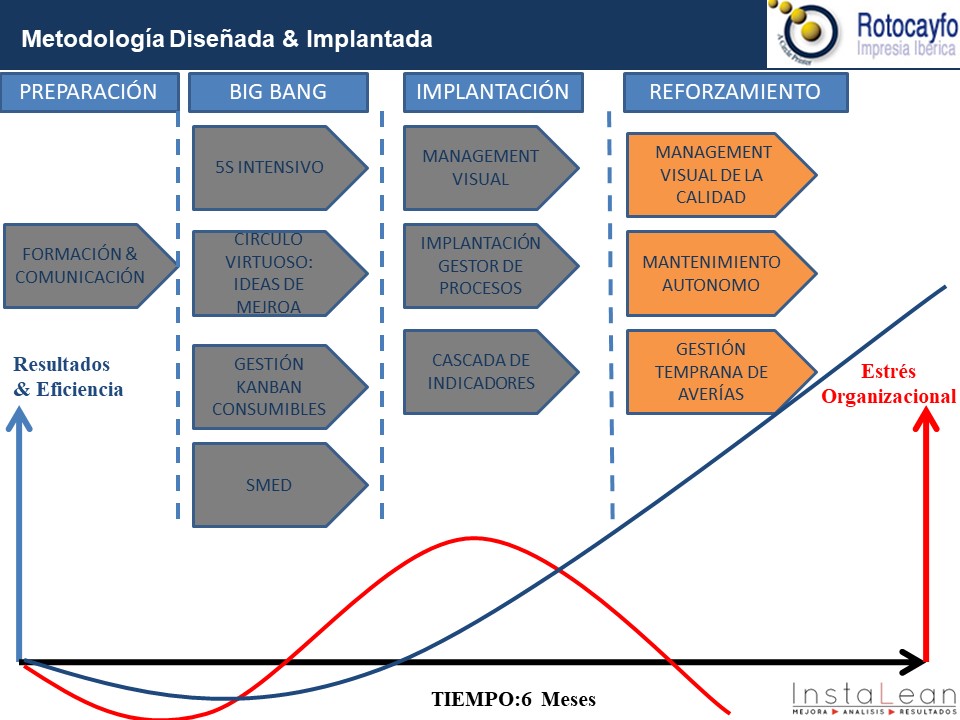
- Train staff on continuous improvement concepts & Involve staff in every stage of the re-engineering process of change
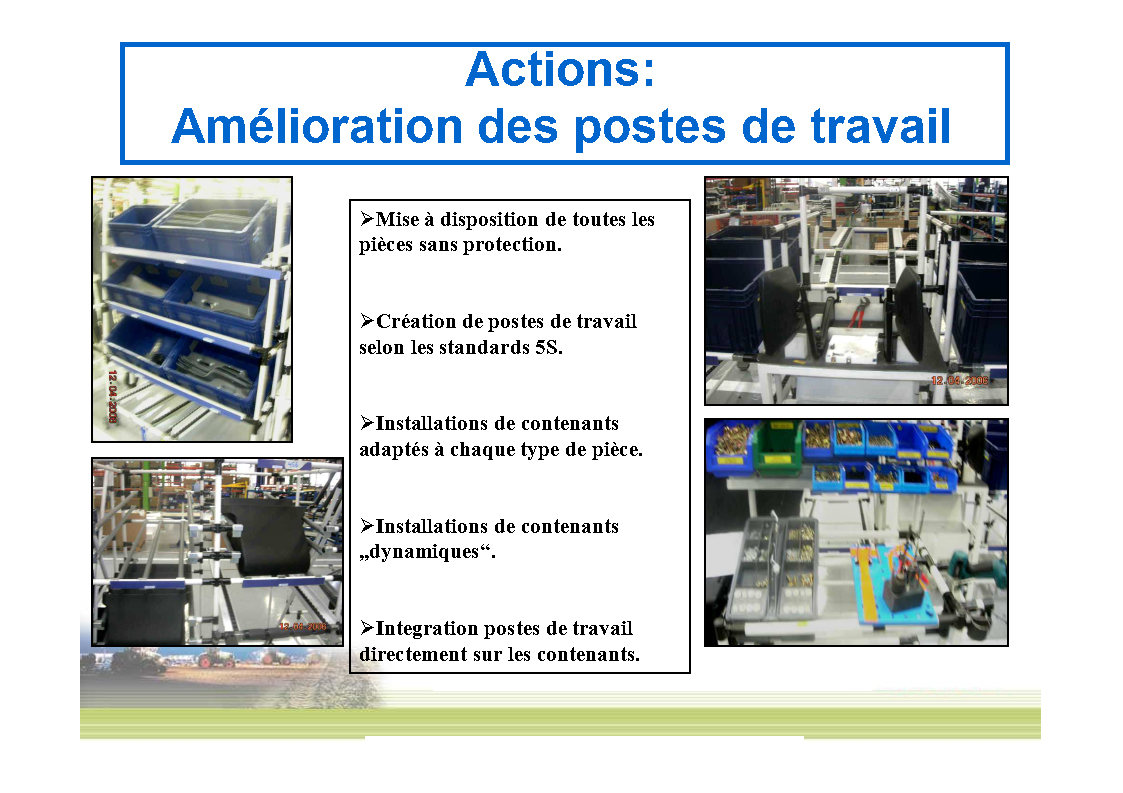
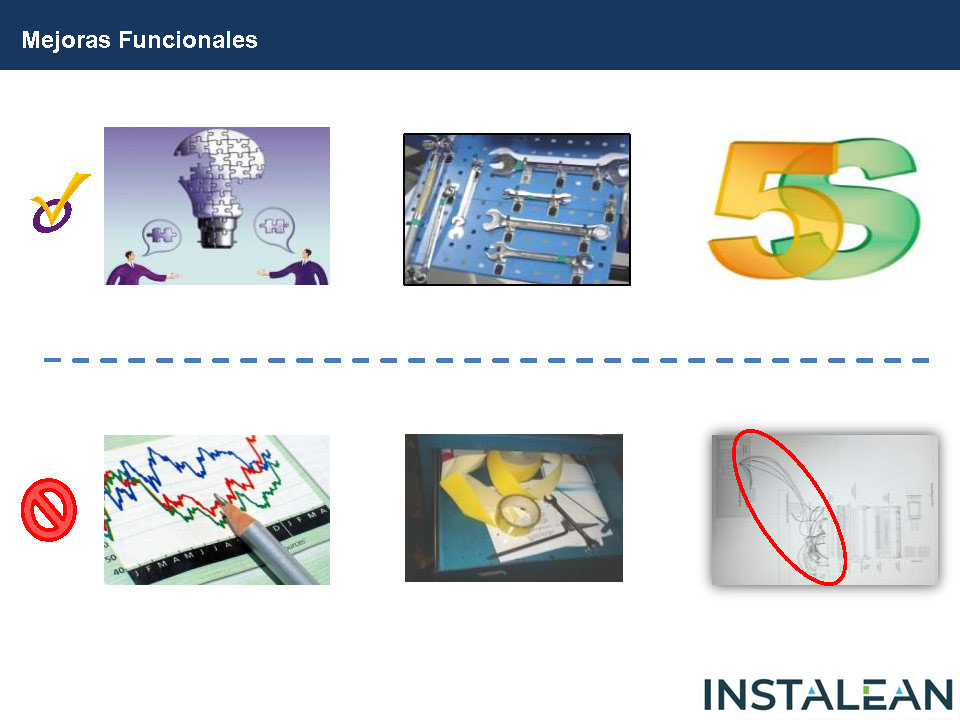
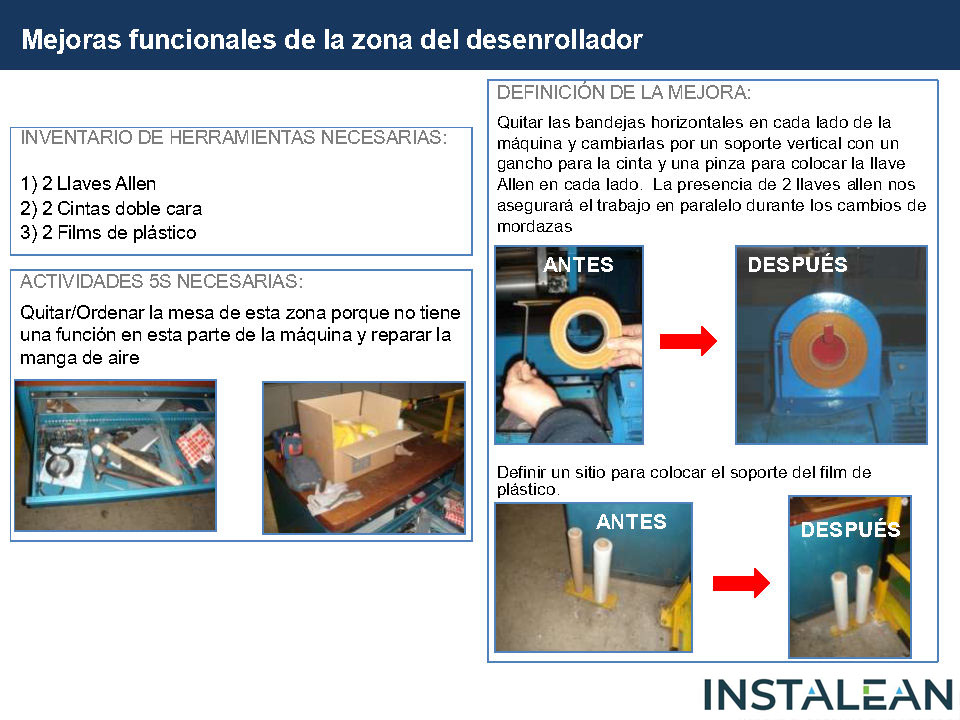
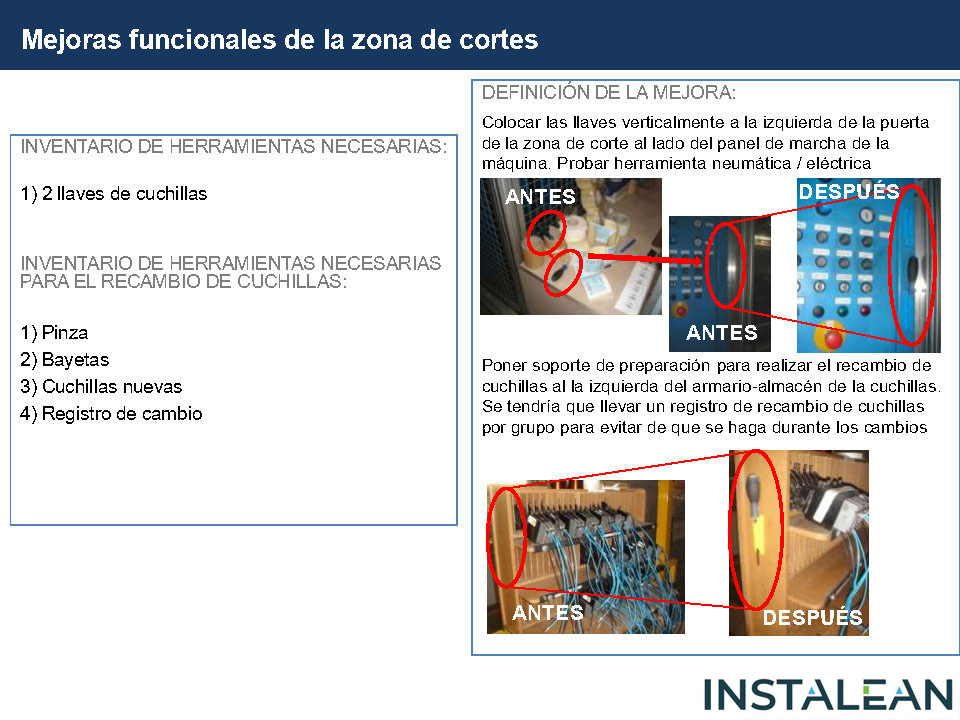
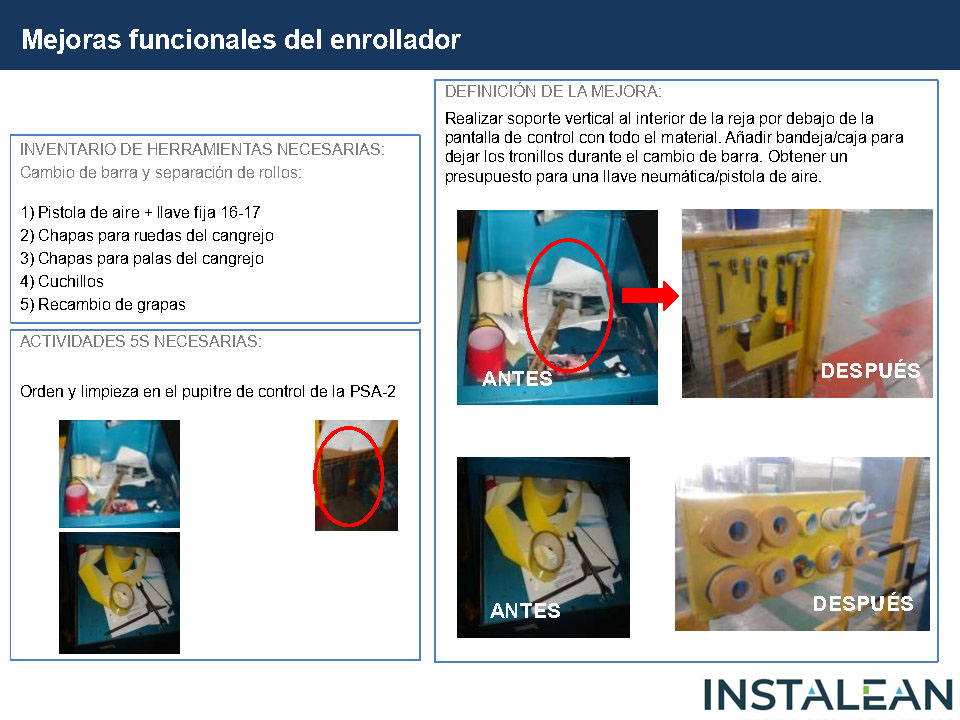
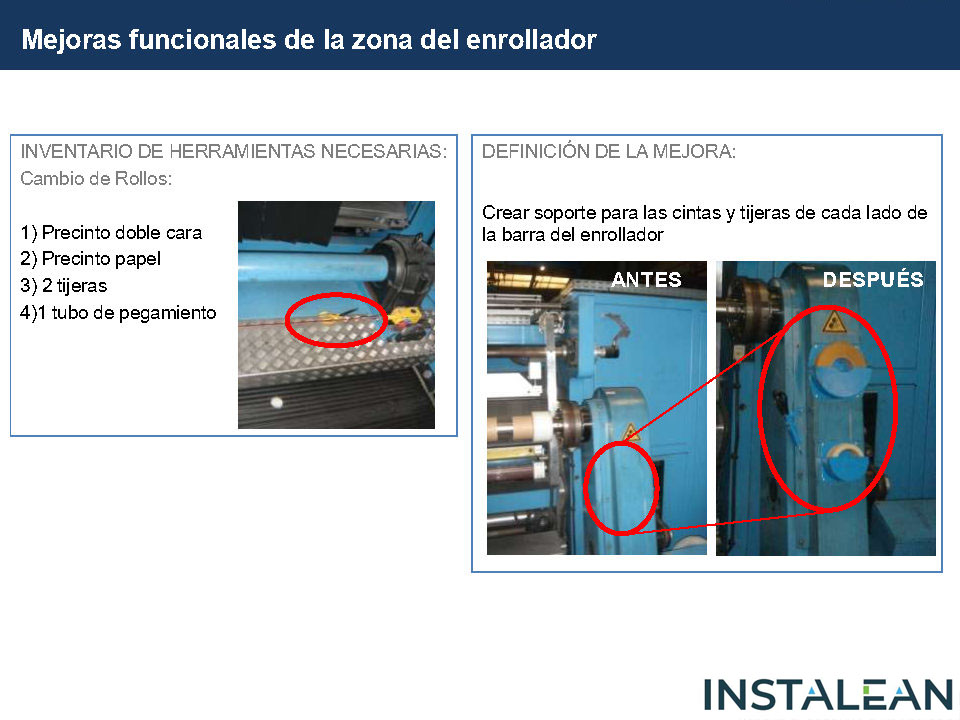
- Introduce the concepts of 5S, Ergonomics, SMED and Parallel Work
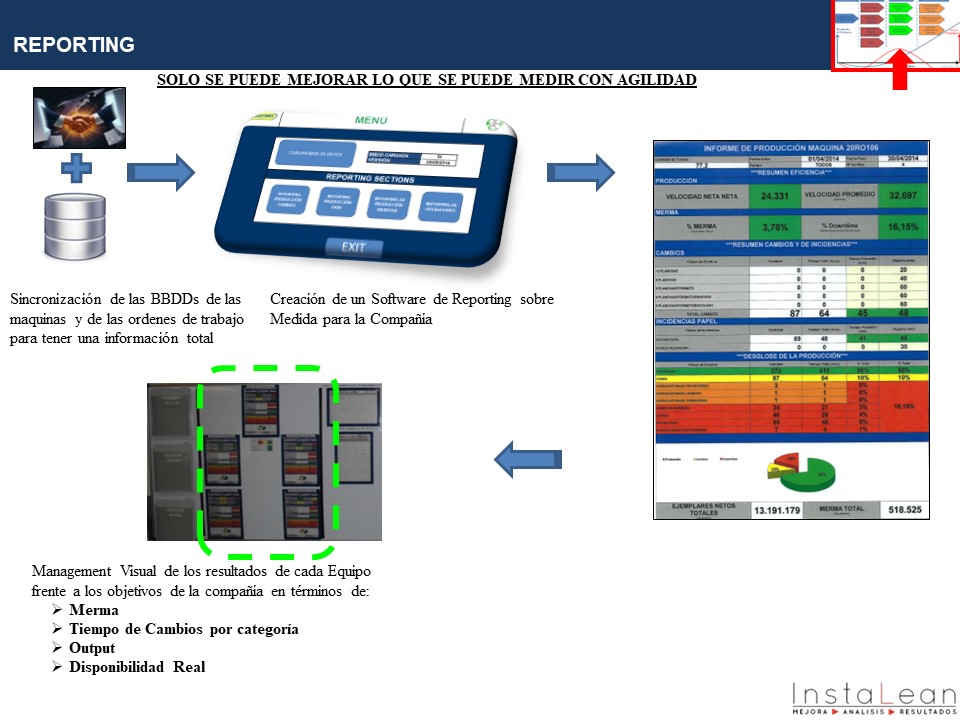
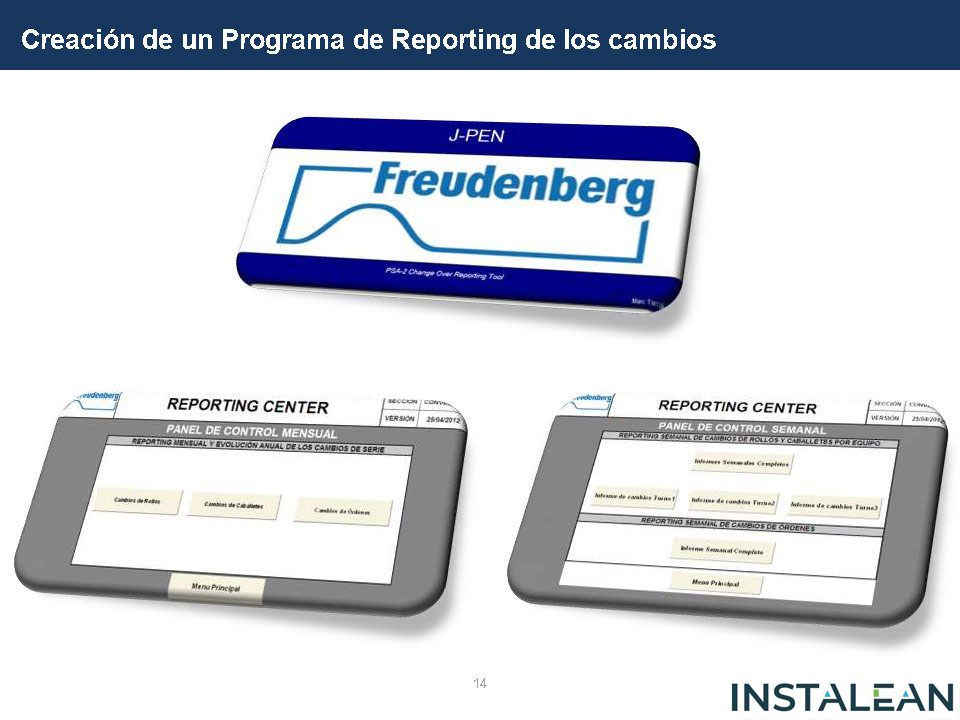
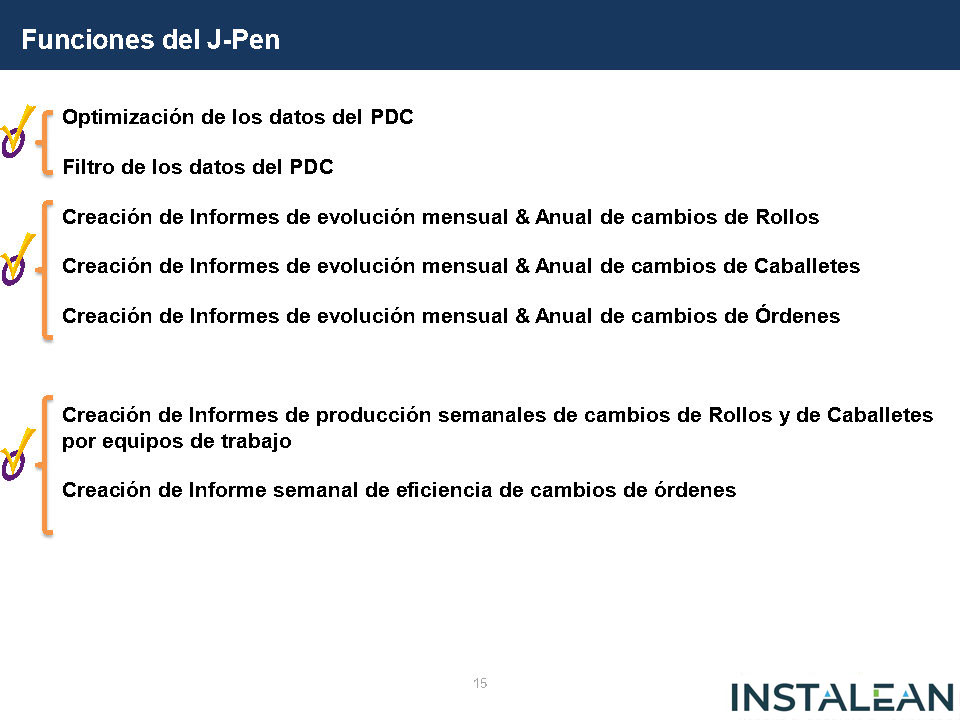
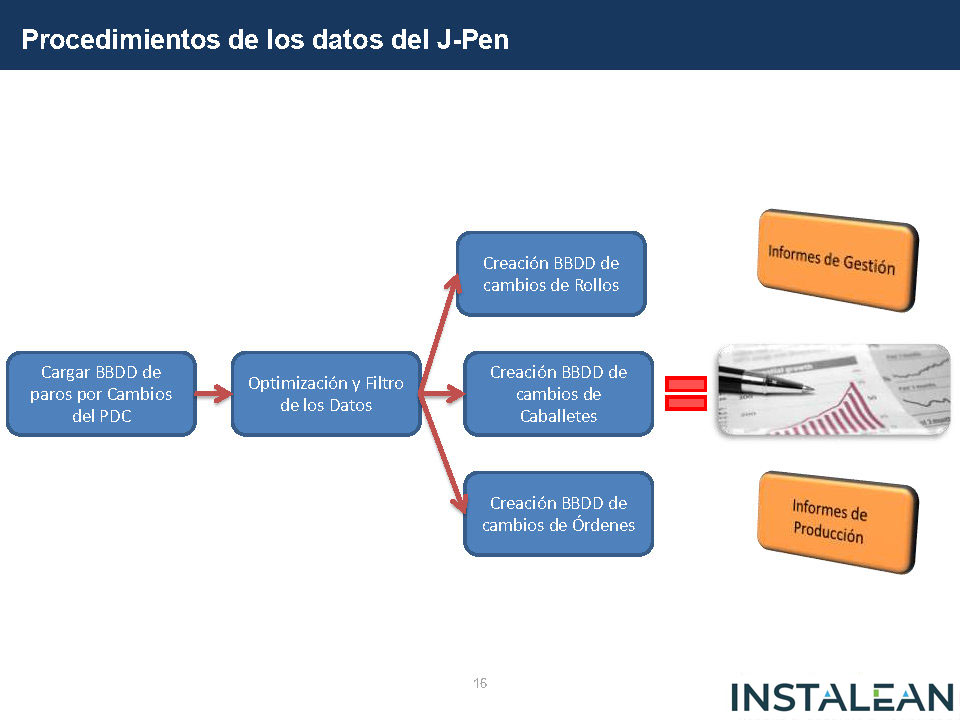
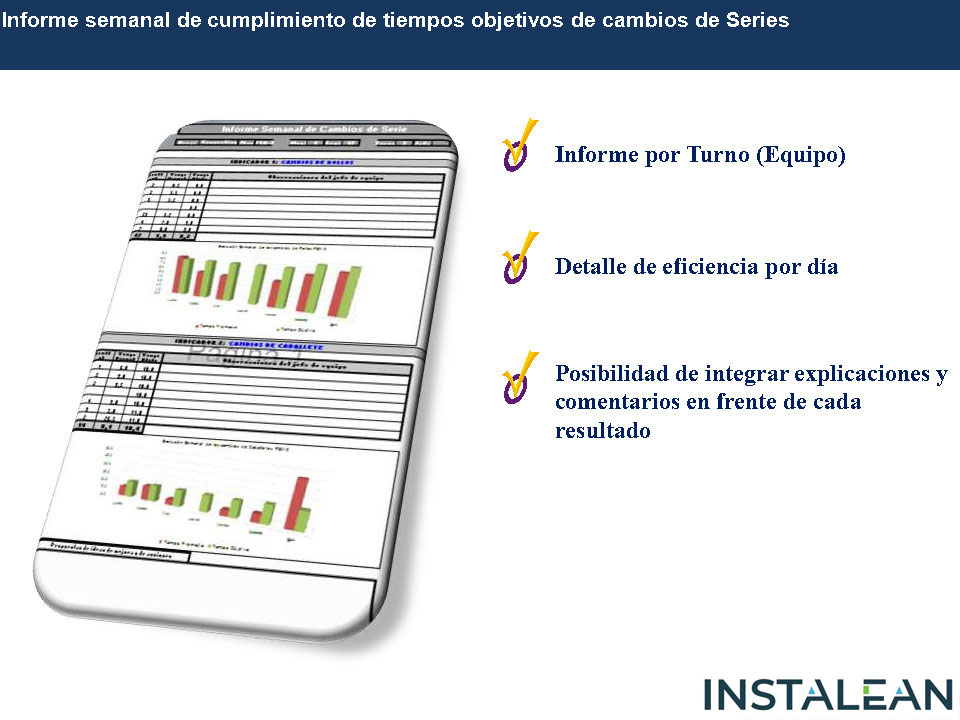
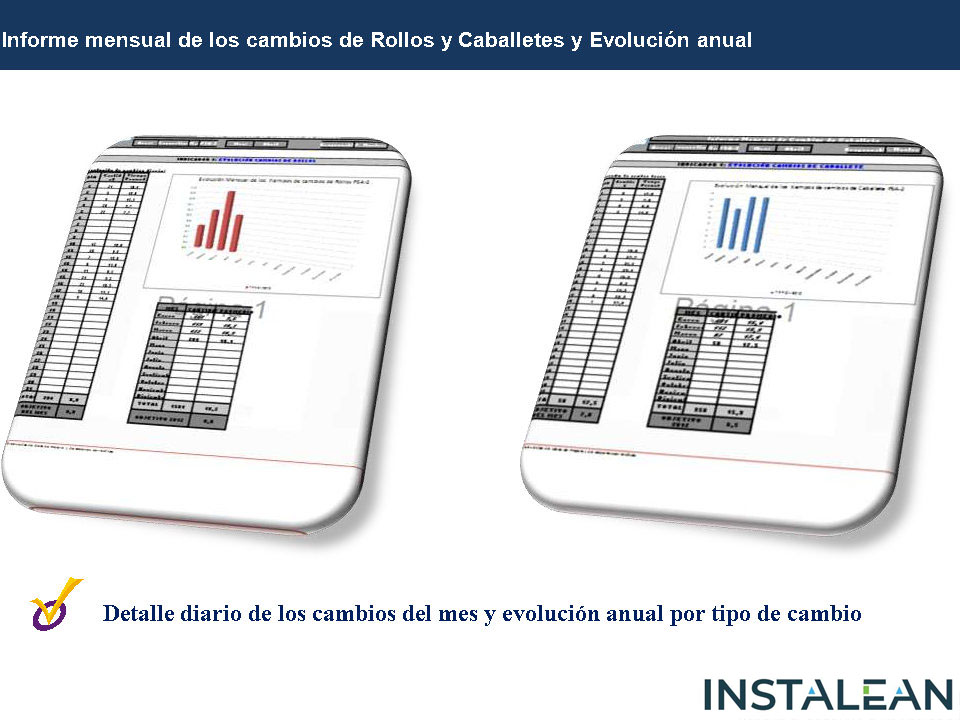
- Create a reporting program that allows you to store and monitor the results.
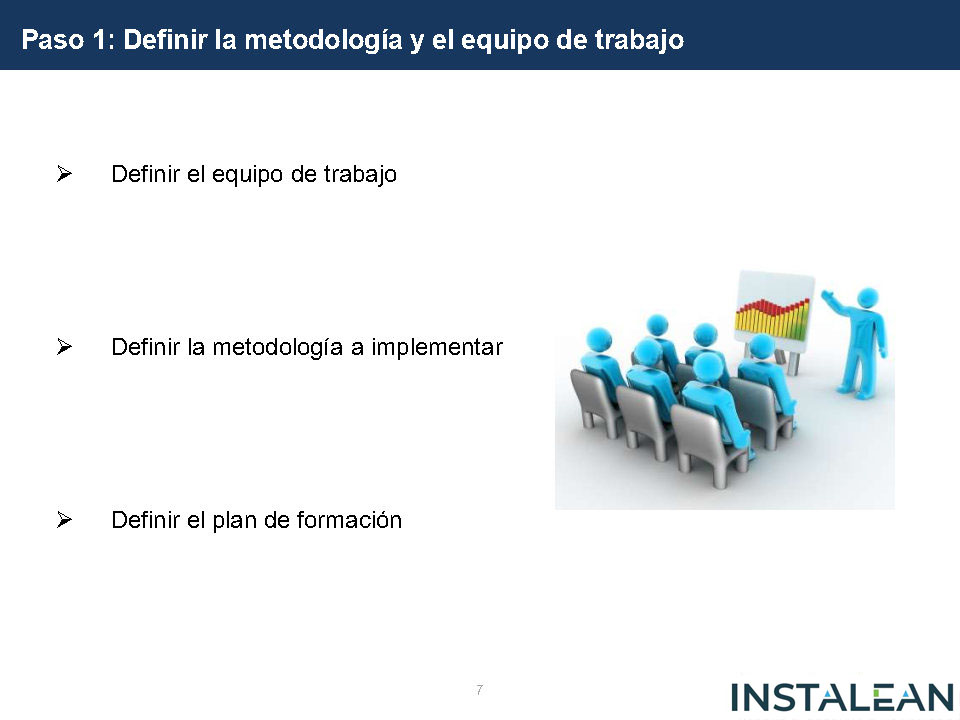
- Form an internal team for the management & execution of SMED projects
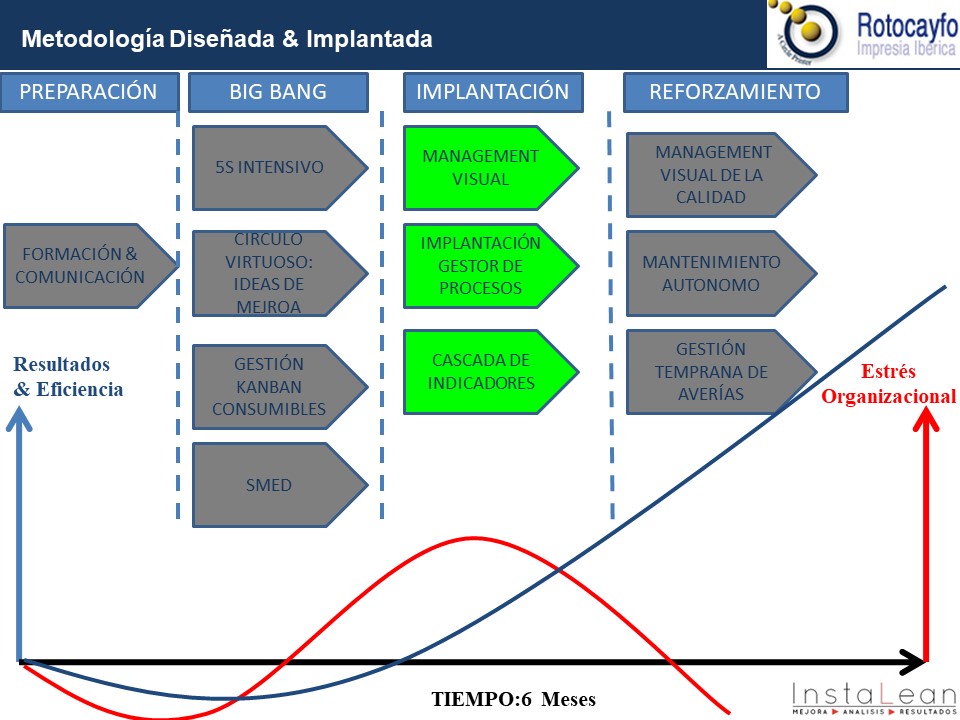
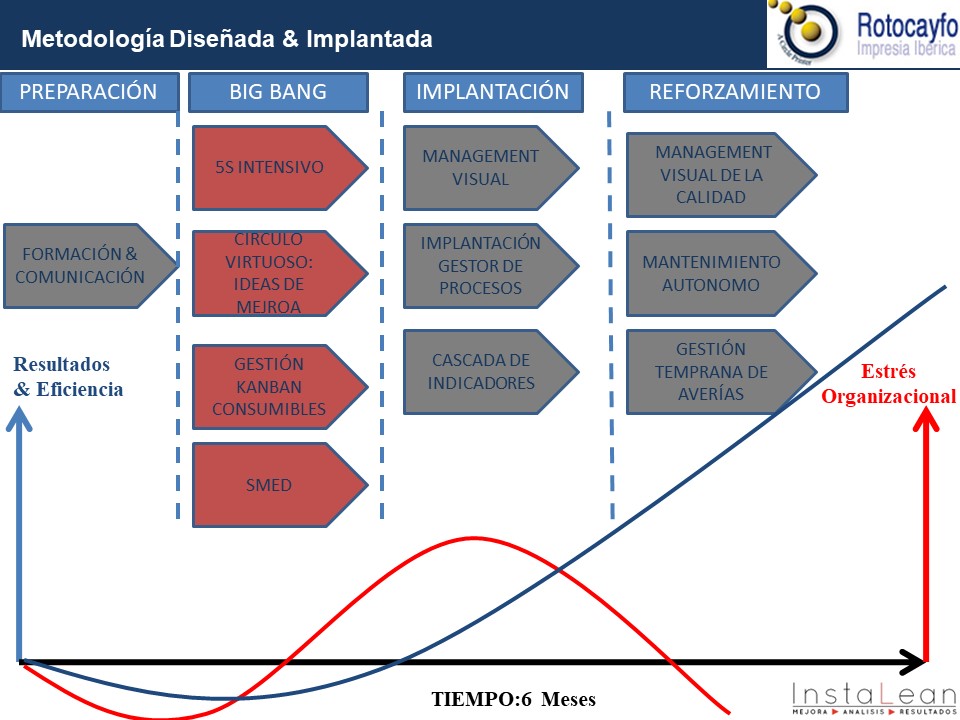
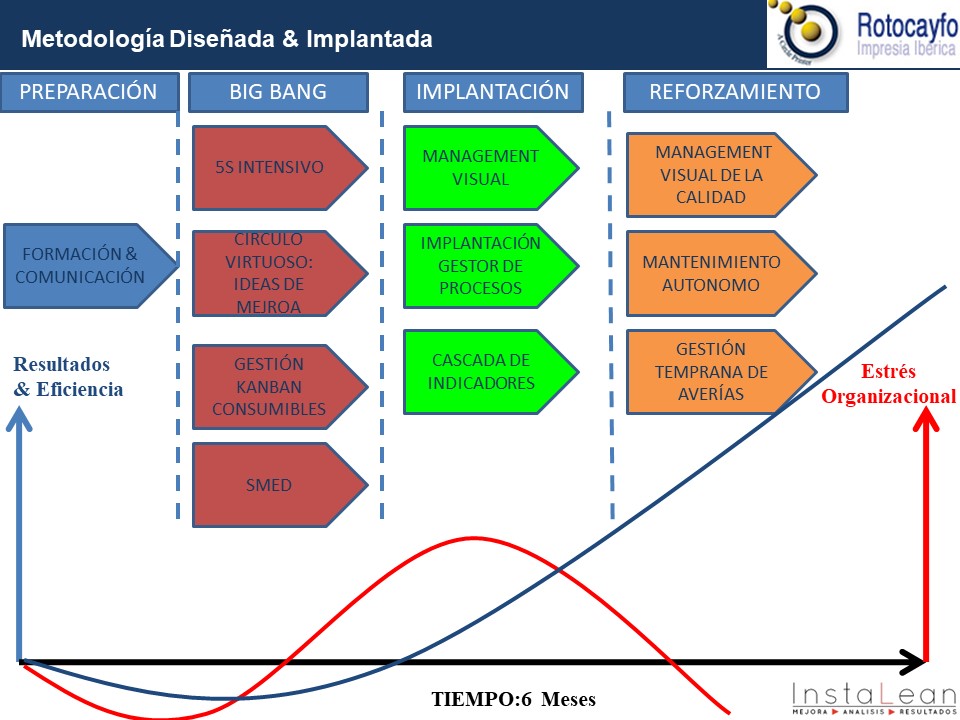
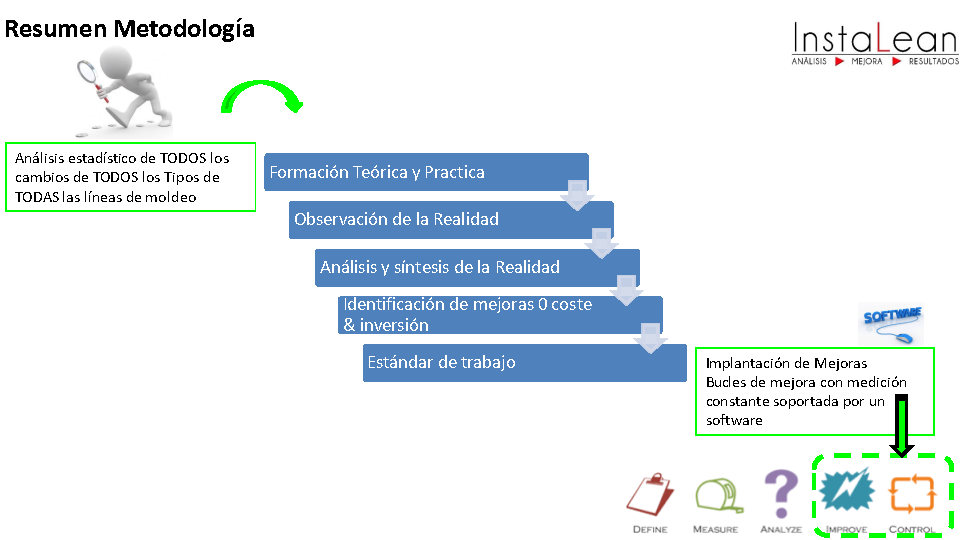
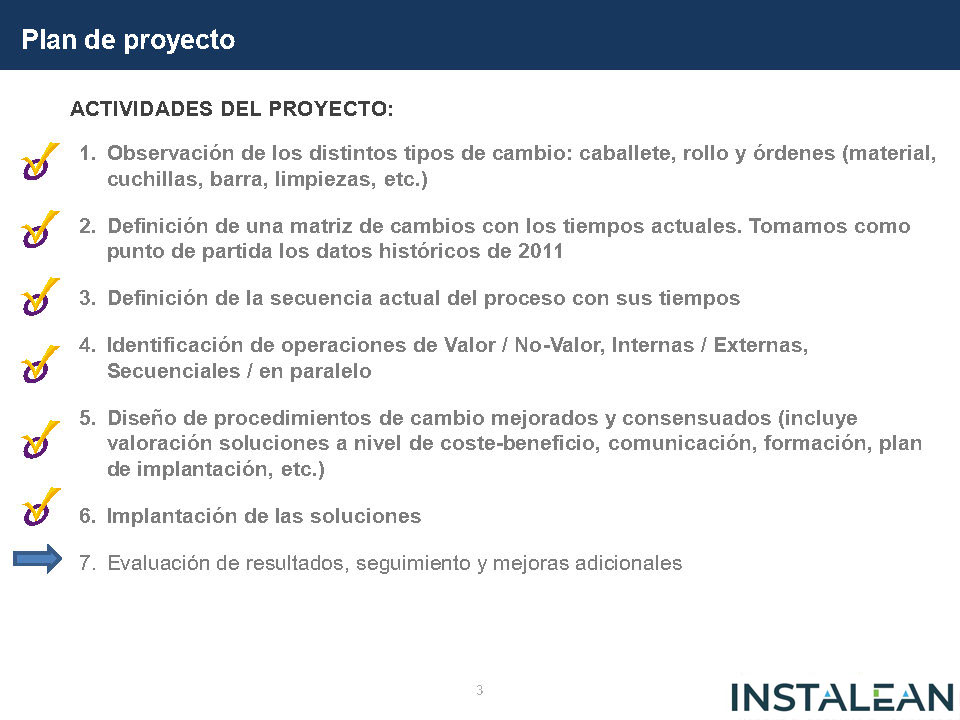
Methodology & Action Summary in 7 Steps
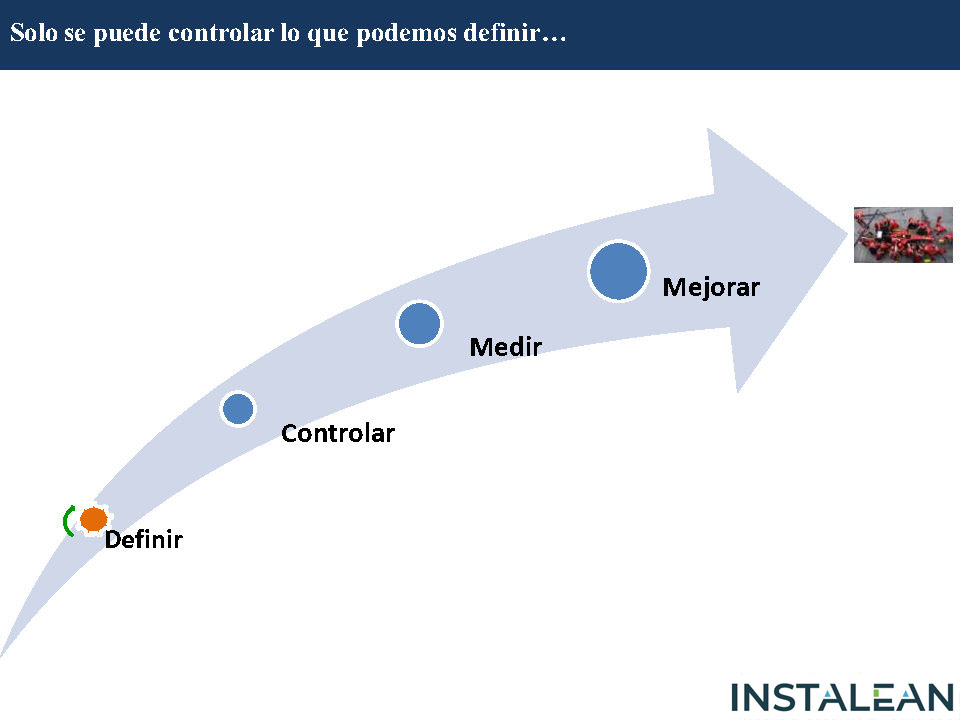
Step 1: Educate to change / open minds
Step 2: Classify / Eliminate variability
2.1 Define the Key Products
Reduction from 25 to 20 Key Products by eliminating products with low or zero production levels in 2012.
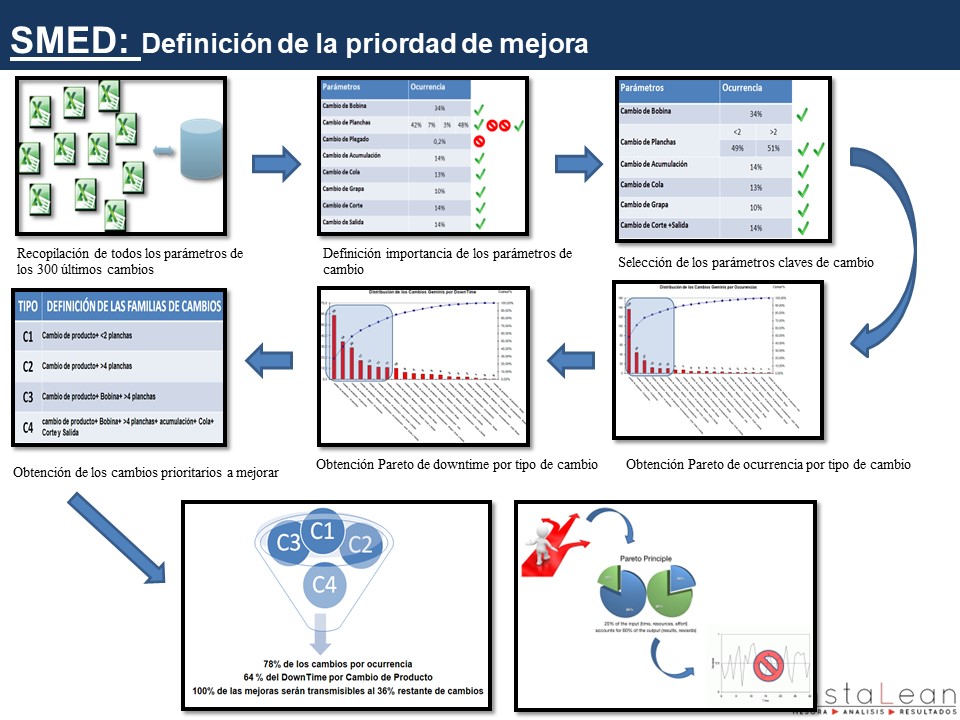
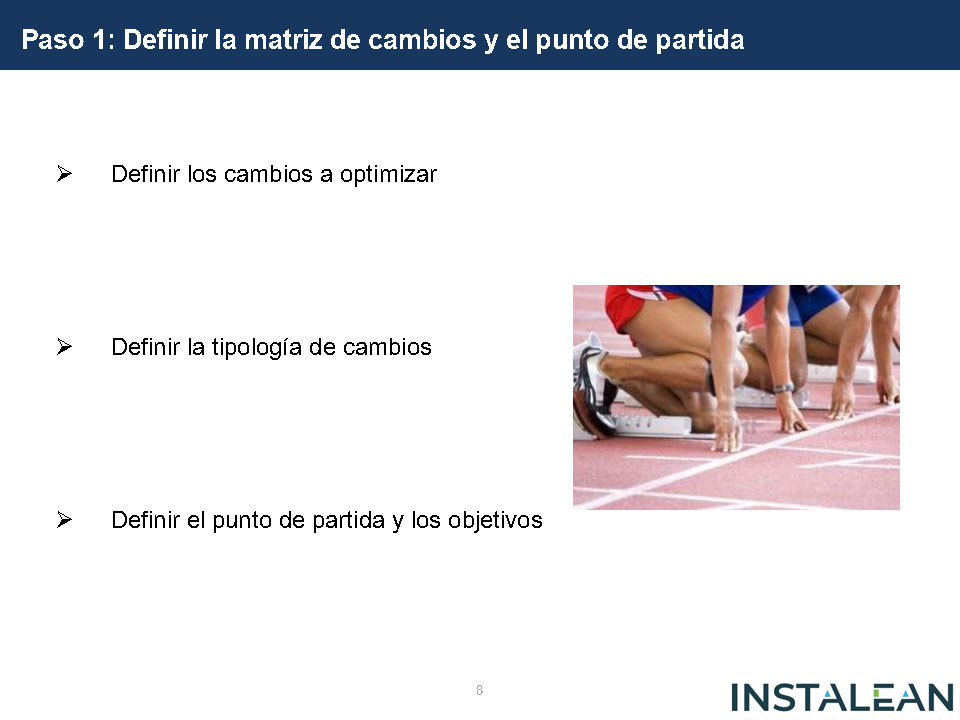
2.2 Create Change Class Matrix
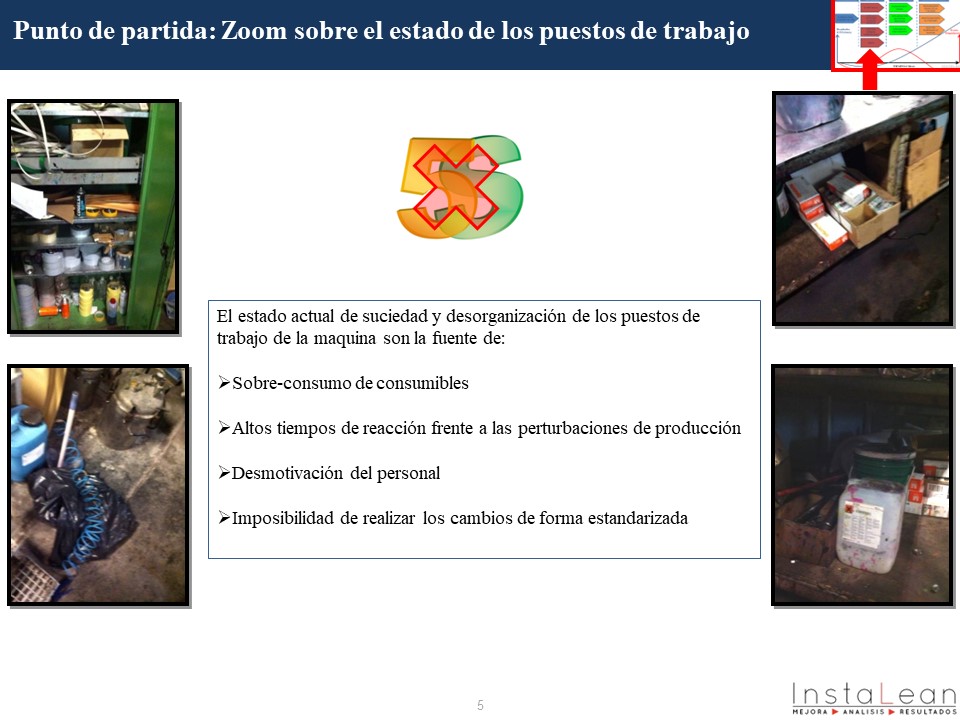
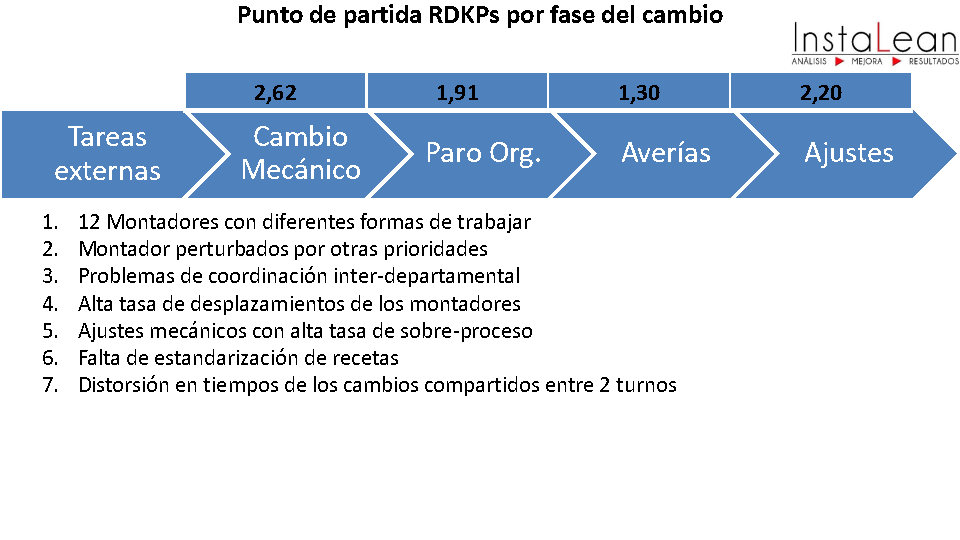
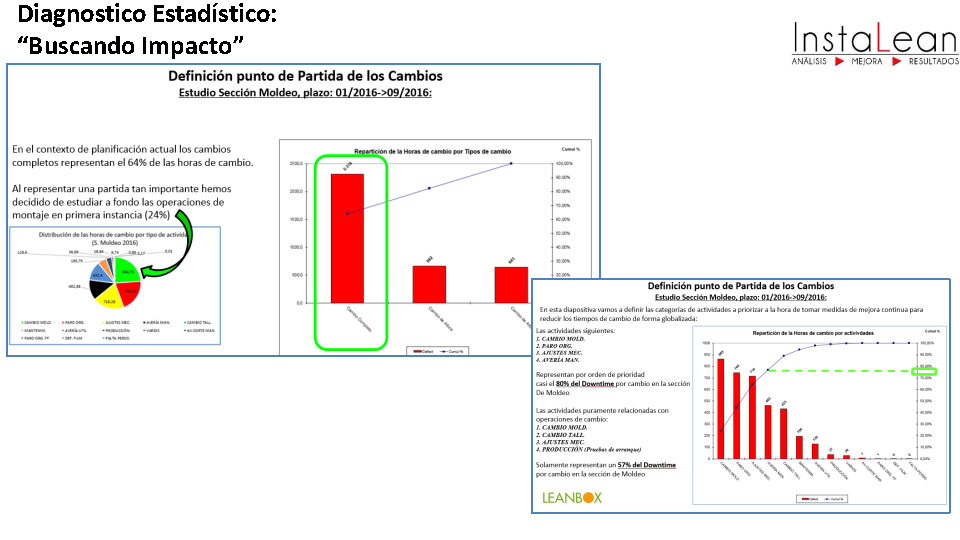
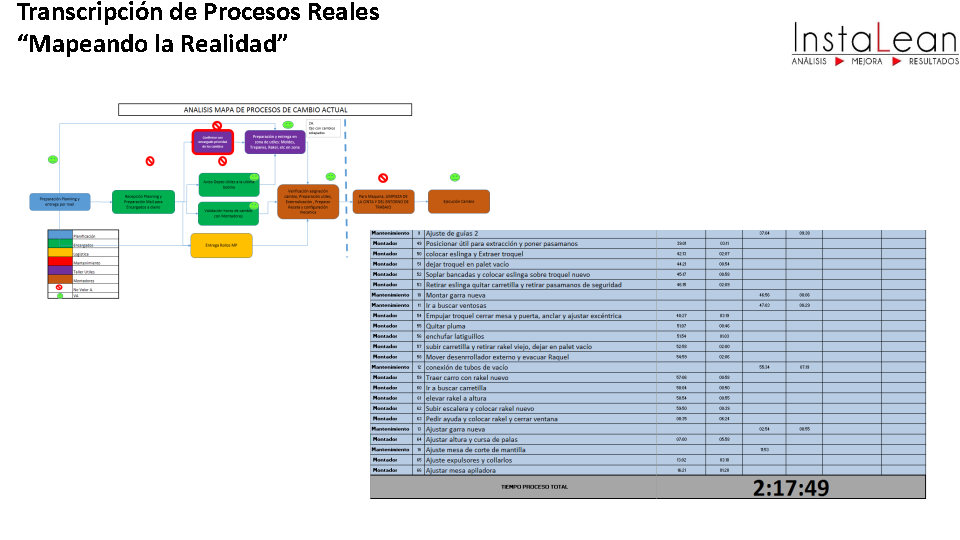
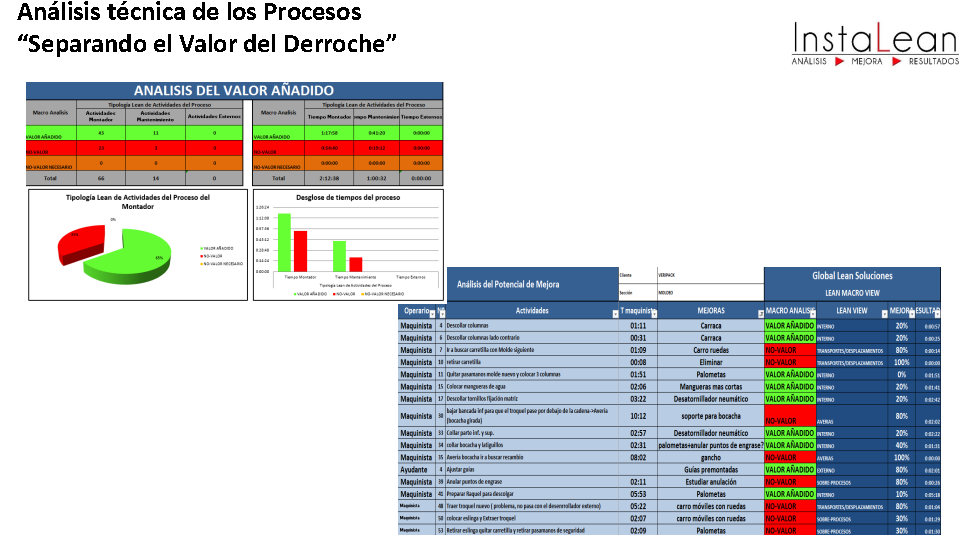
Step 3: Define the Starting Point: Where are we?
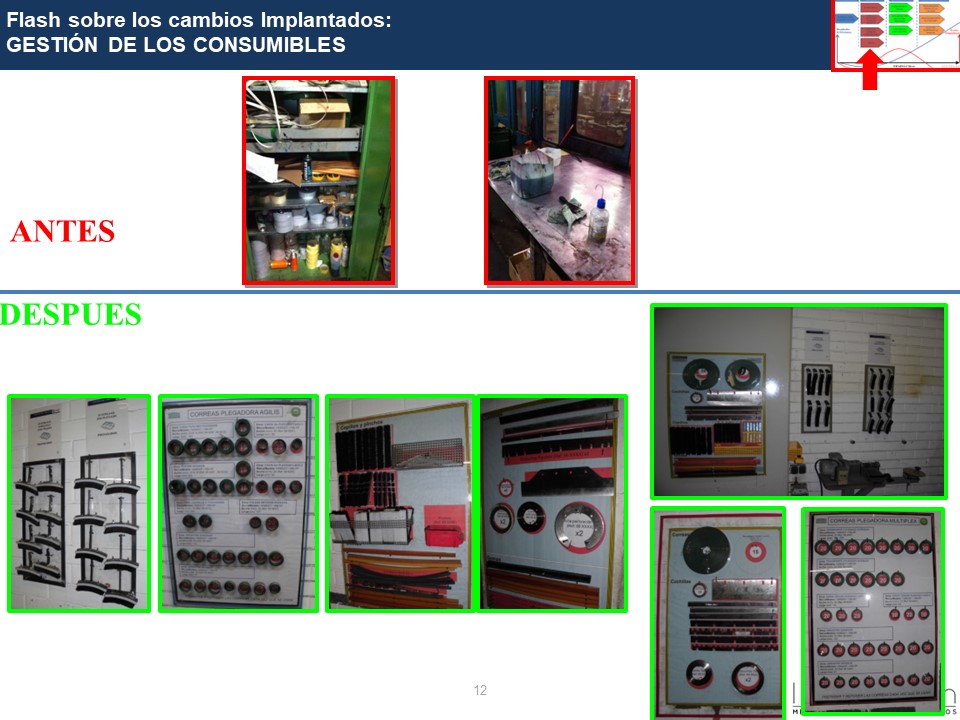
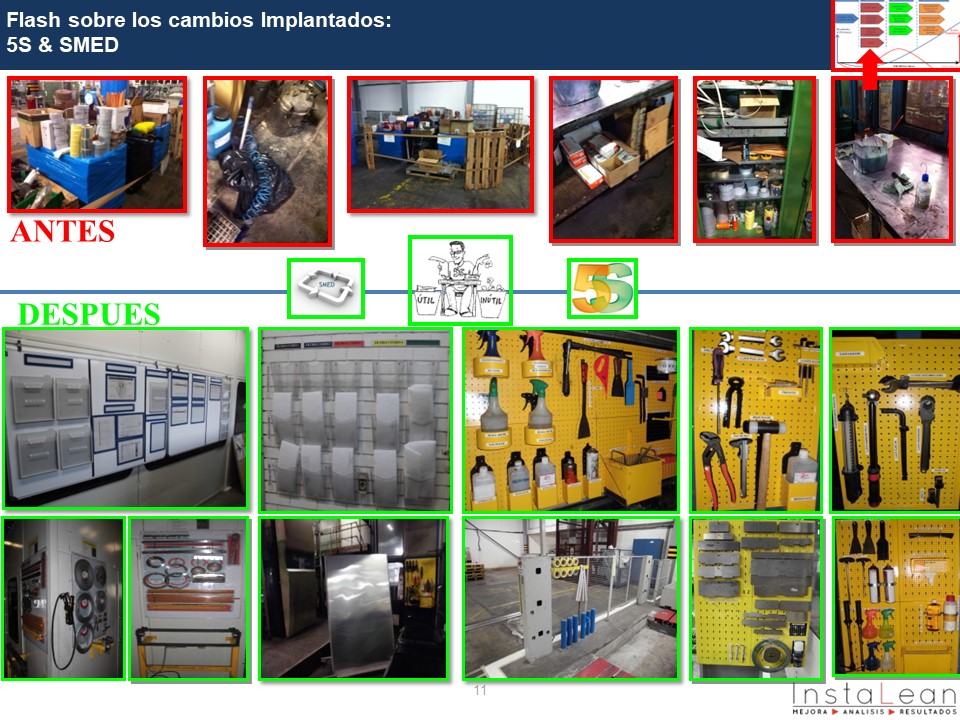
Step 4: Improve the work environment
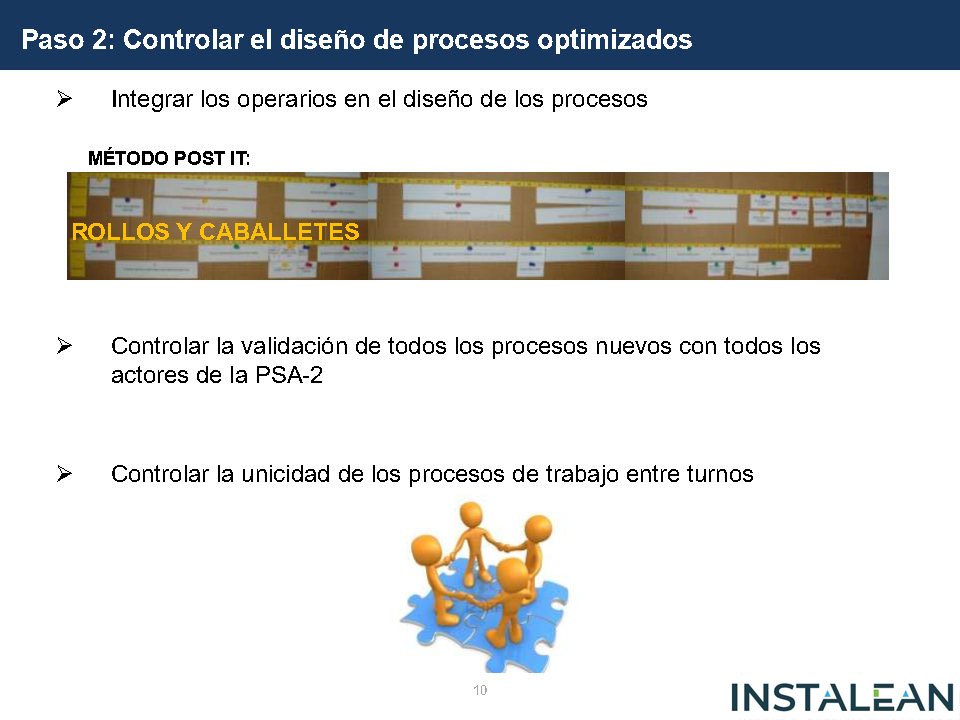
Step 5: Democratic Re-Engineering
Step 6: Monitor & Capitalize on Improvements
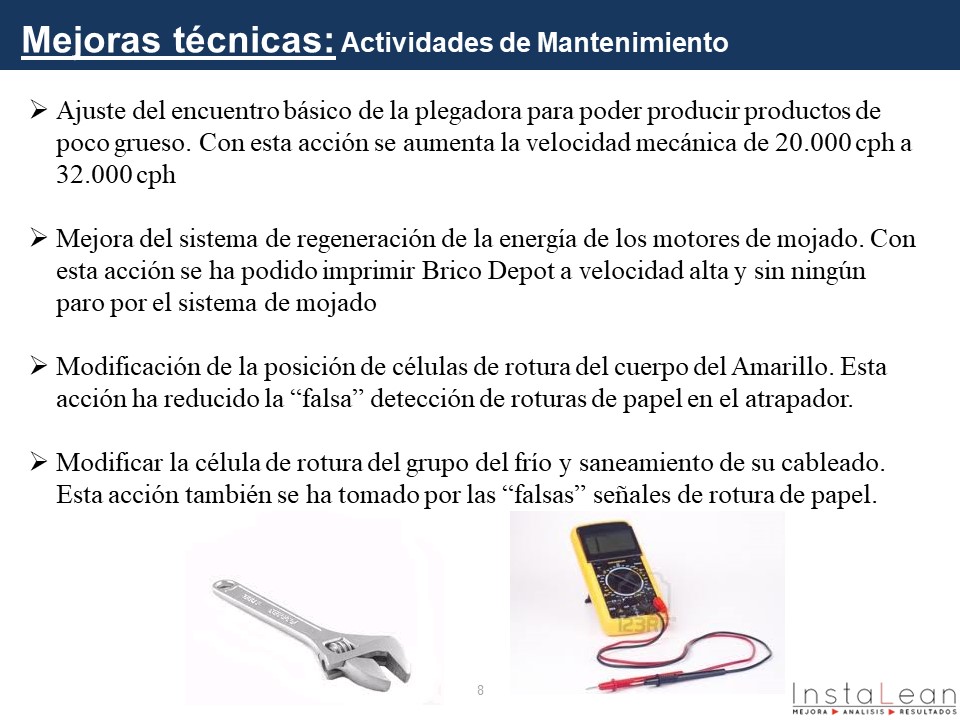
Step 7: Technical & Functional Improvements
- Elimination of the need for “Sprays” & Independence with Maintenance
- Mechanical Improvement of the Villars Machine
- Electrical Upgrade of the Villars Machine
Lean Change C2 Observations: White ->
- Creation of a dust deviation control program & Independence with production managers
- Control of those in charge through Reporting
- Control of those in charge through supervision of external tasks
Lean Change C2 Observations: White->White with Spray: 54 minutes
White with Spray
Process Re-Engineering Summary
Number of optimized processes
- 66% of the changes observed, defined and optimized
- 34% of the improved changes
Process Re-Engineering Summary
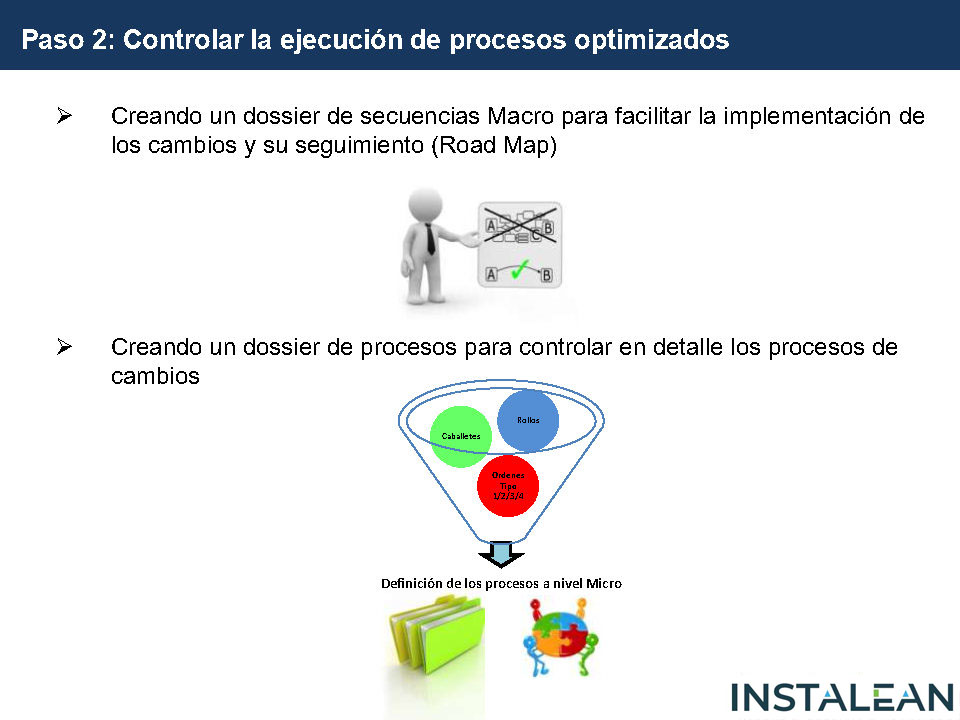
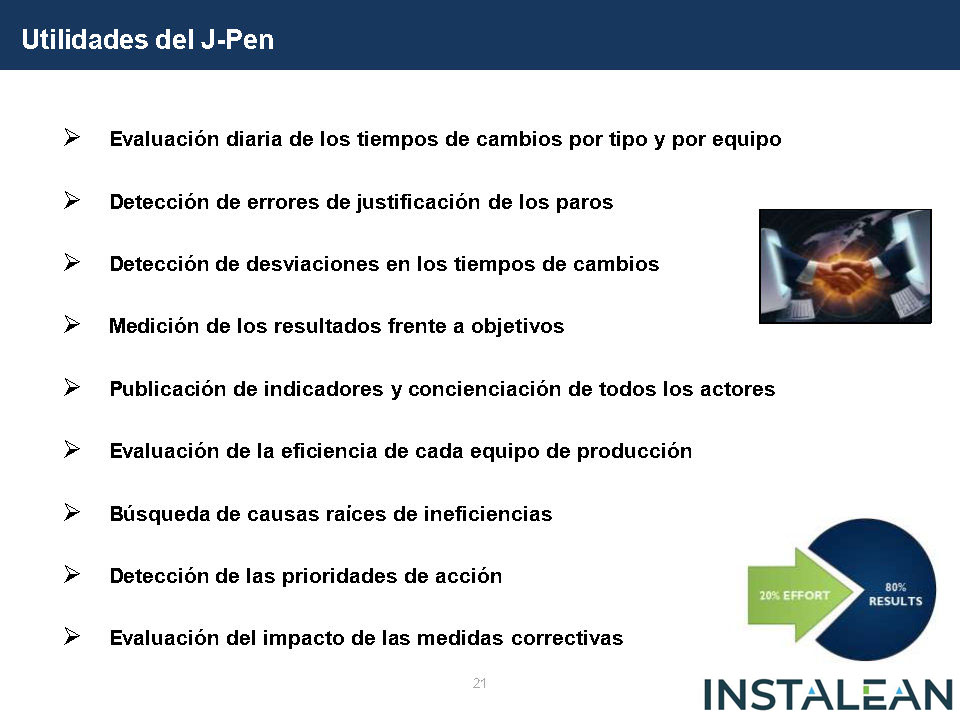
Output1 Output2 Output3 C1 Previous External Tasks Work sequence with 2 PAX External tasks post-change C2 Previous External Tasks Work sequence with 2 PAX External tasks post-change C3 Previous External Tasks Work sequence with 2 PAX External tasks post-change C4 Previous External Tasks Work sequence with 2 PAX External tasks post-change C5 Previous External Tasks Work sequence with 2 PAX External tasks post-change C6 Previous External Tasks Work sequence with 2 PAX External tasks post-change Process dossier
Summary of Actions Taken & Pending
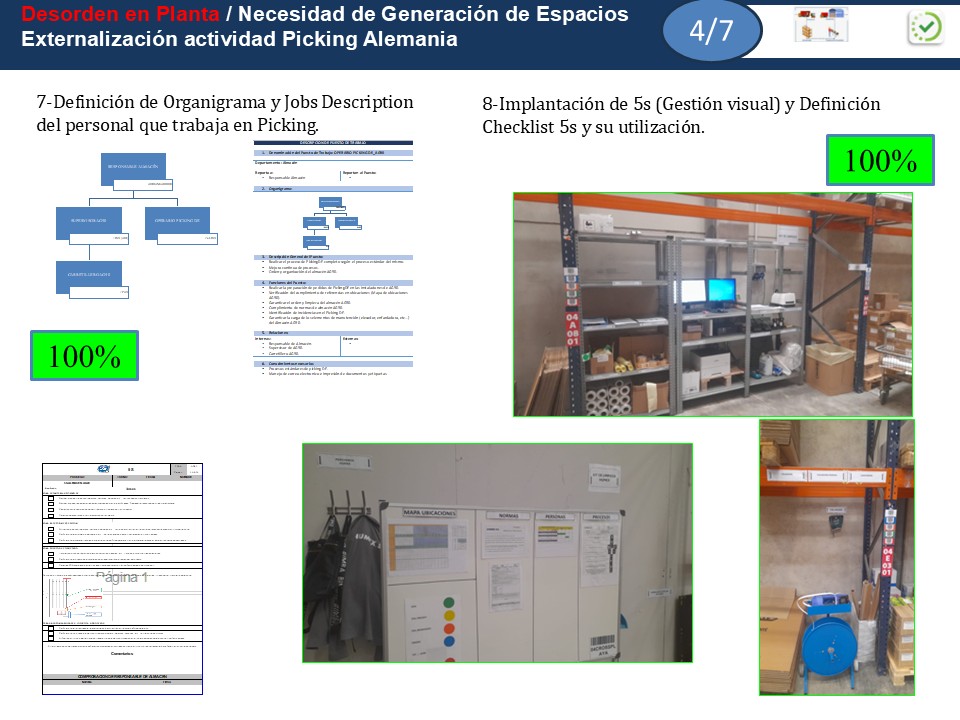
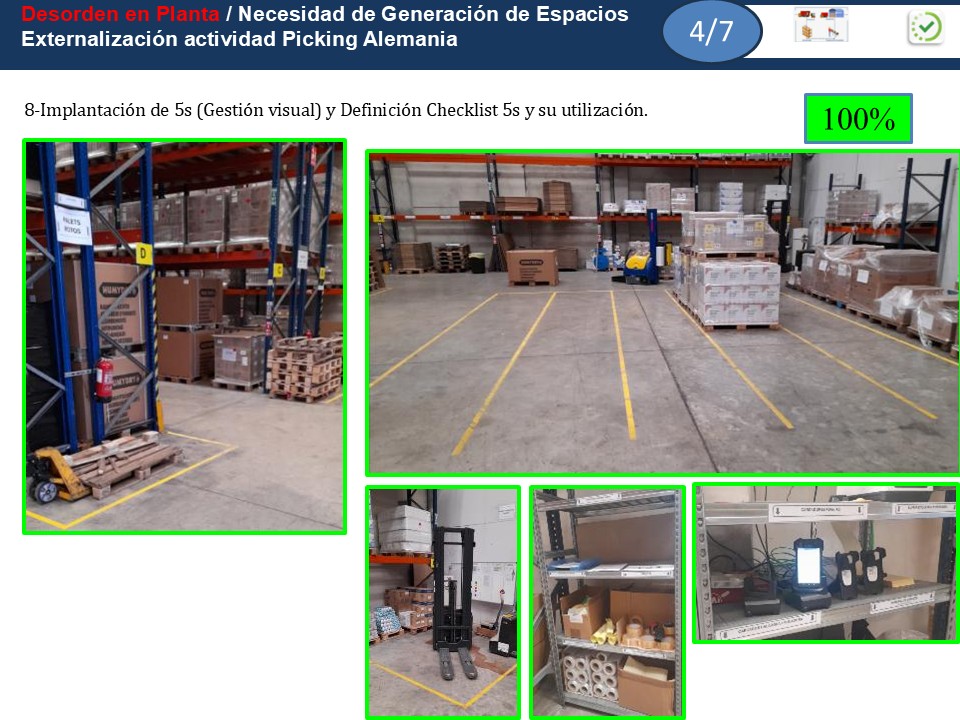
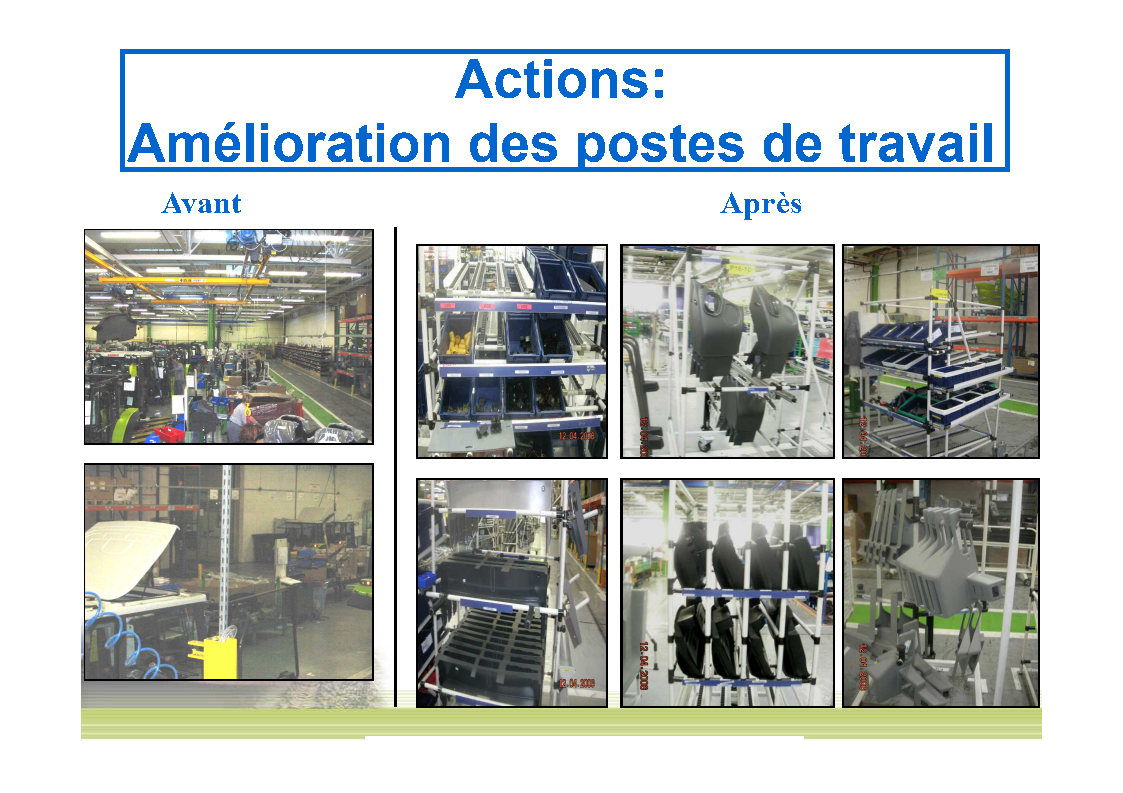
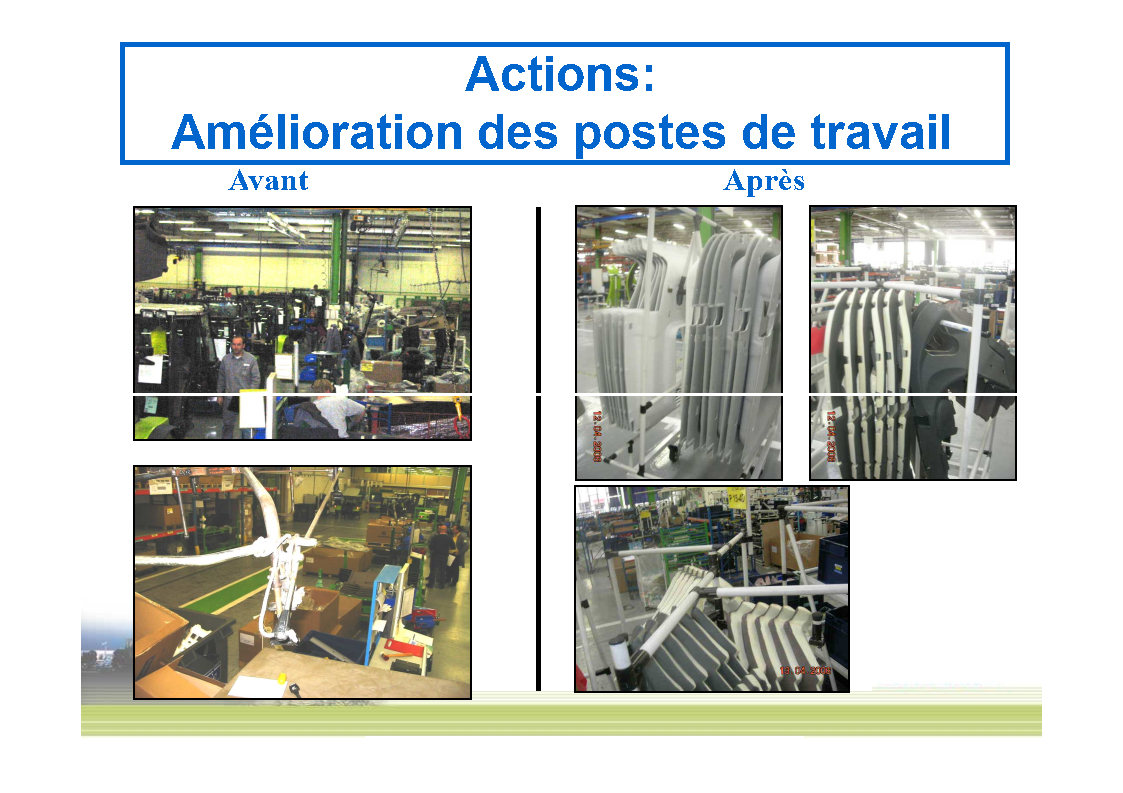
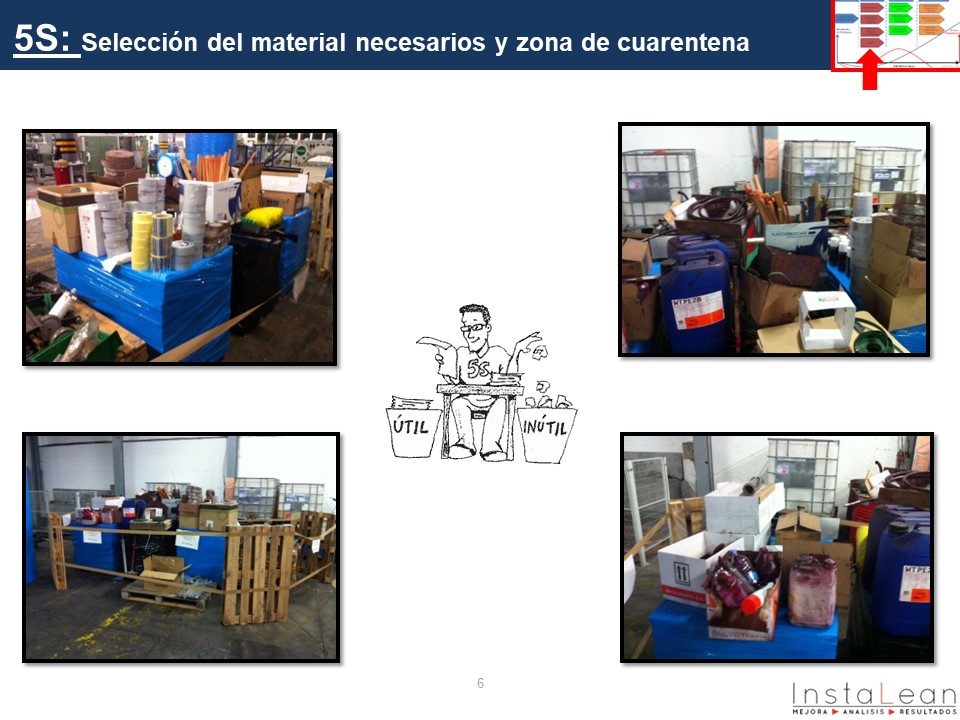
5S Actions: Order / Cleanliness / Safety
| State | Compliance | % | ||||
| Plan | 28 | 100% | ||||
| EARRINGS | 17 | 60% | ||||
| Act / Implemented | 5 | 19% | ||||
| Discarded | 6 | 21% |
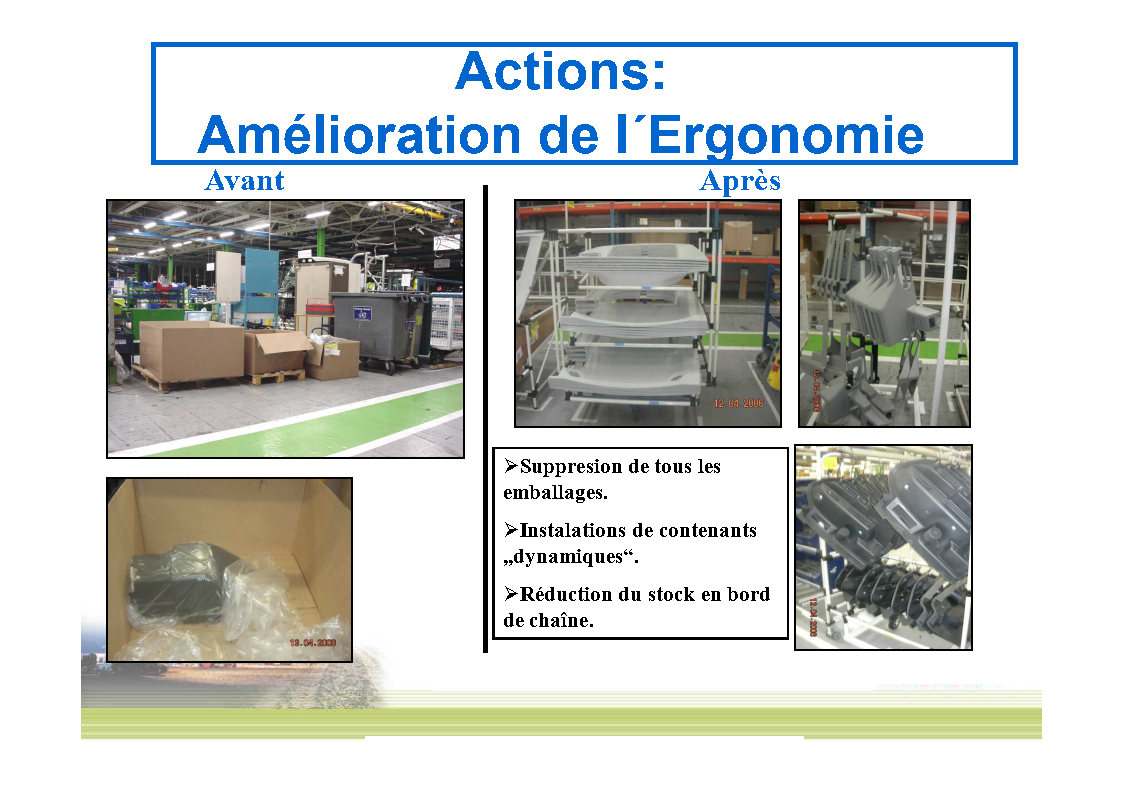
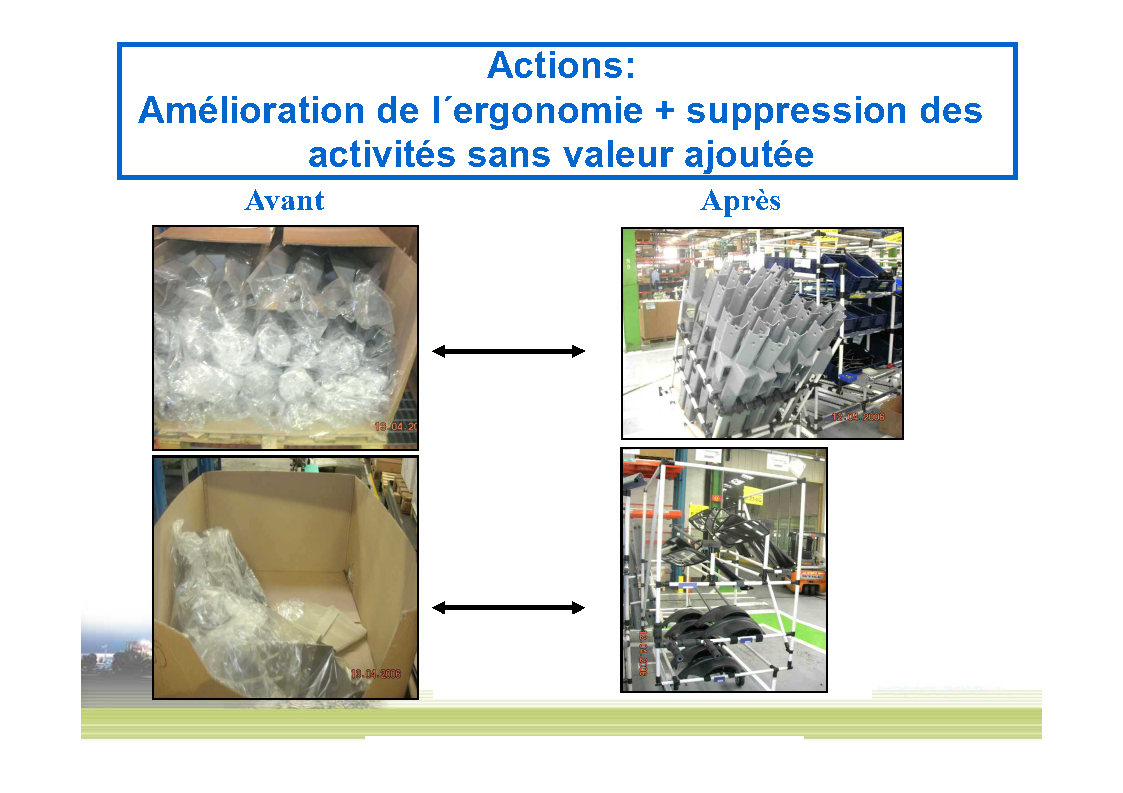
7S Actions: Ergonomics / Displacements
| State | Compliance | % |
| Plan | 52 | 100% |
| EARRINGS | 5 | 10% |
| Act / Implemented | 39 | 75% |
| Discarded | 8 | 15% |
Organizational Actions
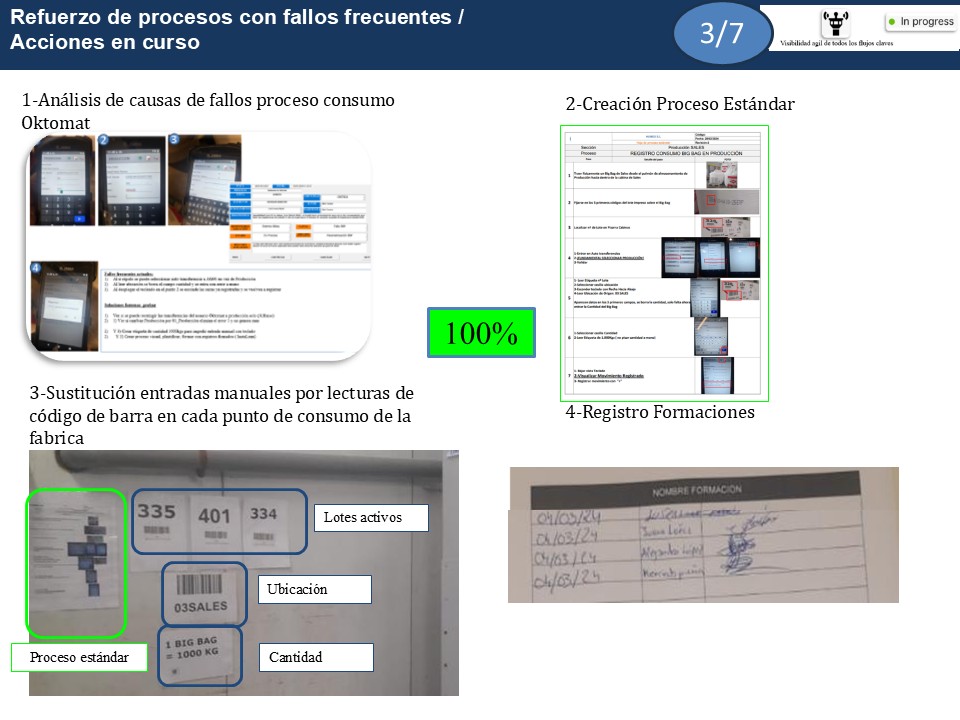
- Creation of the process dossier
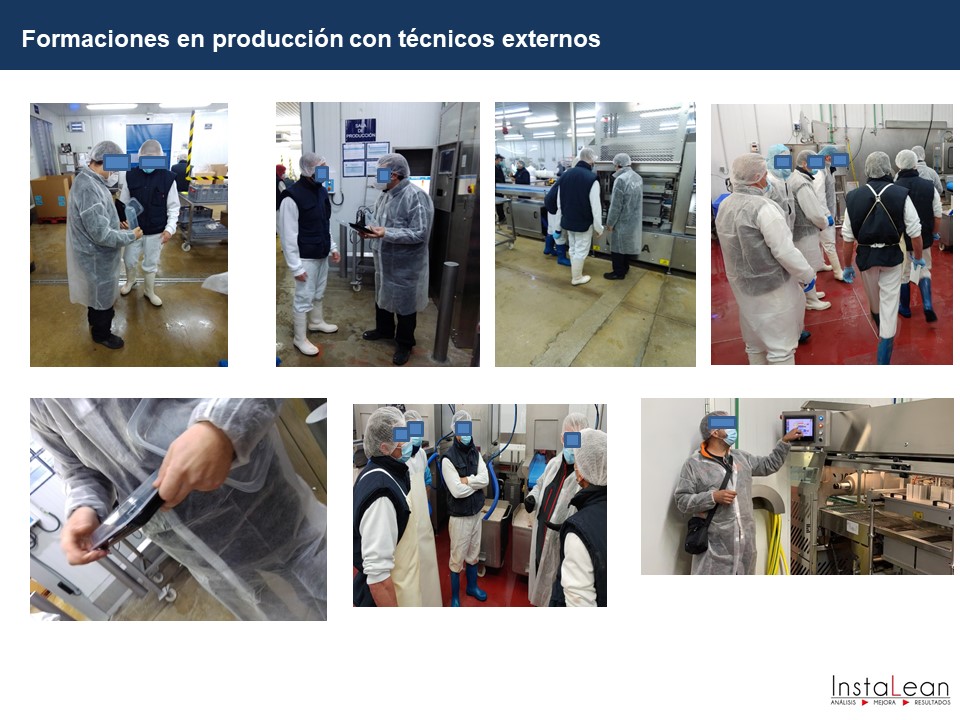
- Operator training
- Definition of external work
- Definition of Objectives
Functional Actions
- Creation of the powder weight program
- Training of those in charge
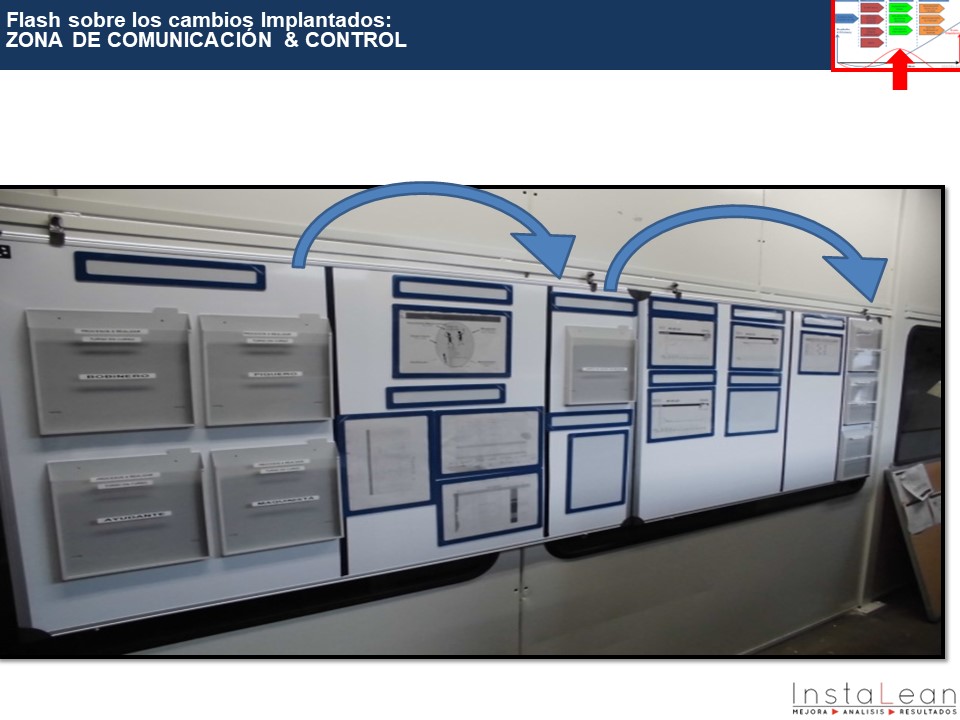
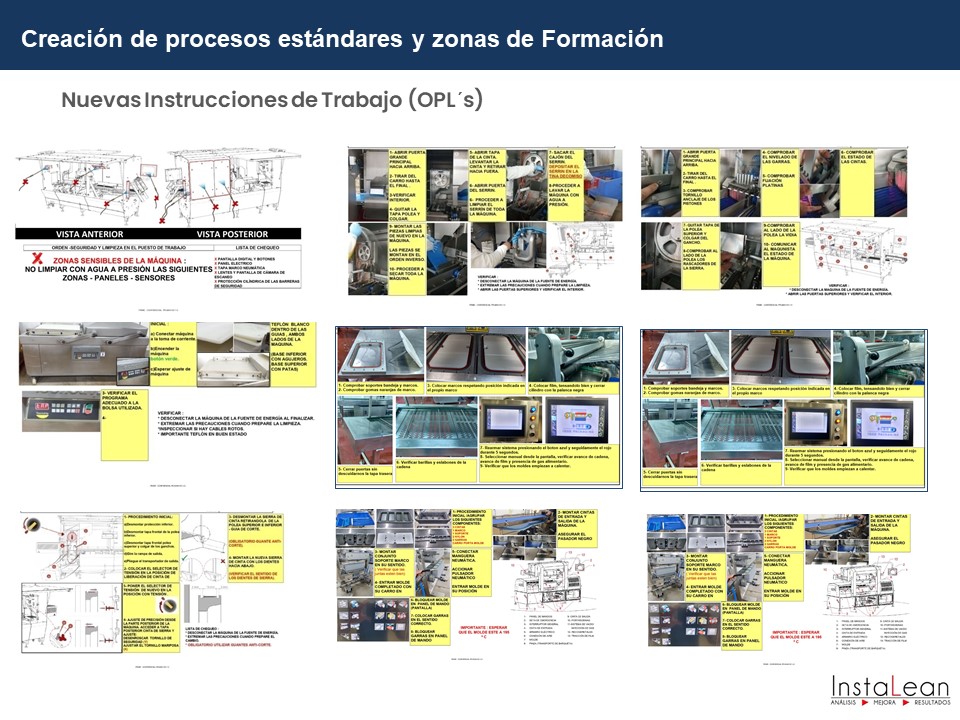
- Creation of communication & reporting panels
Pending points
Using the powder weight program:
Control of actual weight deviation vs. target / Tray weight deviation / Digital adjustment
Outsourcing the assistant's work:
Having an additional easel for the start of production
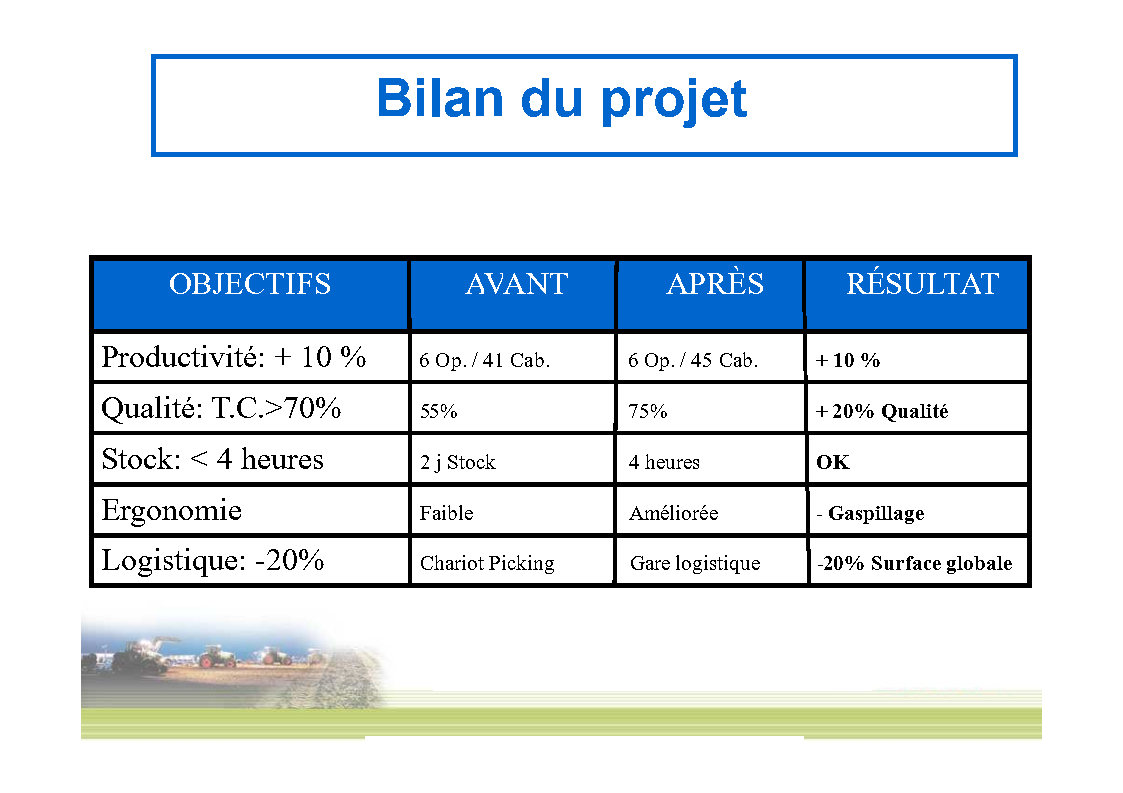
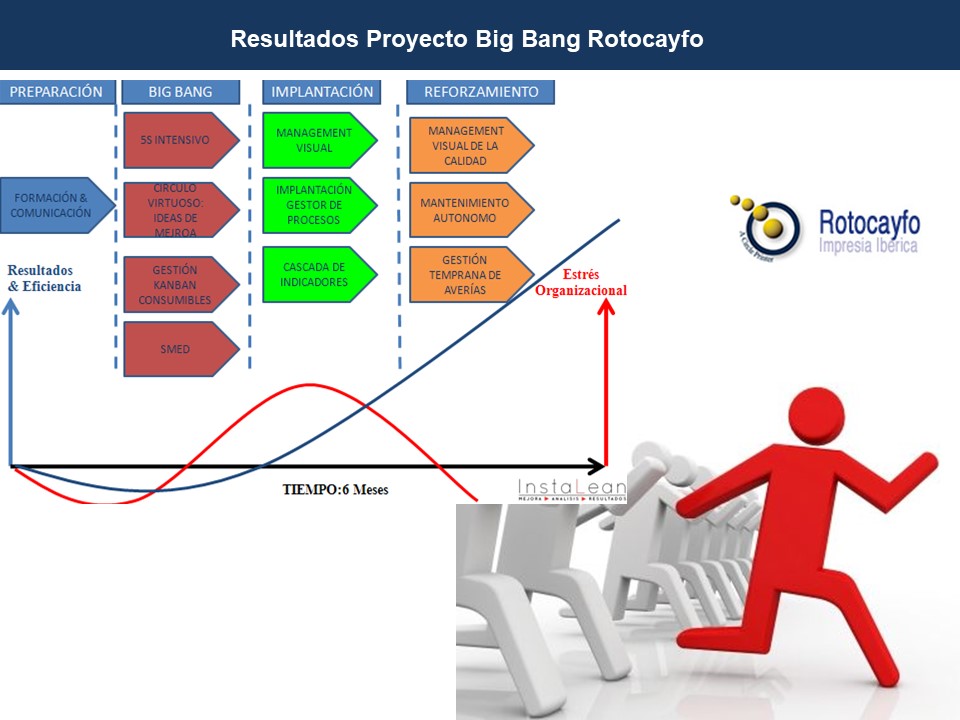
Project Results
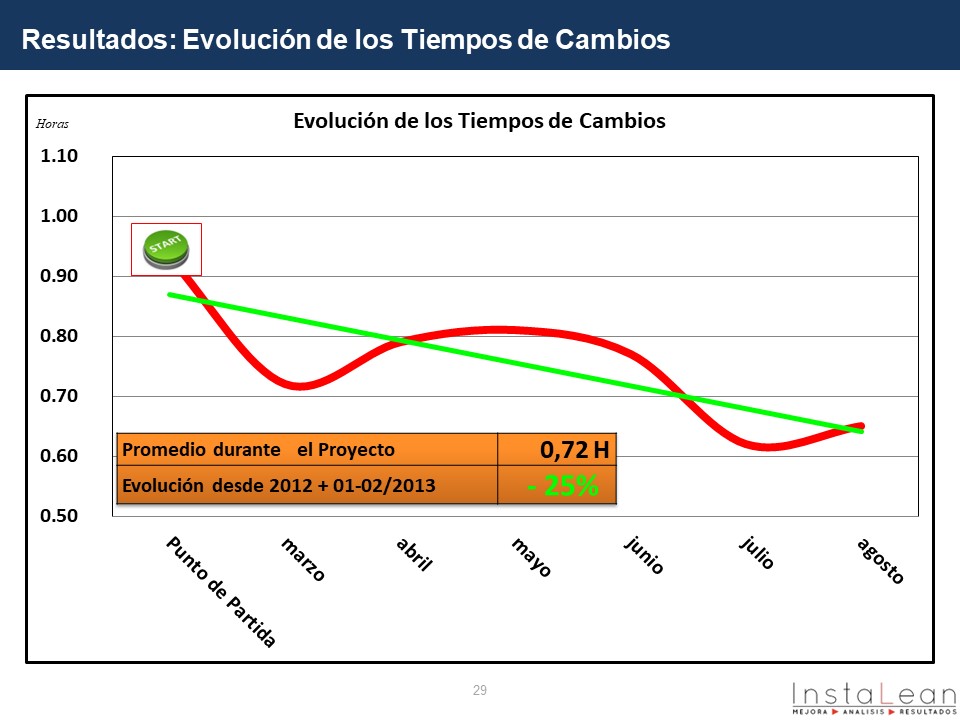
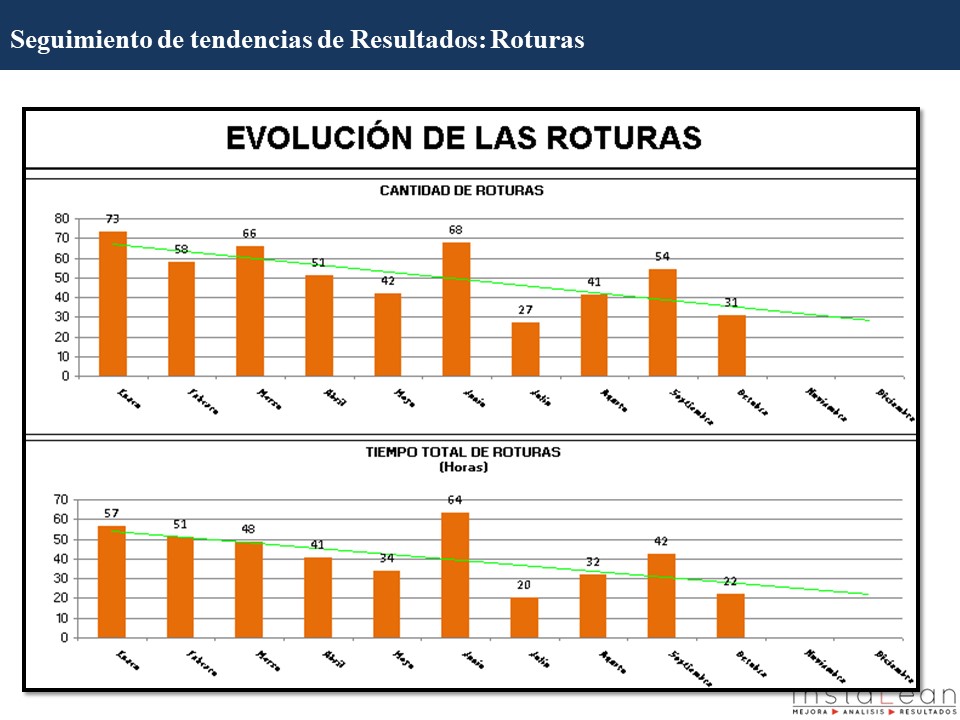
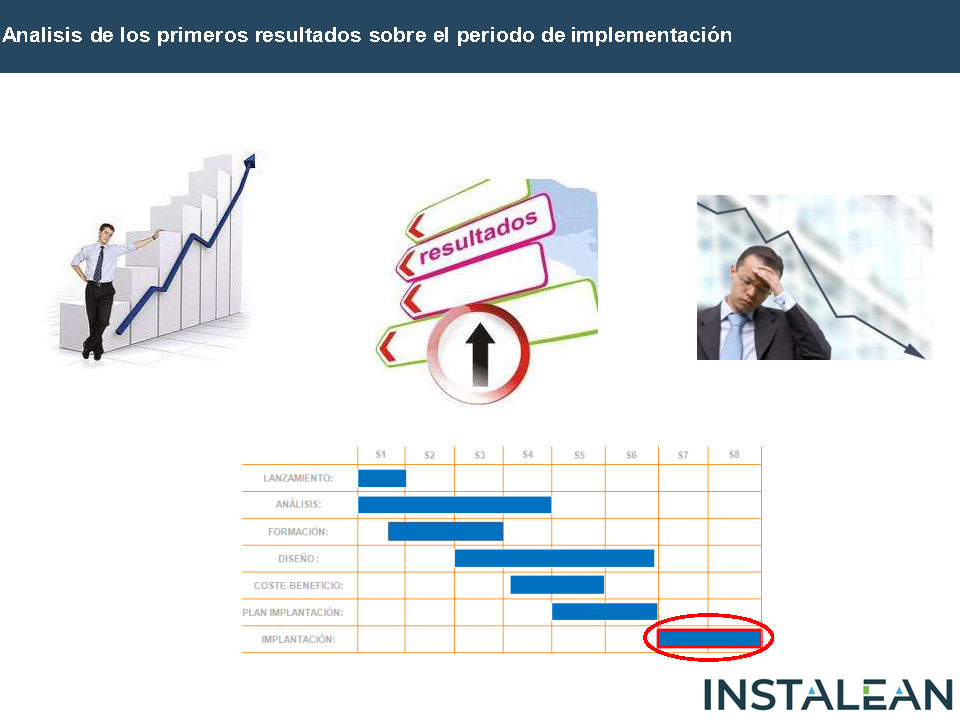
Analysis of the initial results regarding the implementation period
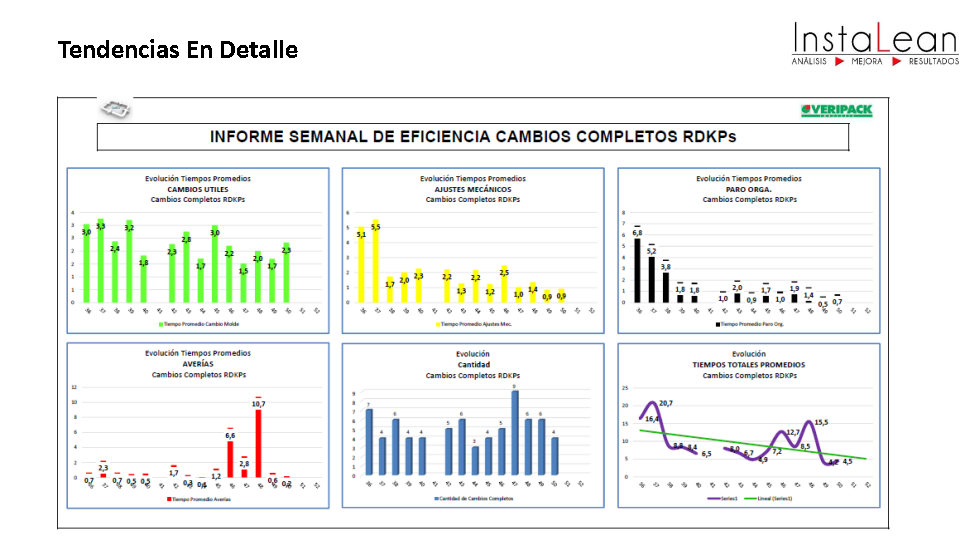
Coating Trends 2012 1
Evolution of changes C1 White->White
Short-term objectives for the C2 White->White Bi-Co changes.
Short-term objectives for the C3 White->White with Film changes
Short-term objectives for the C5 Black->Black changes
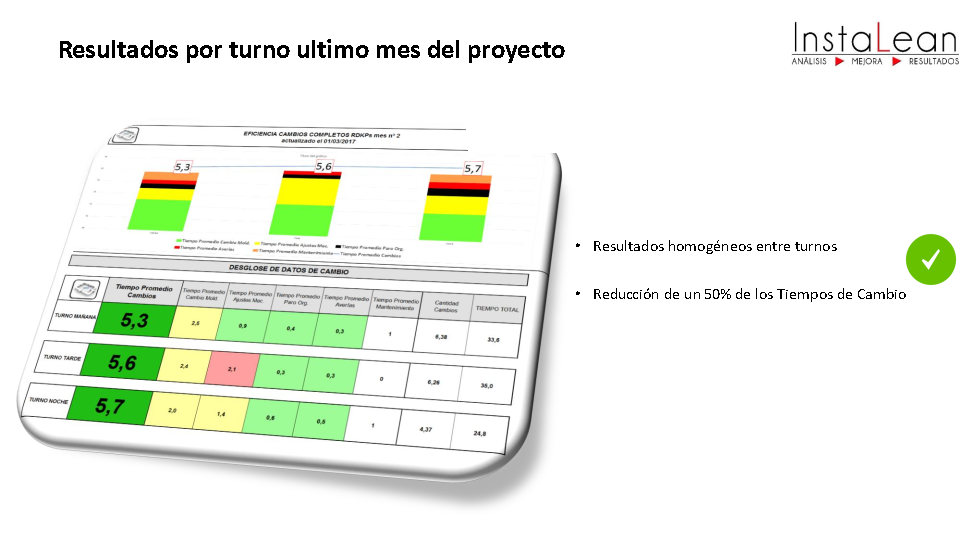
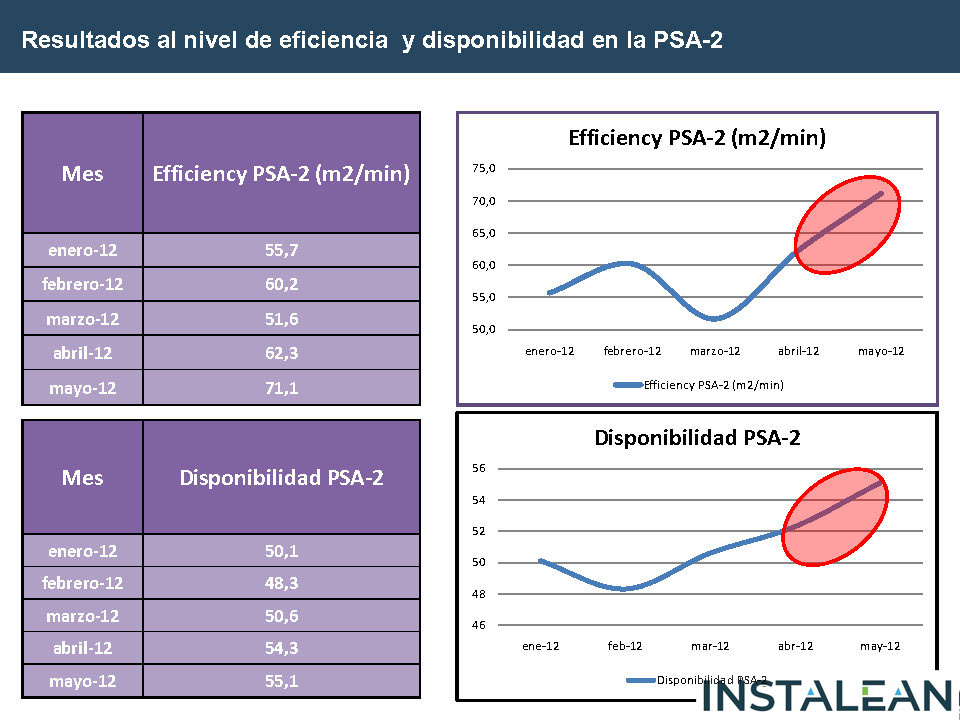
Summary of Results FROM 2/01/2013 TO 17/01/2013
Coating Efficiency January 2013
Short-term future
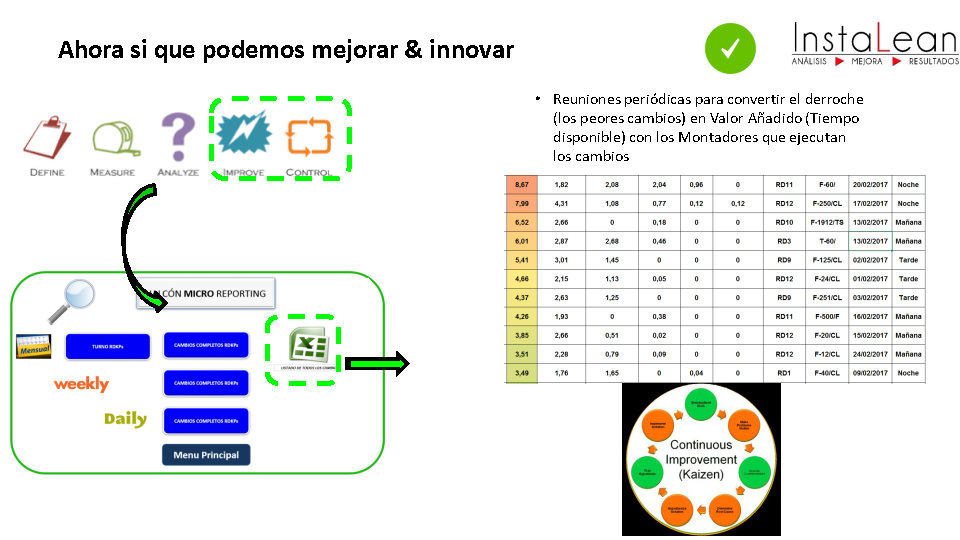
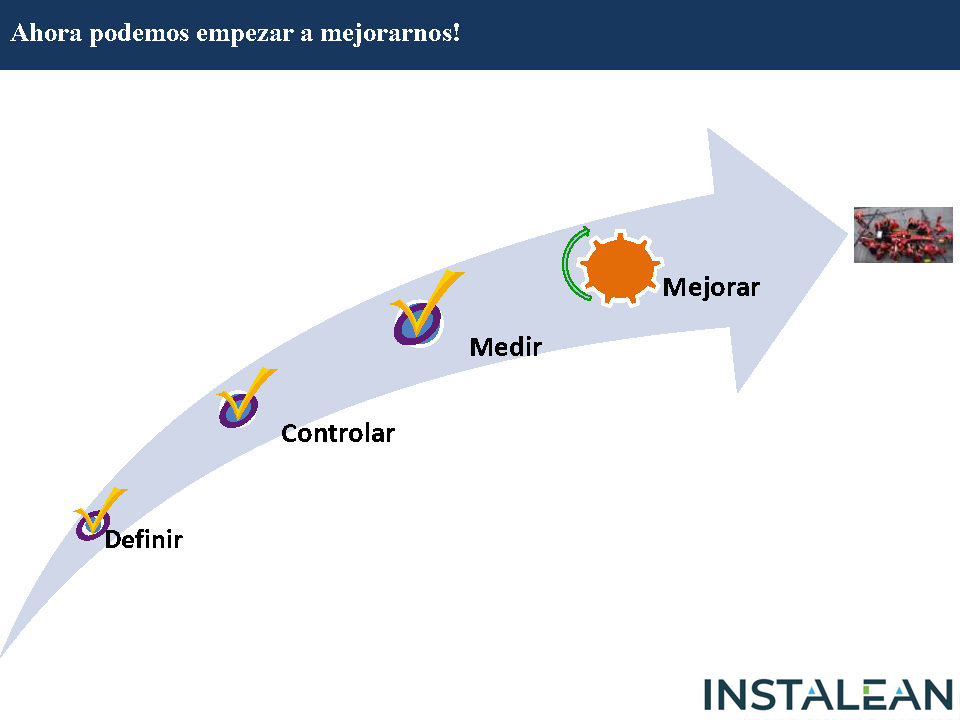
Now we can start improving!
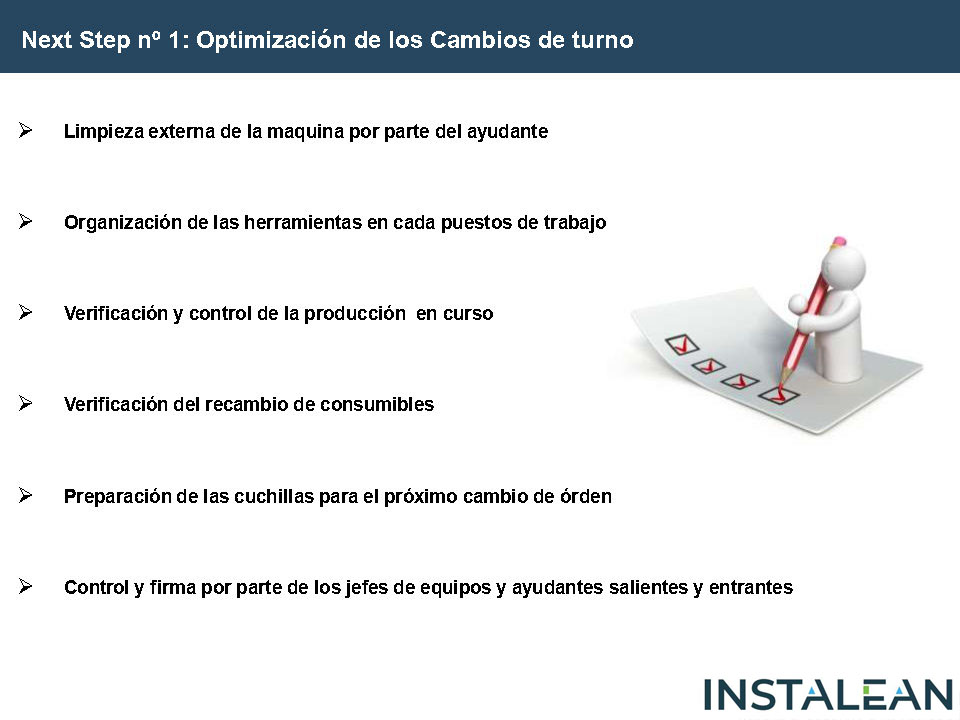
Improvements applicable to all changes
Monitoring Results / Supporting and Motivating Operators
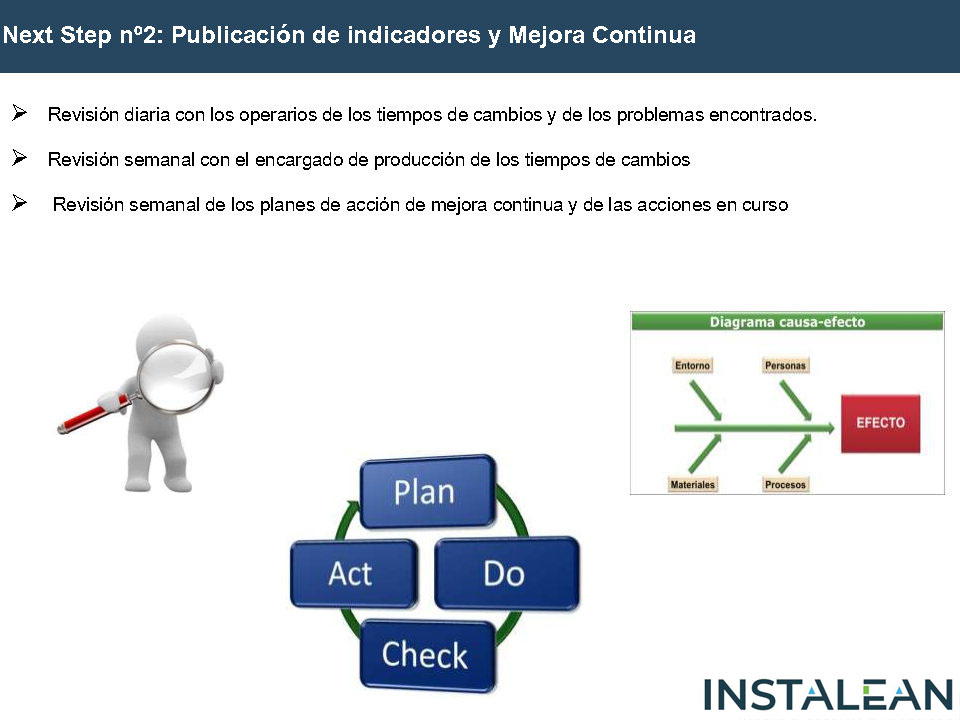
- Daily review with the operators of changeover times and problems encountered.
- Weekly review with the production manager of changeover times.
- Weekly review of continuous improvement action plans and ongoing actions
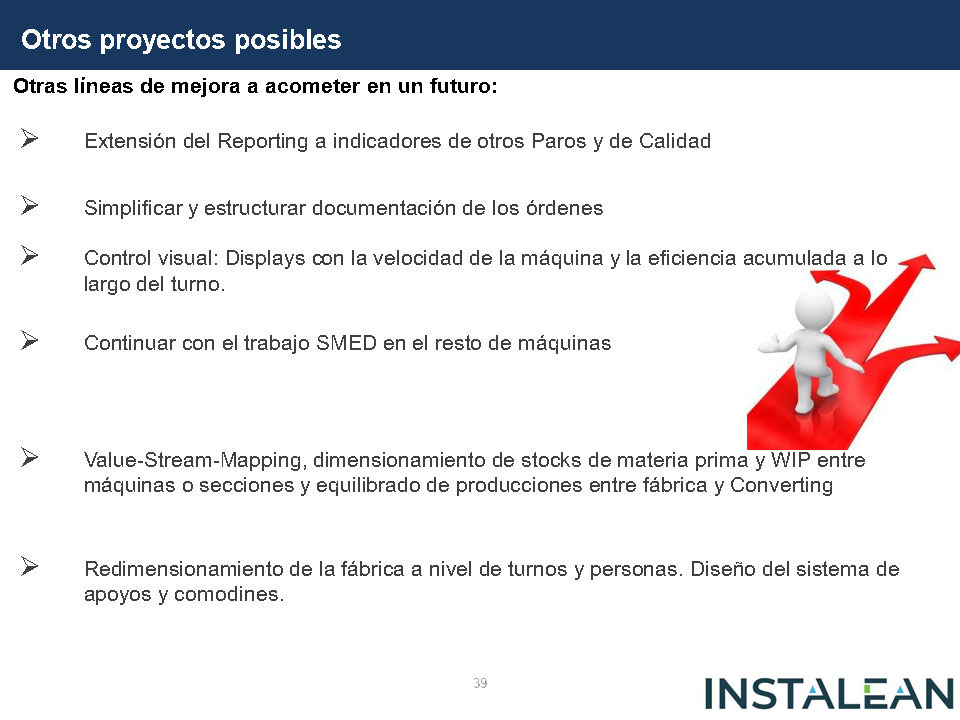
Other opportunities for improvement
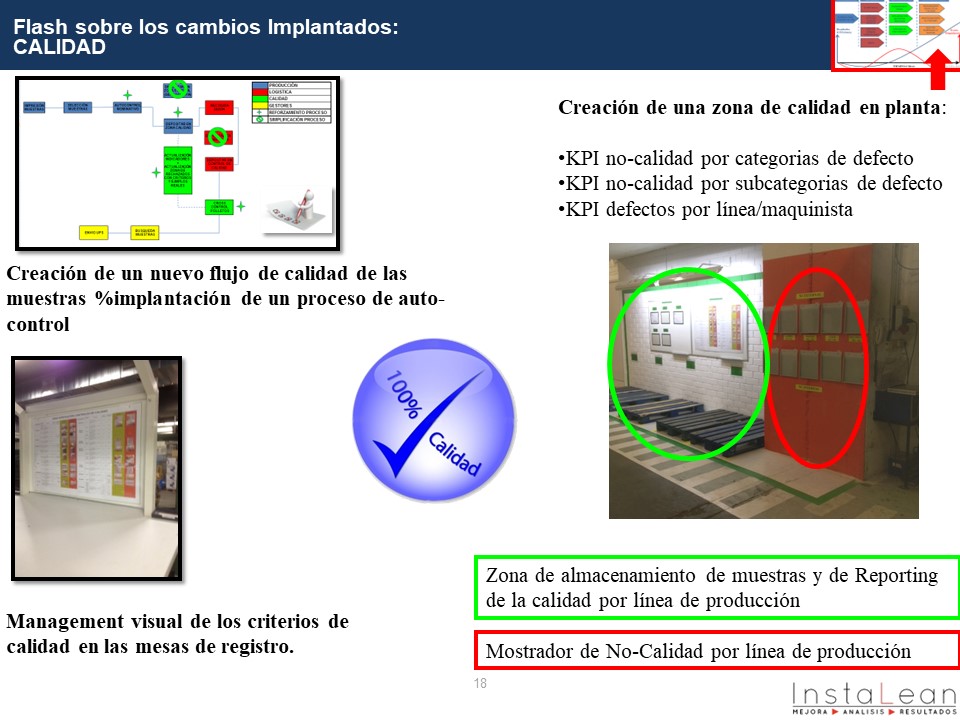
Quality controls
Today, during each type change, we have several sources of waste due to the current strict quality control process:
- Allow uninterrupted production in cases where the production preparation process is controlled
- Analyze uncontrolled production preparation processes
- Having a quality control indicator on the production line
Evaluation of potential material savings with a process change
production start-up
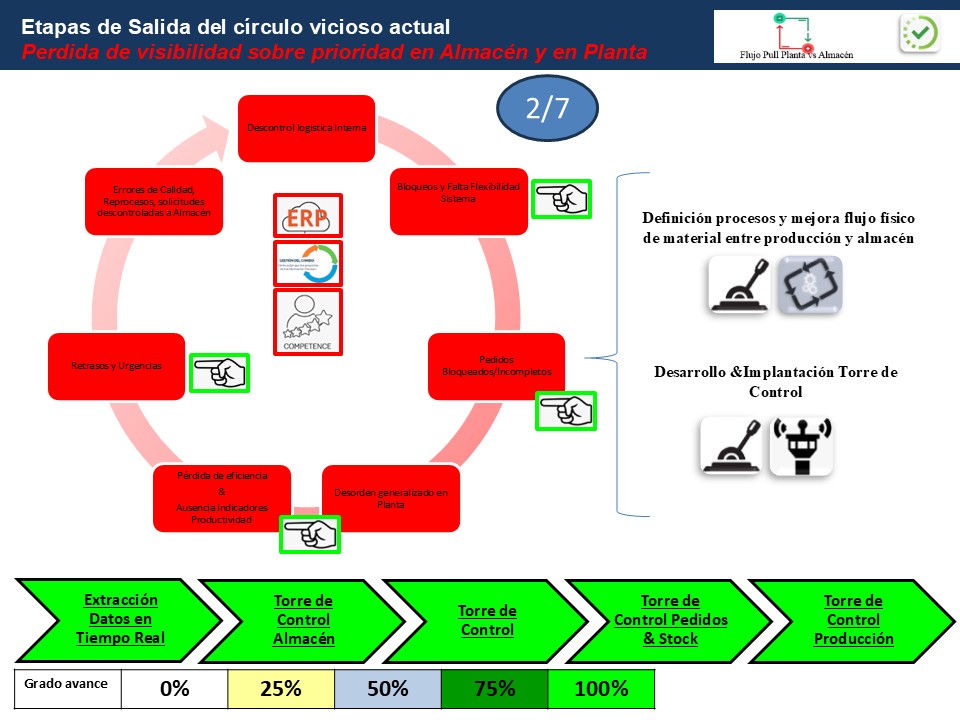
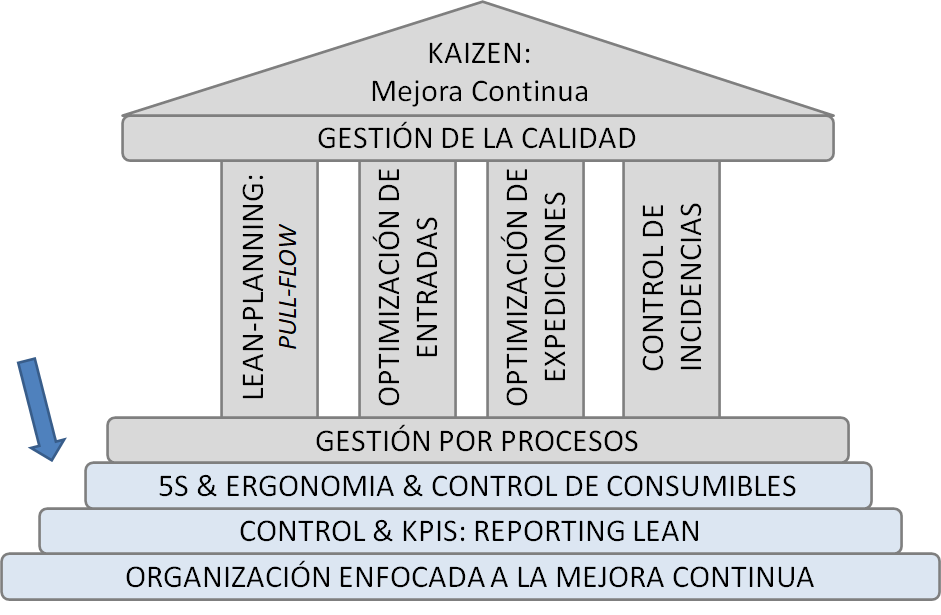
SGA Implantation & Smart Continuous improvement
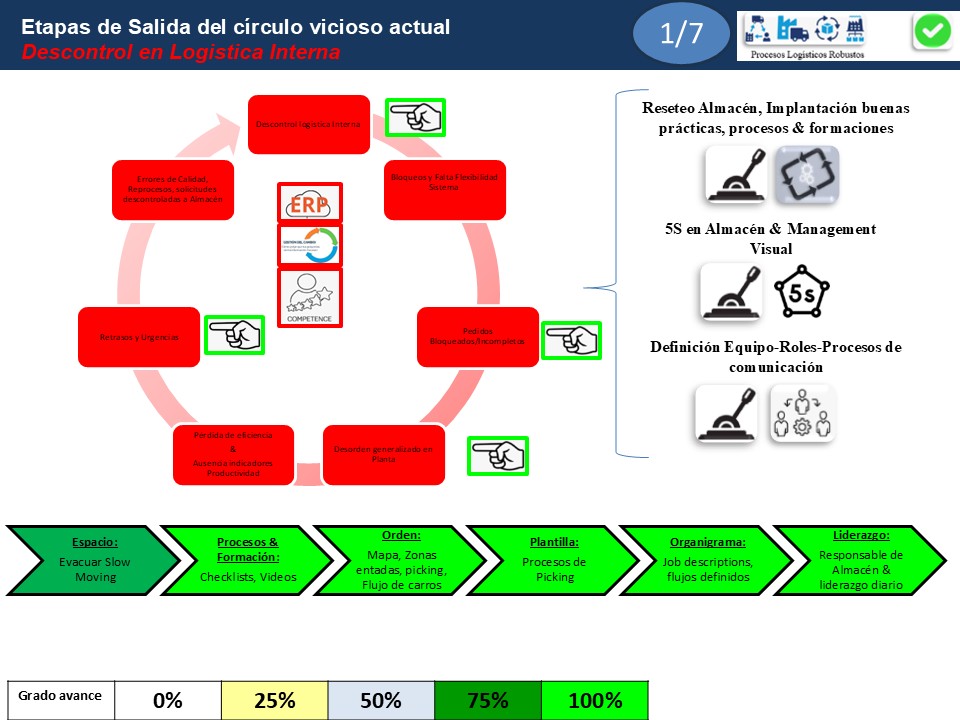
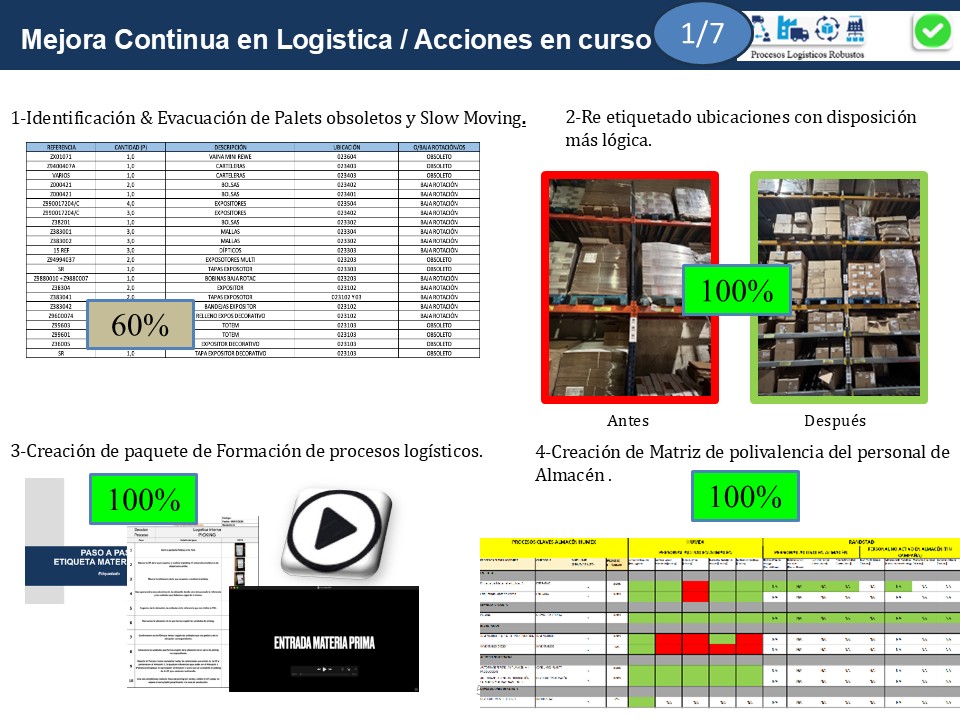
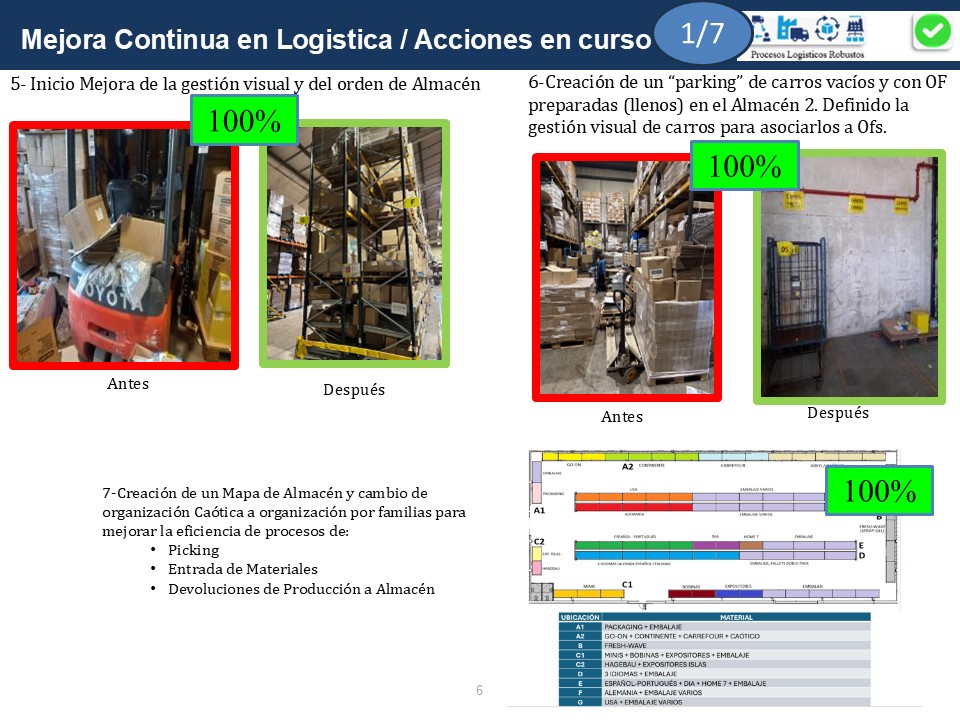
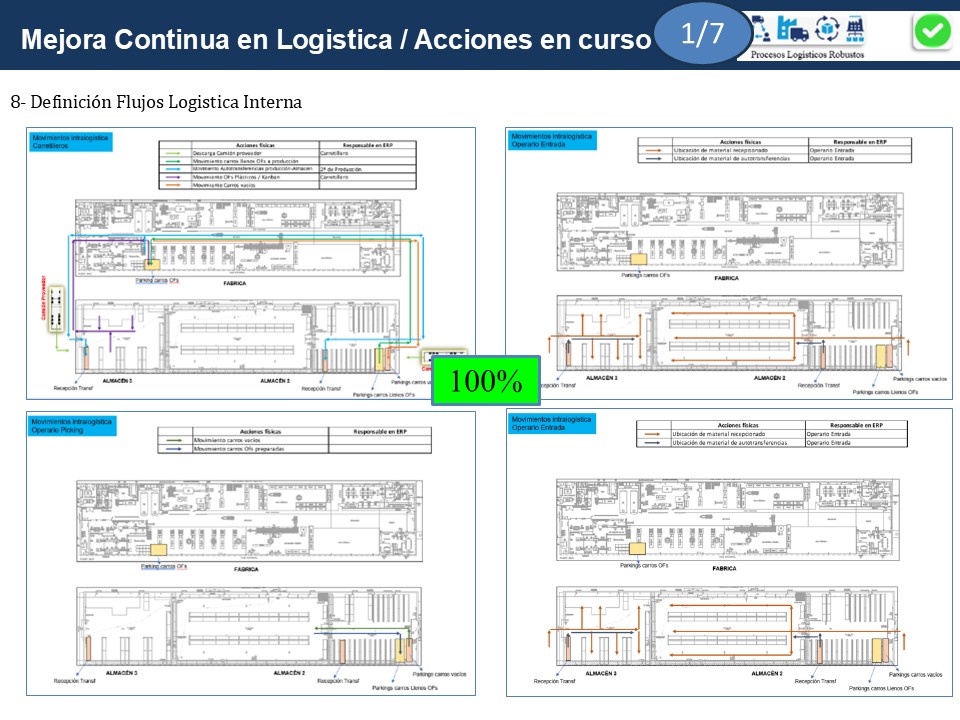
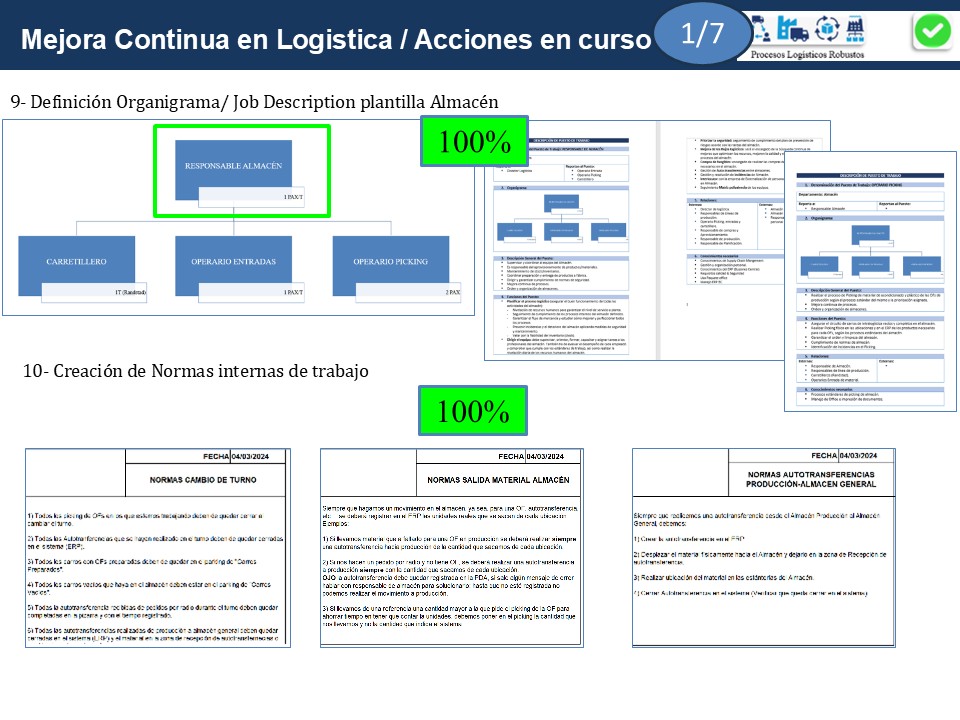
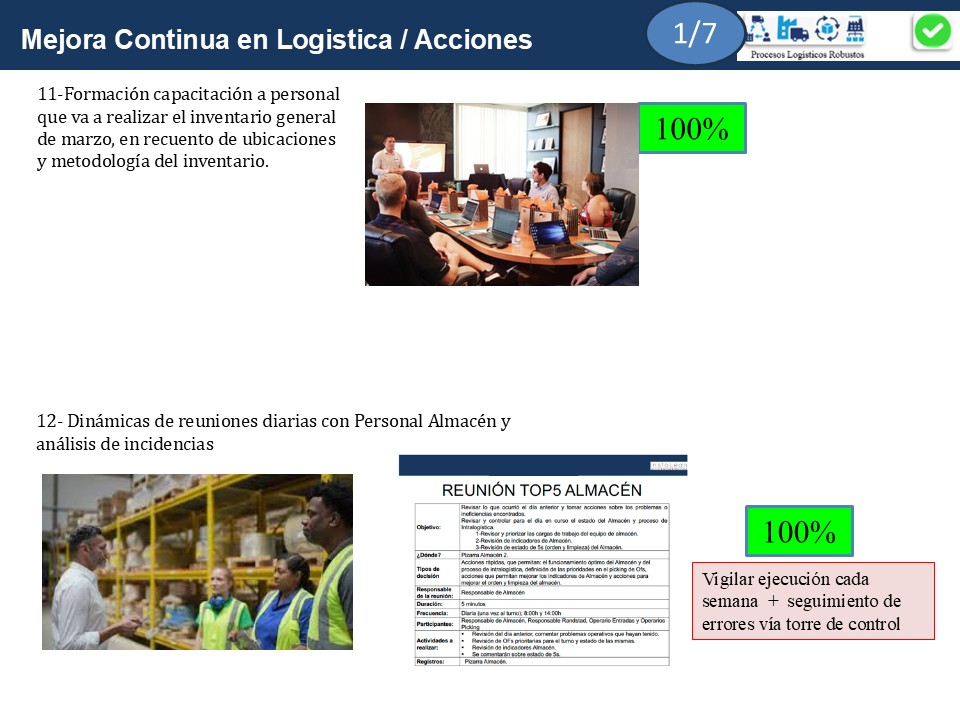
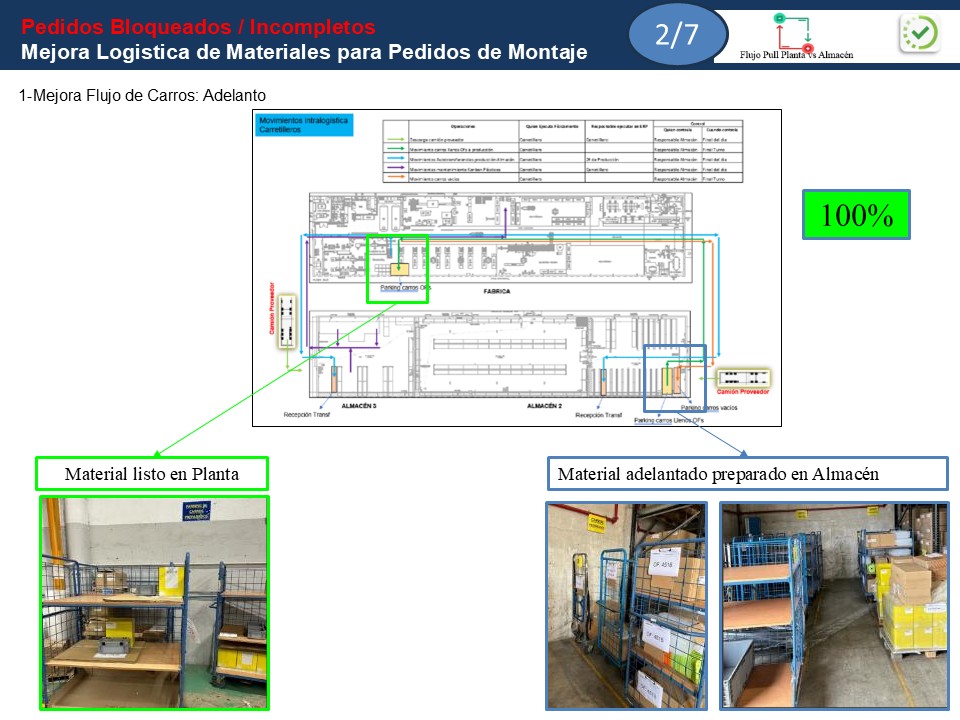
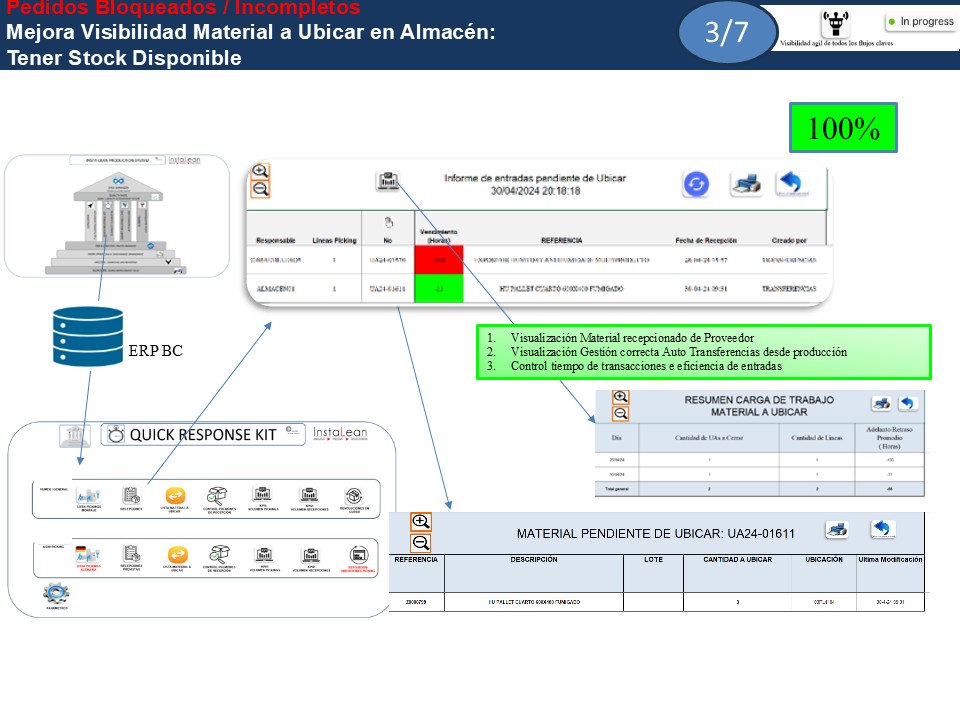
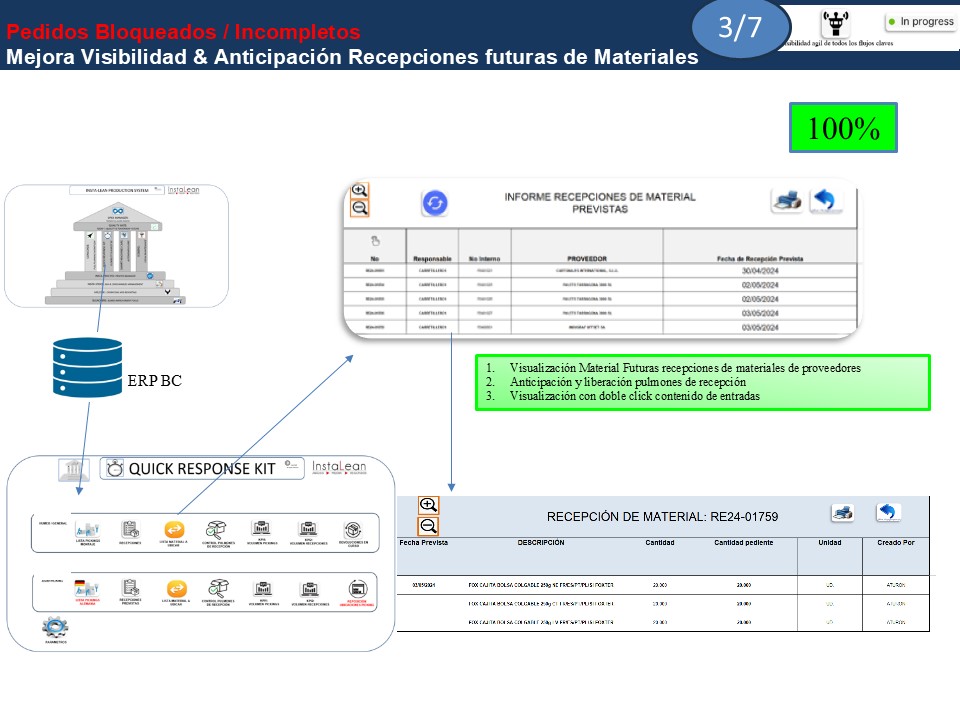
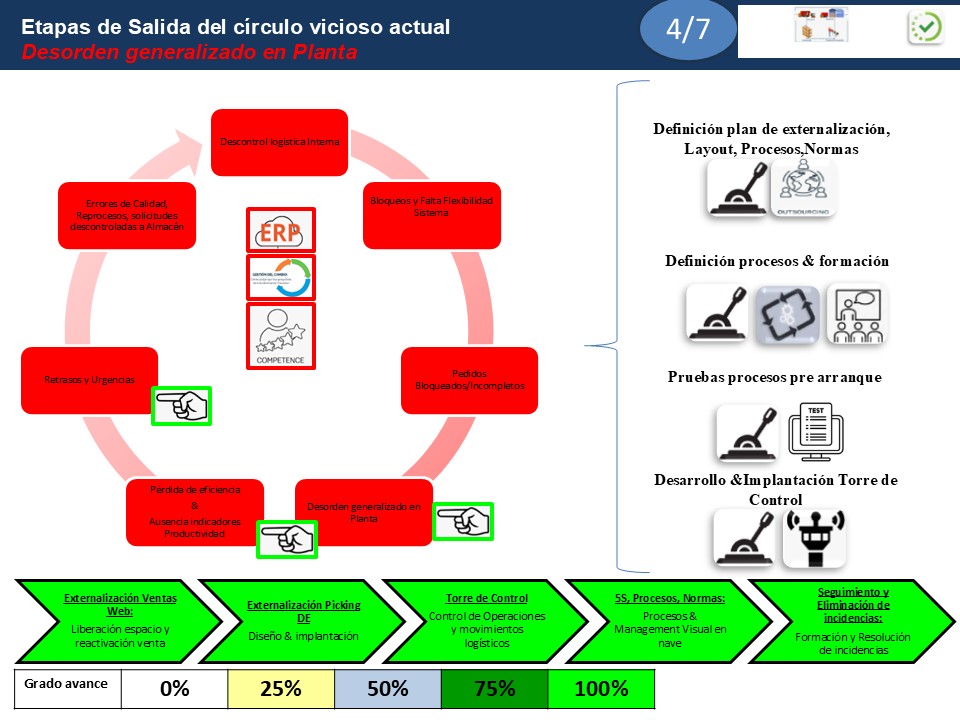
Logistics System created
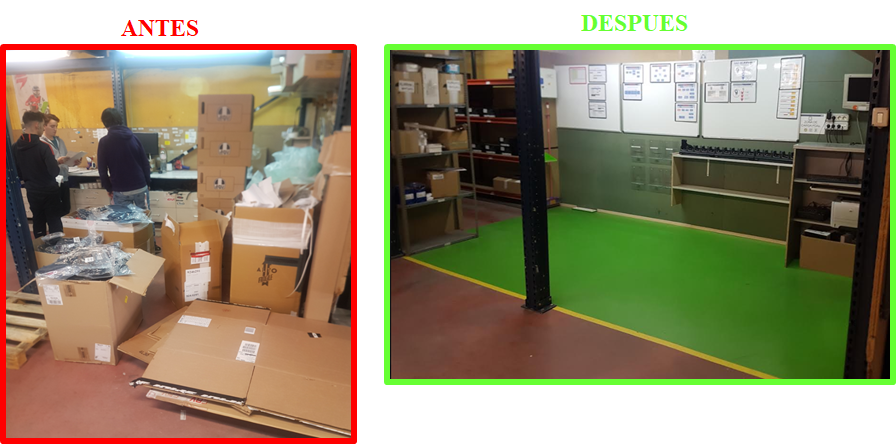
Creation of a Communication & Training Zone
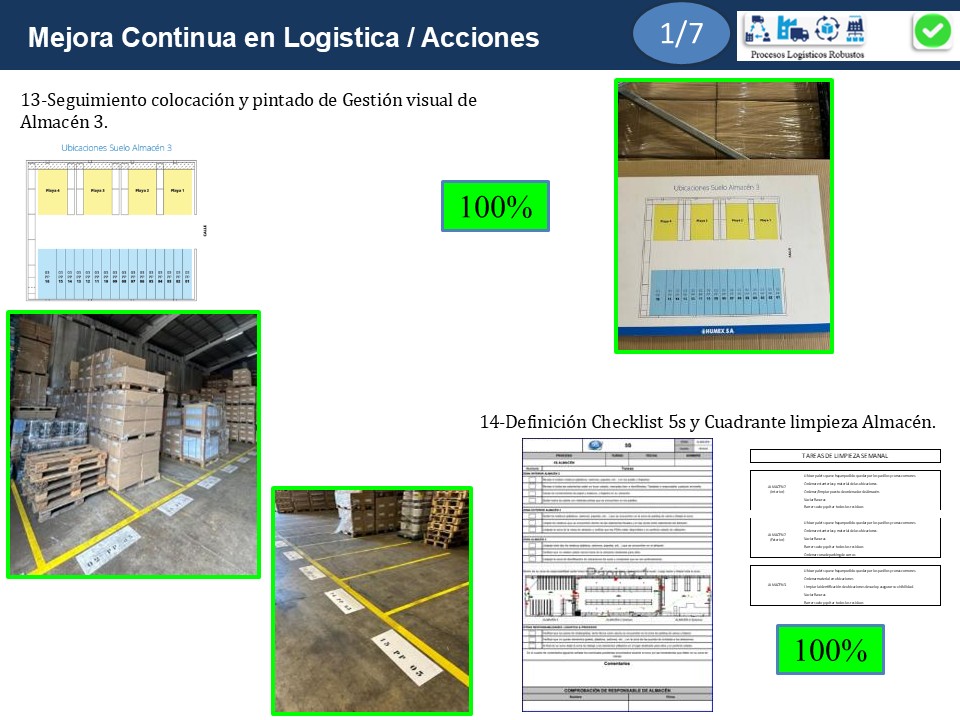
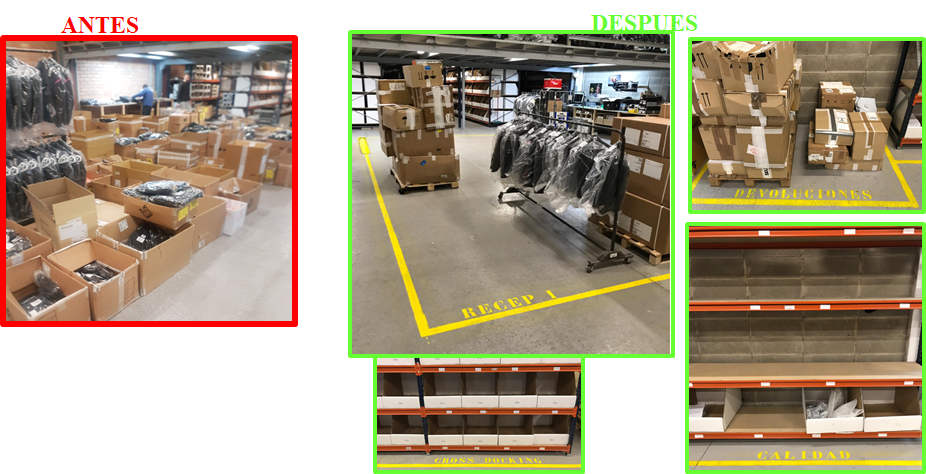
WAREHOUSE ENTRANCE
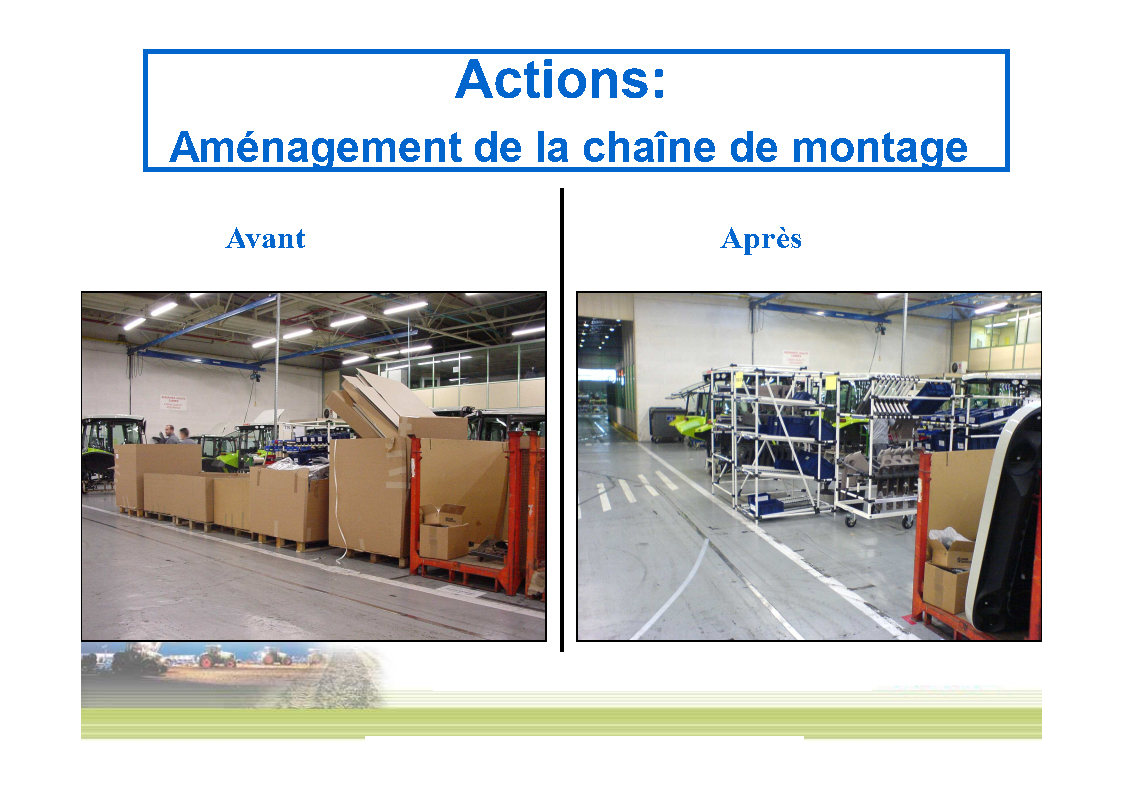
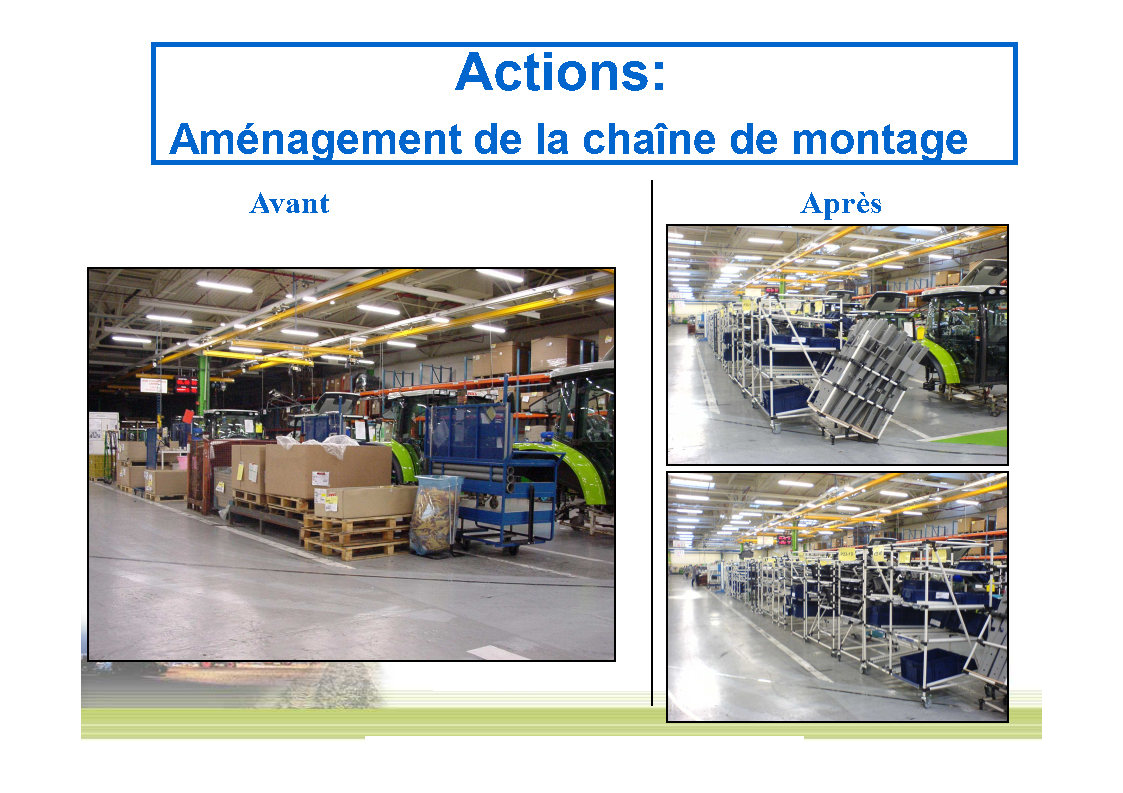
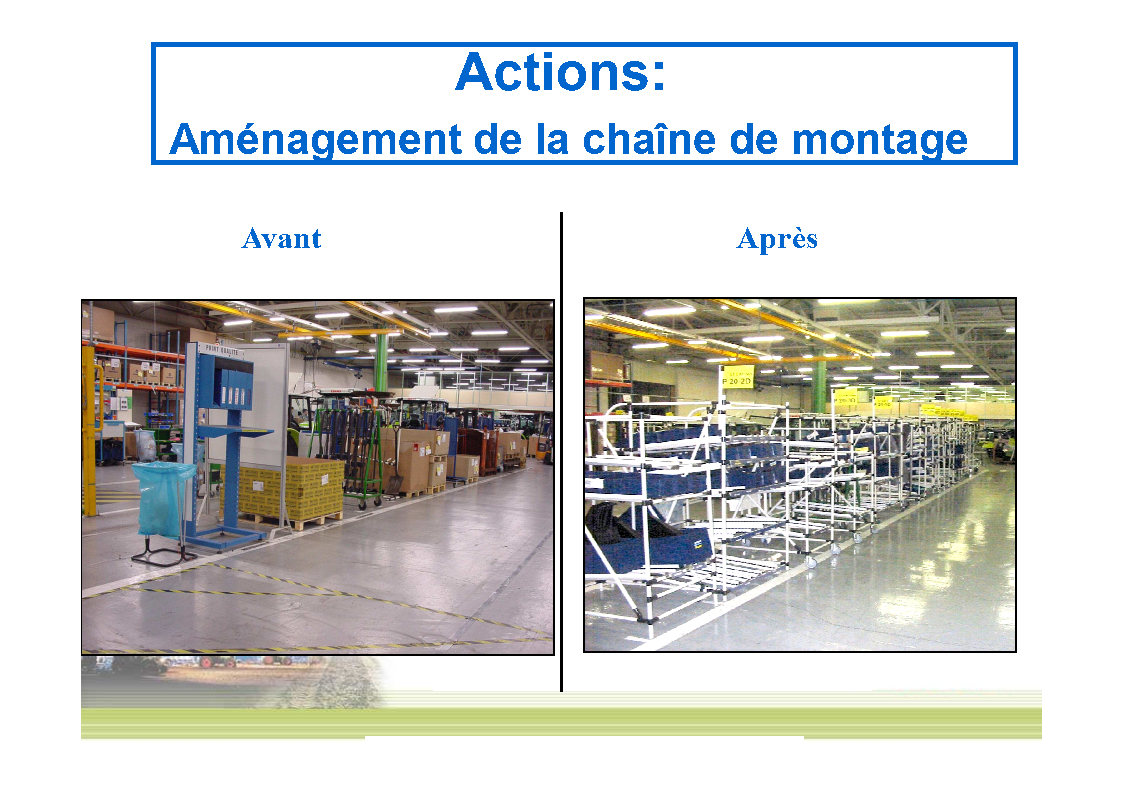
Space optimization
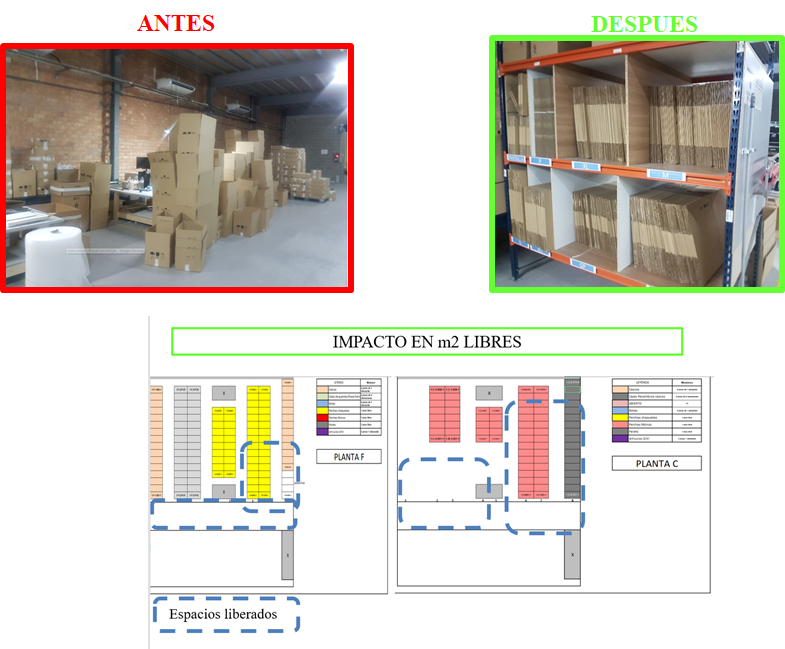
Adaptation of a reception hall to standards
With increased reception capacity >50%
WAREHOUSE 3: SUPPLIER MATERIAL RECEIPTS
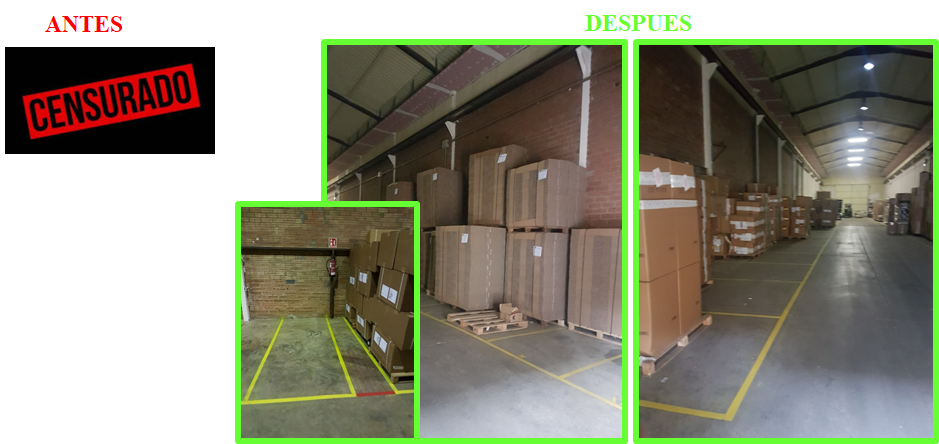
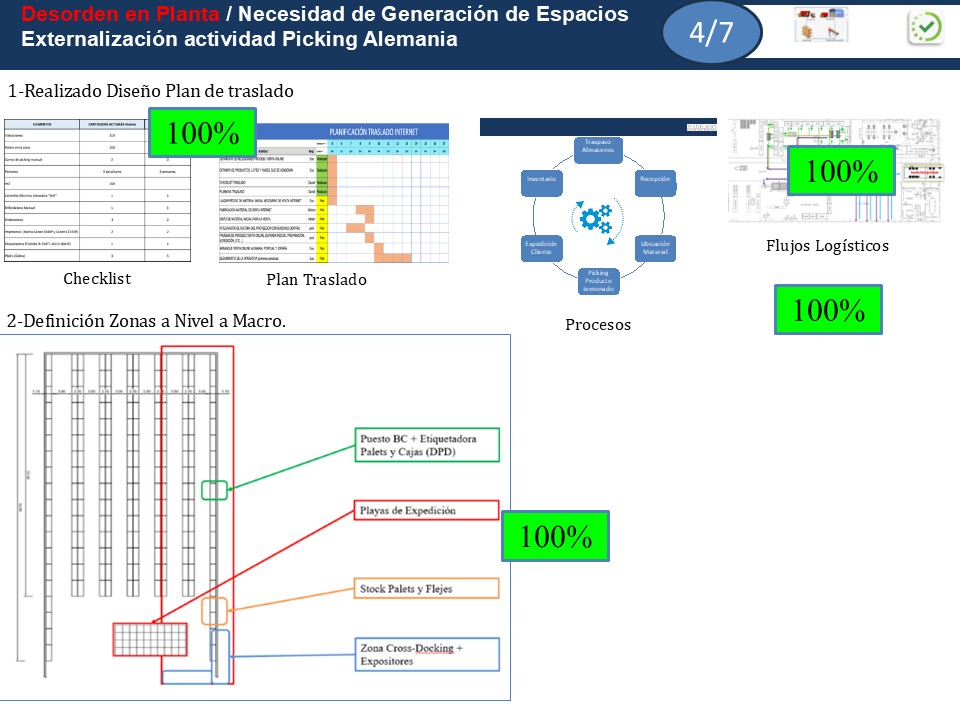
Implementation of Reception Zones
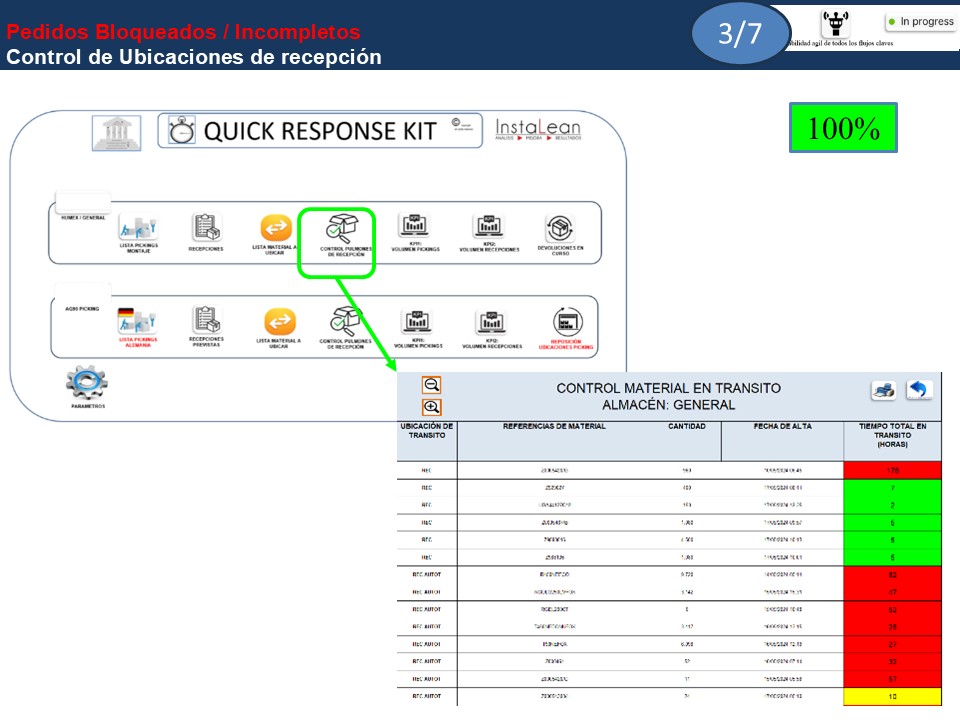
Incoming Quality Control
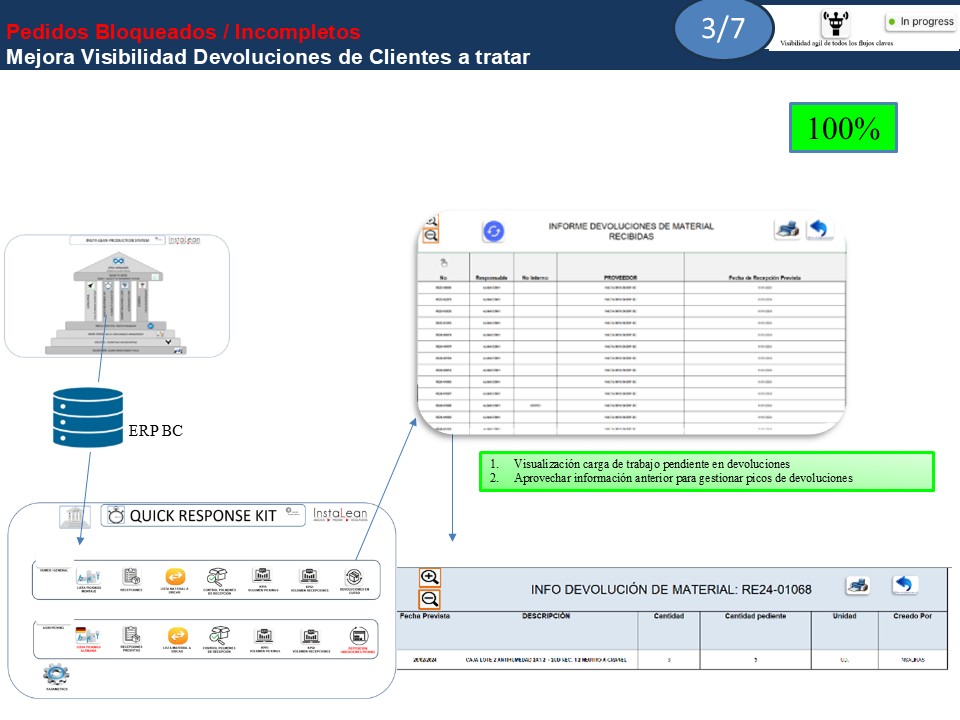
Cross Docking and Reverse Logistics
STORE TICKETS-RETURNS-RECEPTIONS
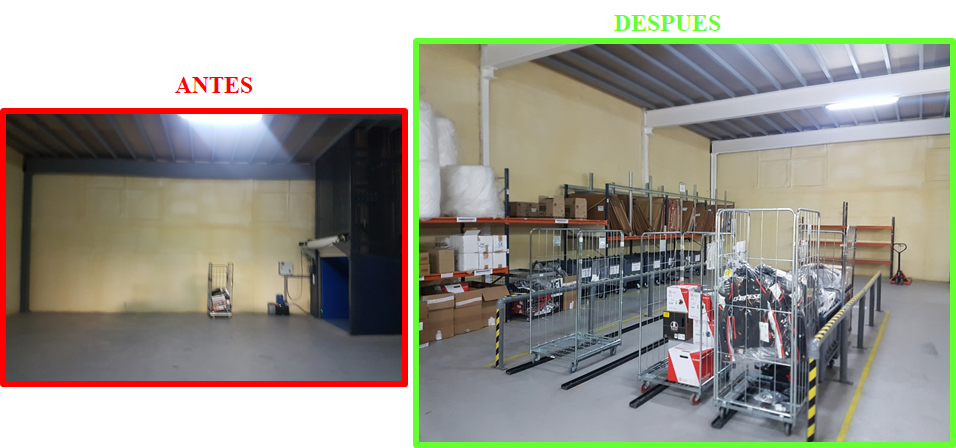
Implementation of Expedition Lungs to support a production increase >100%
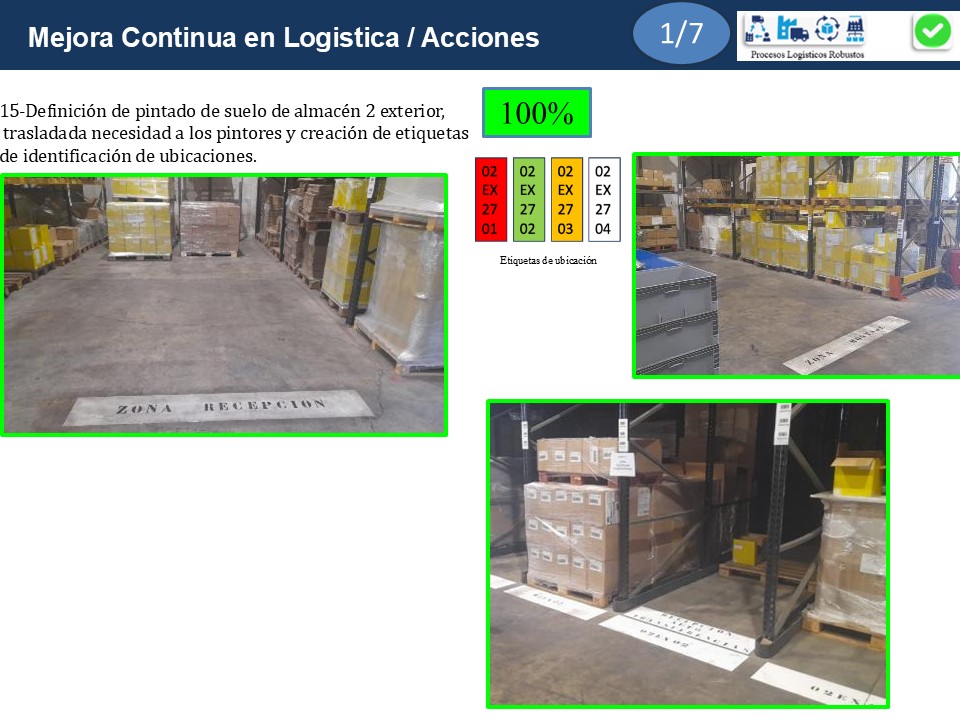
EXPEDITION ZONE
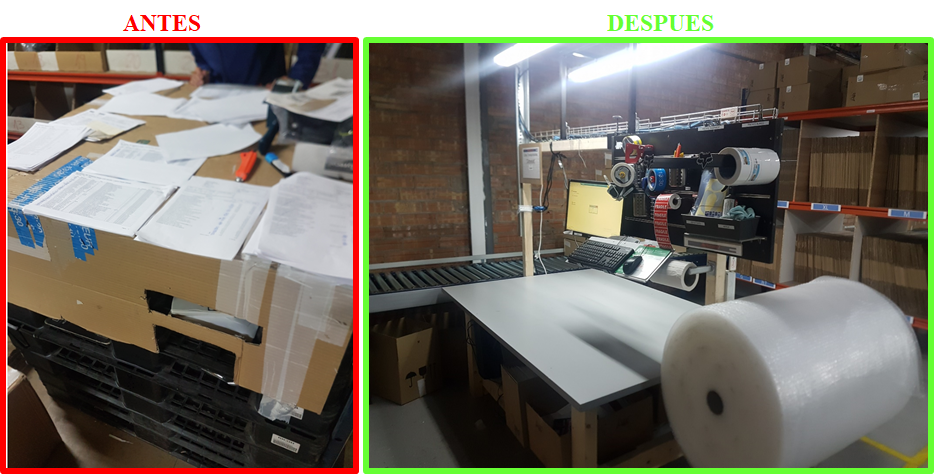
Creation of shipping positions at the level of Lean Logistics standards
MULTI-WORKSTATION
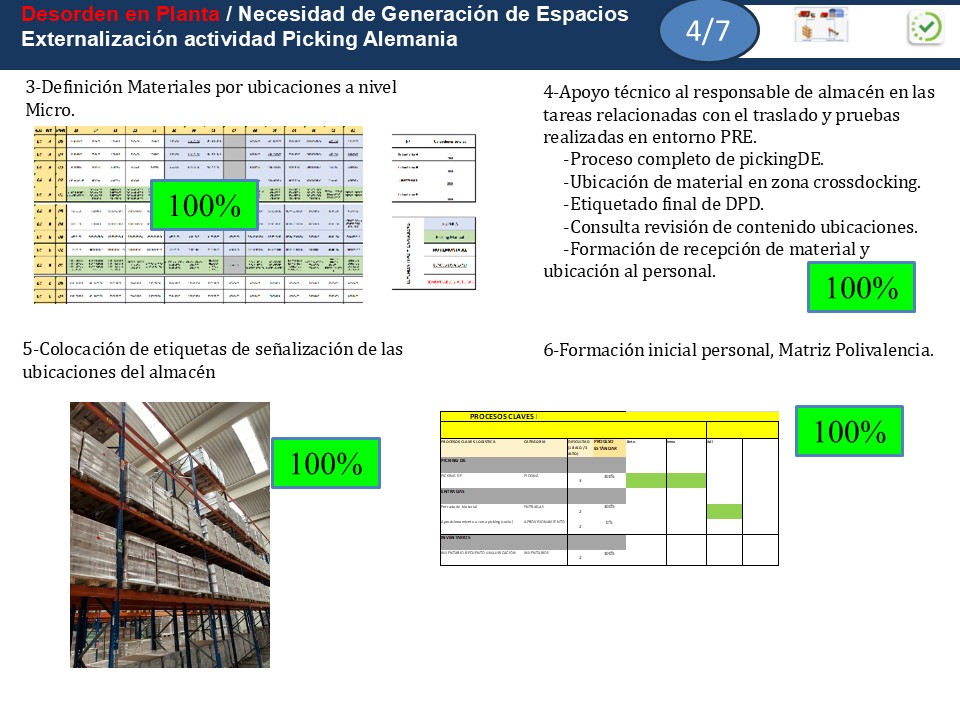
Logistics System created
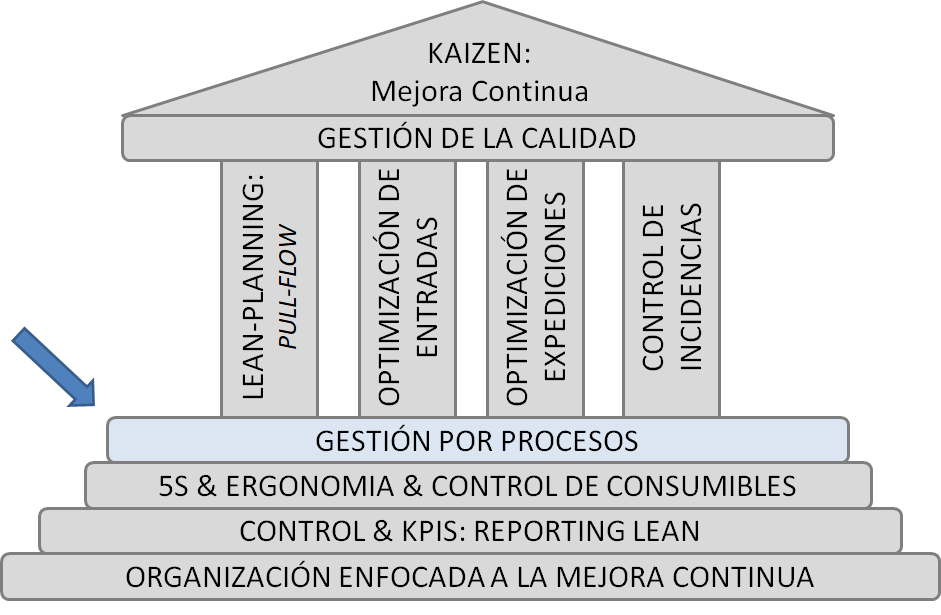
Definition of Future Processes & Training & Implementation
of agile support tools
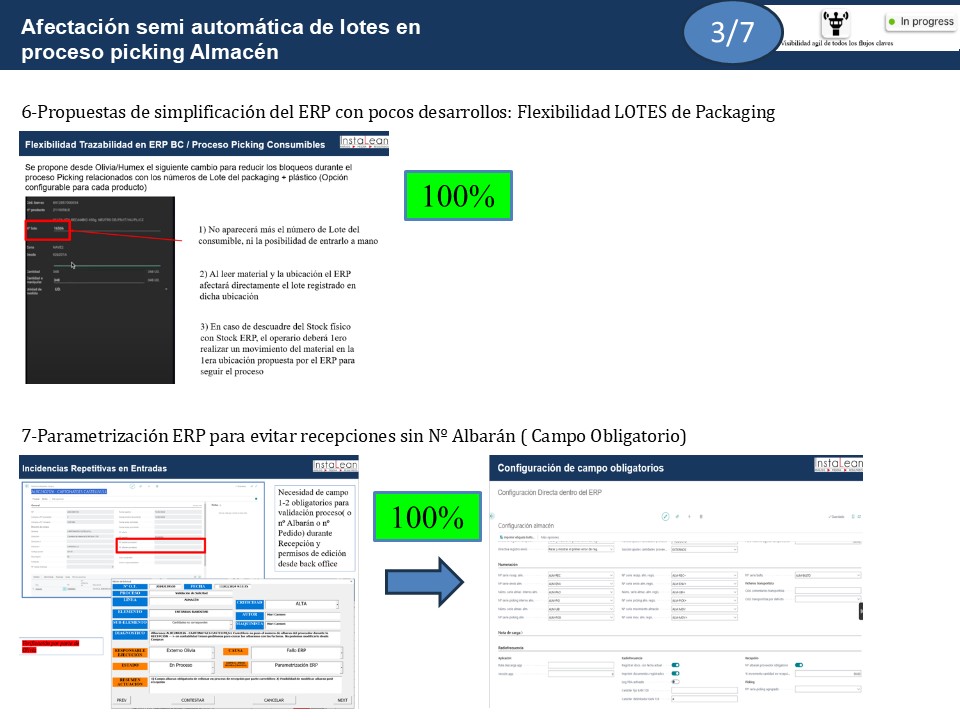
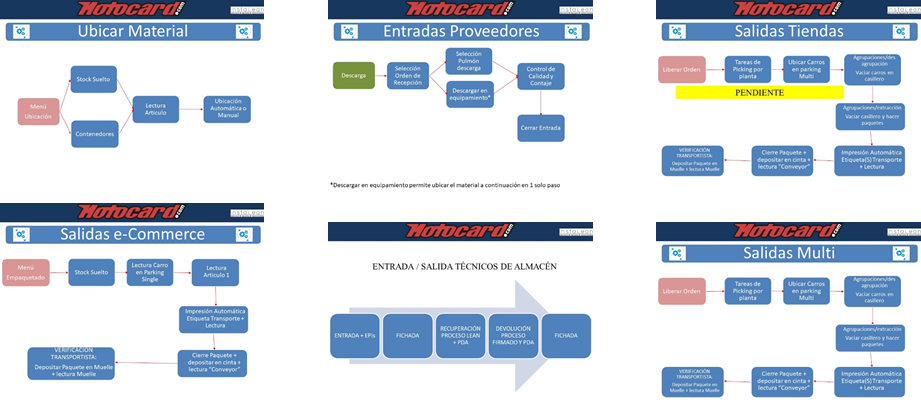
Adapting the WMS to Motocard's needs
DEFINITION OF PROCESSES
Practical training and training videos
STAFF FORMATION
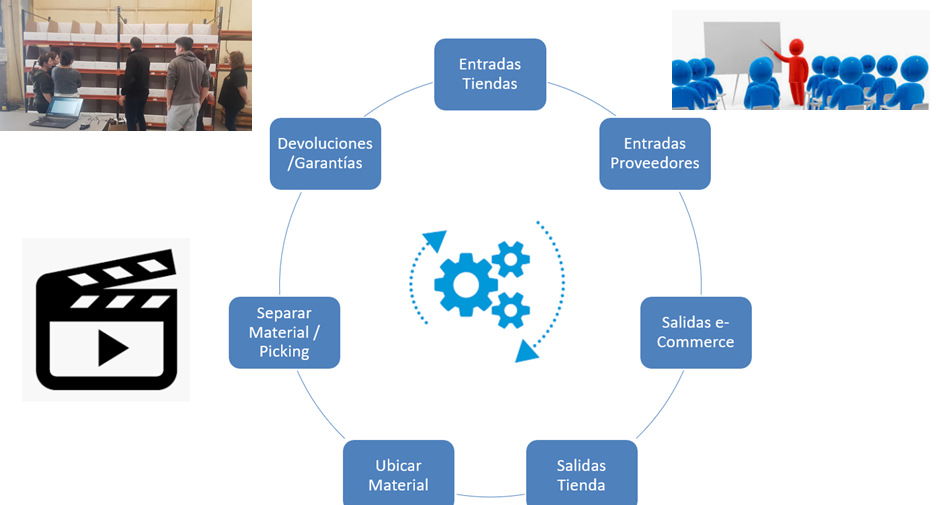
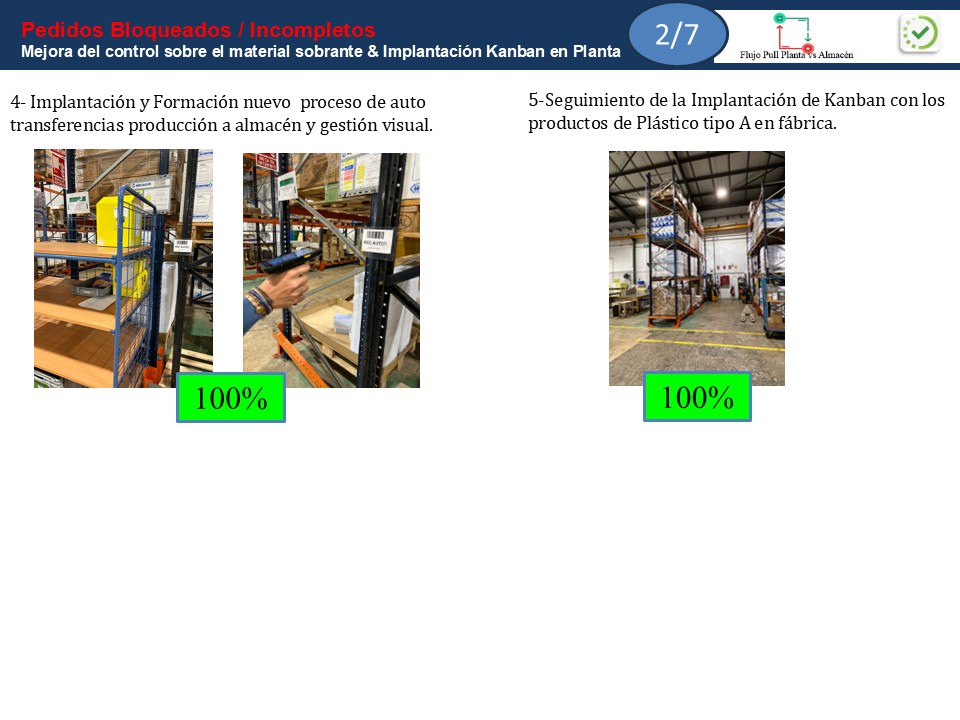
Integration of training videos for each process into tablets to reduce training time for new staff
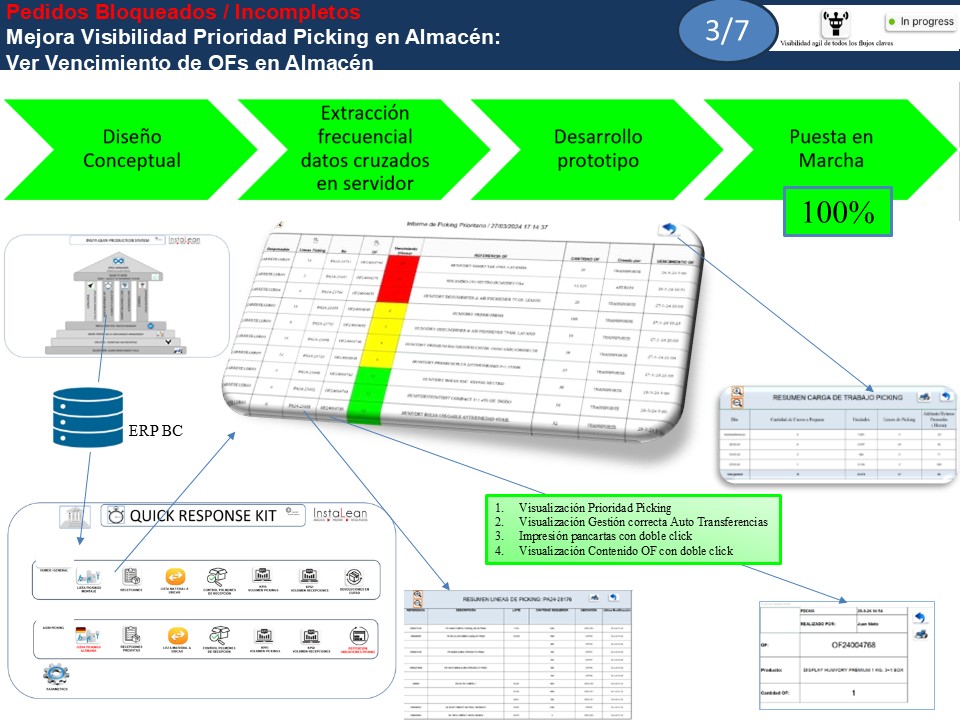
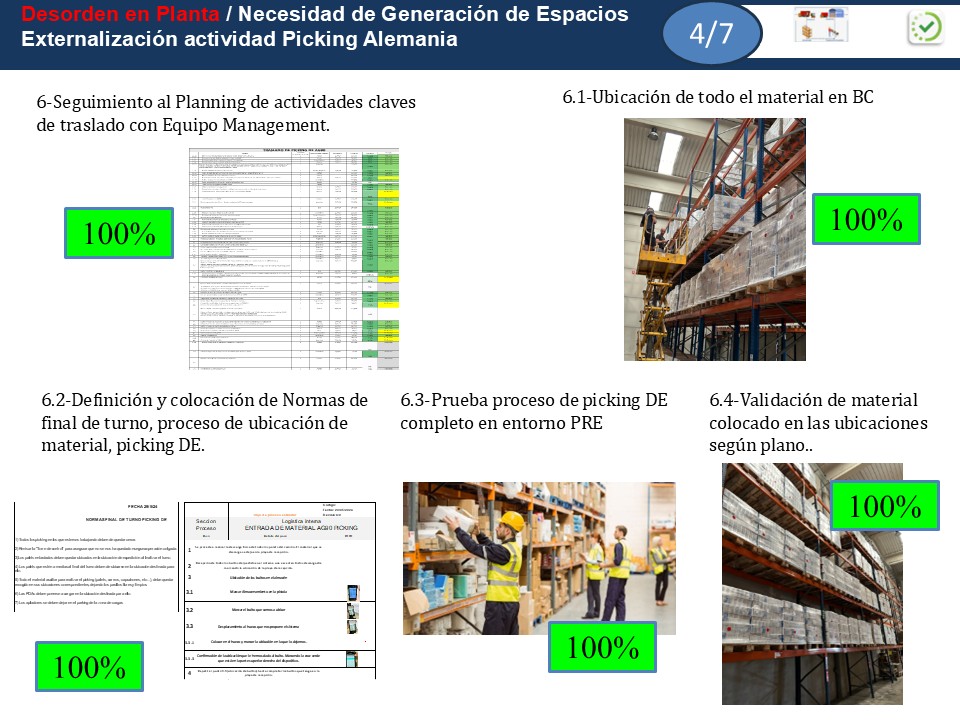
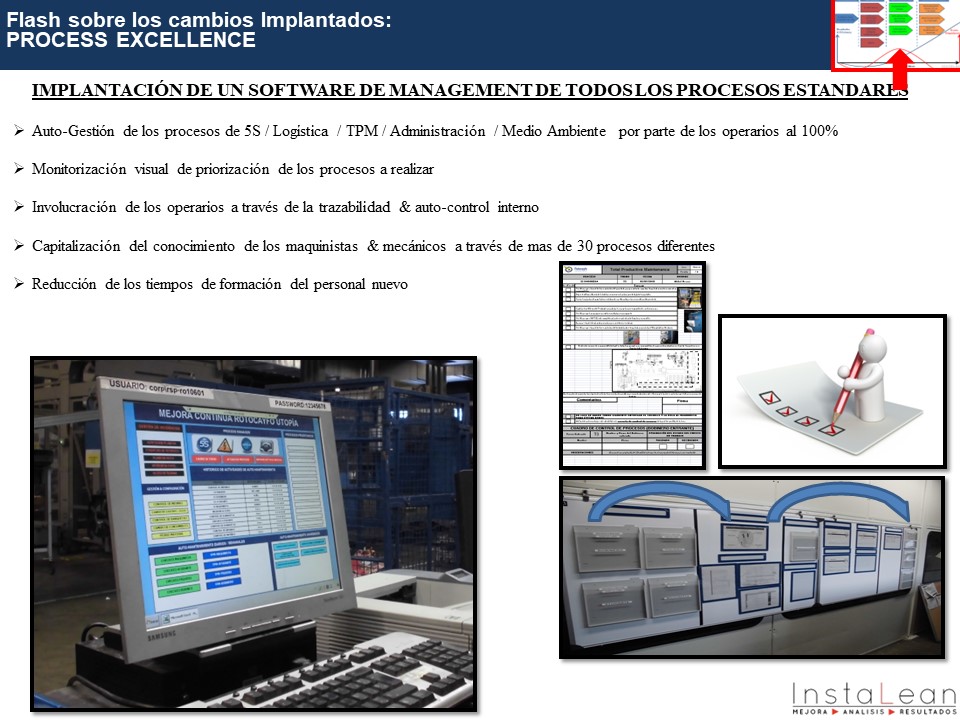
Agile Support Tools: Insta-Process
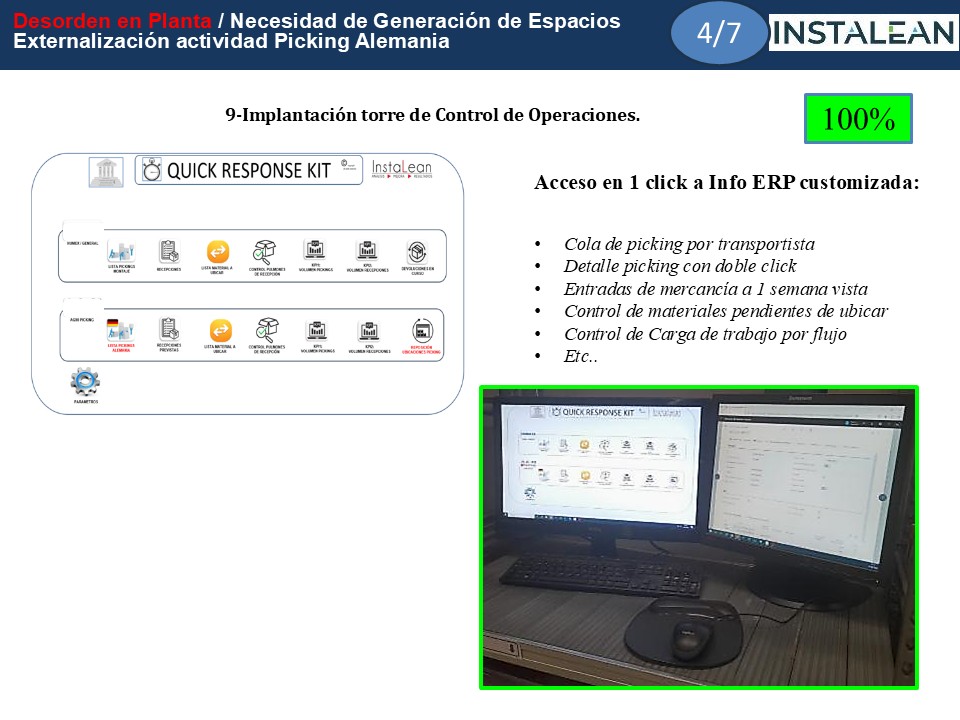
Implementation of a Process Manager to cover the Hardware aspects of the Warehouse using Checklists:
- Provision of Milkrun-type consumables
- Quality Zone Control & Decision
- 5S by Job Position
- Personnel Management Tasks for Future Team Leader
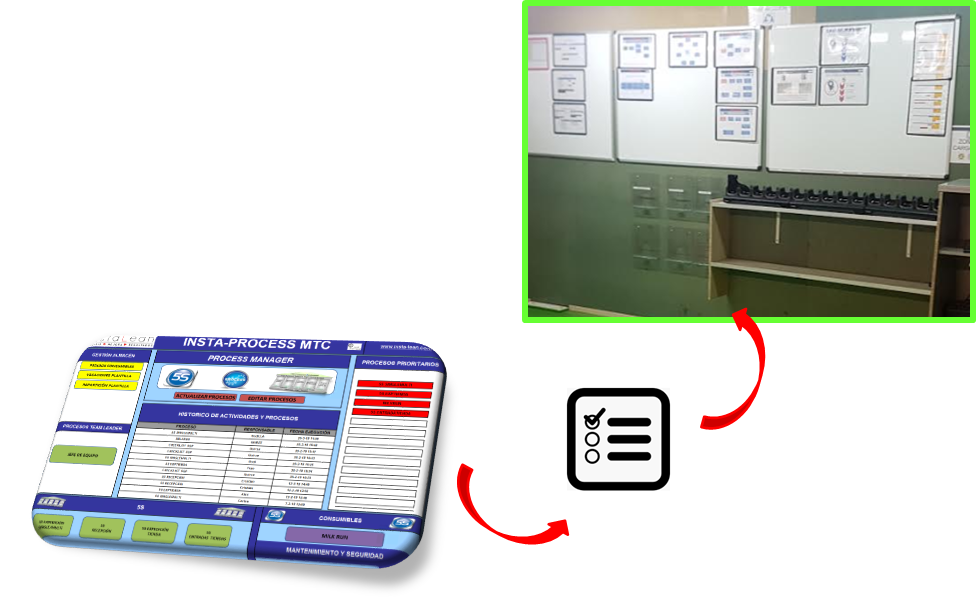
Logistics System created
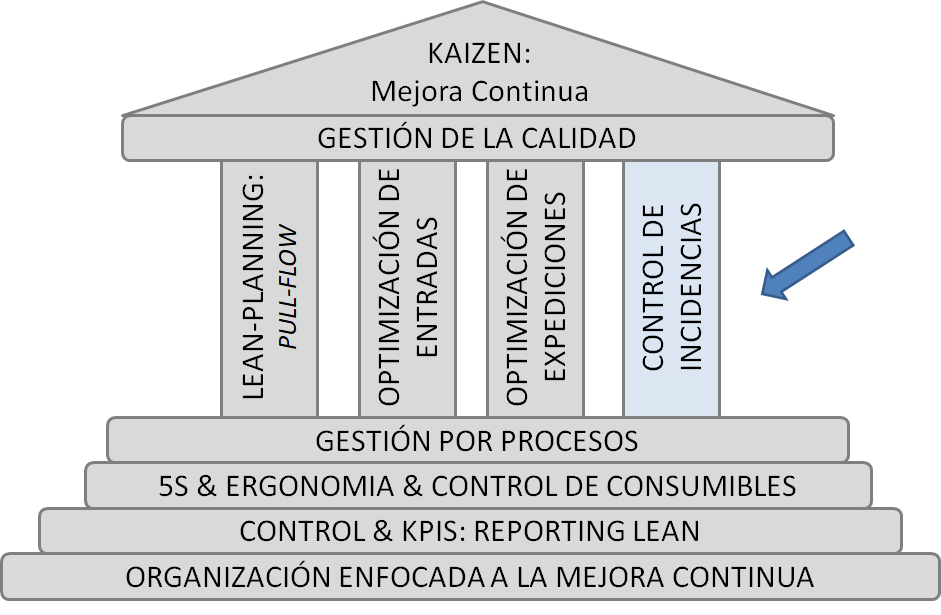
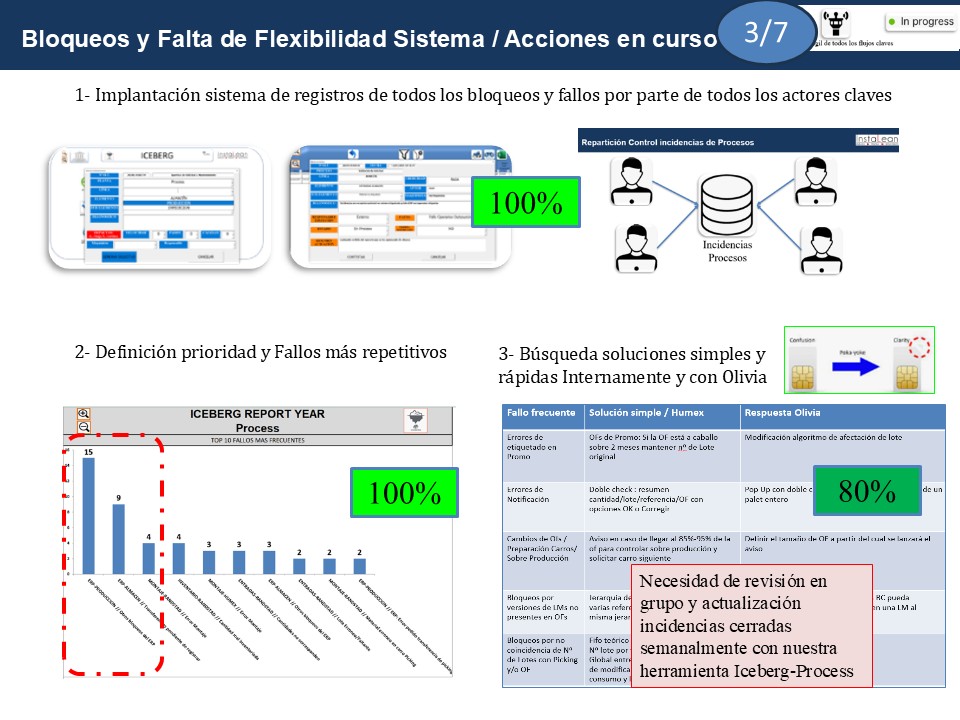
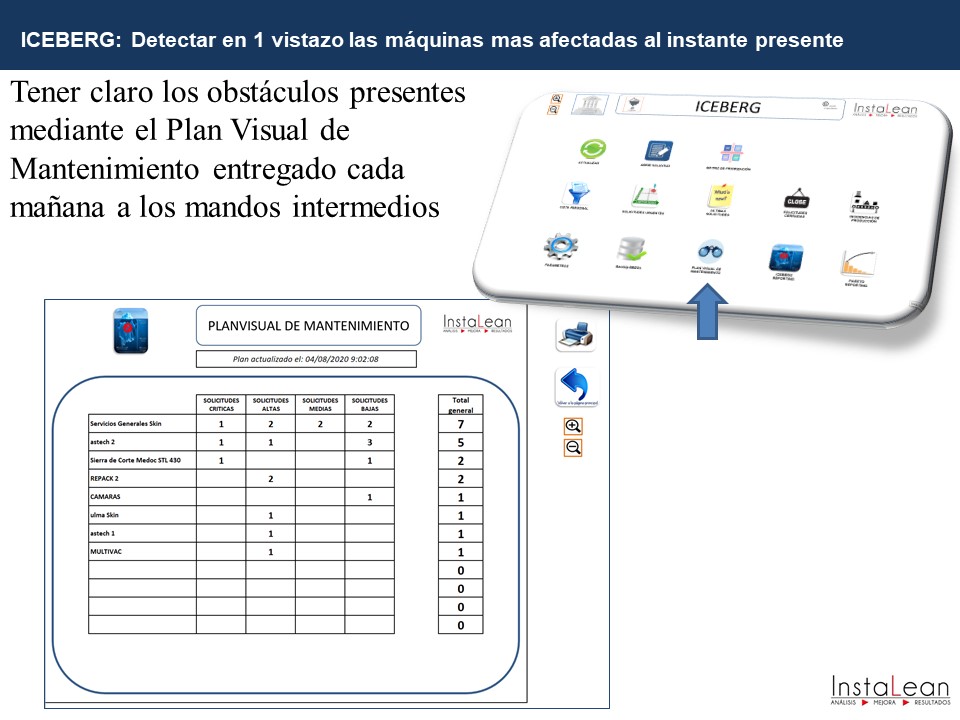
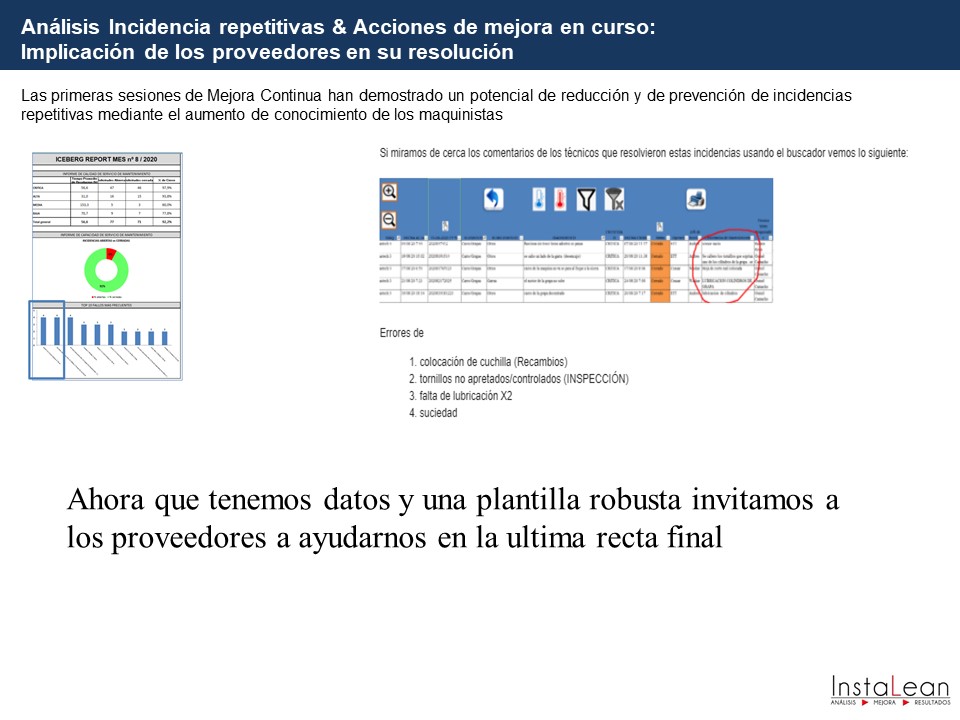
Agile Support Tools: Iceberg
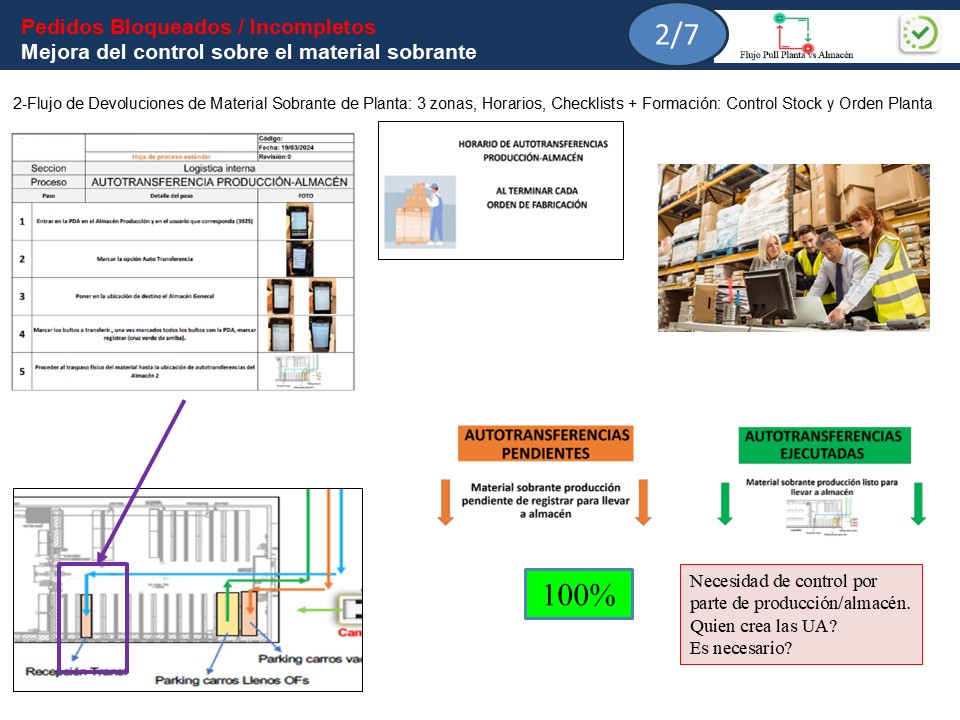
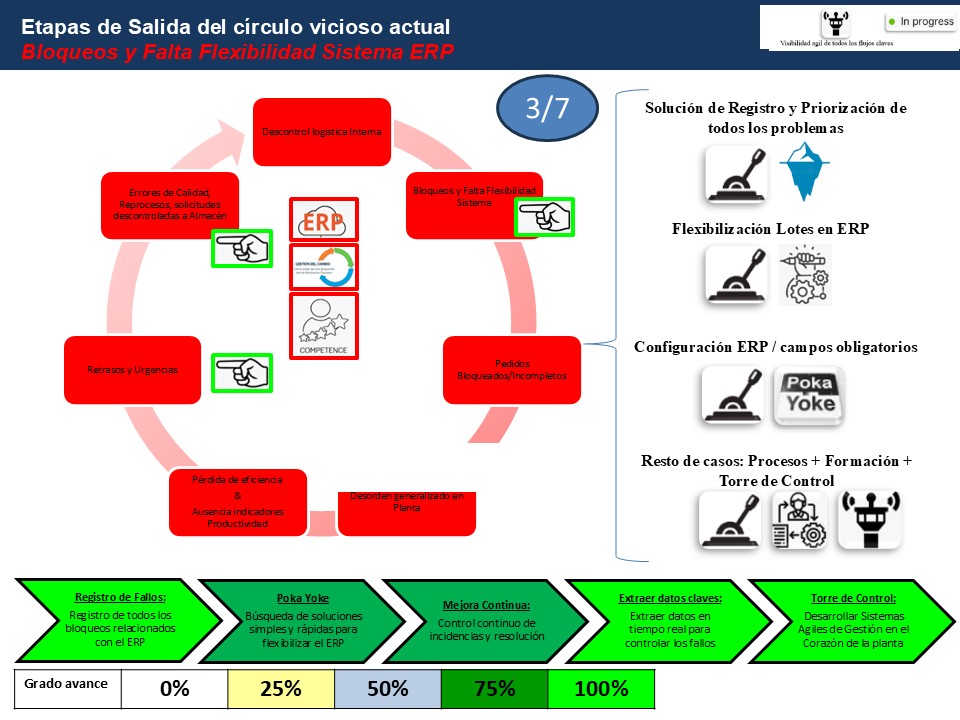
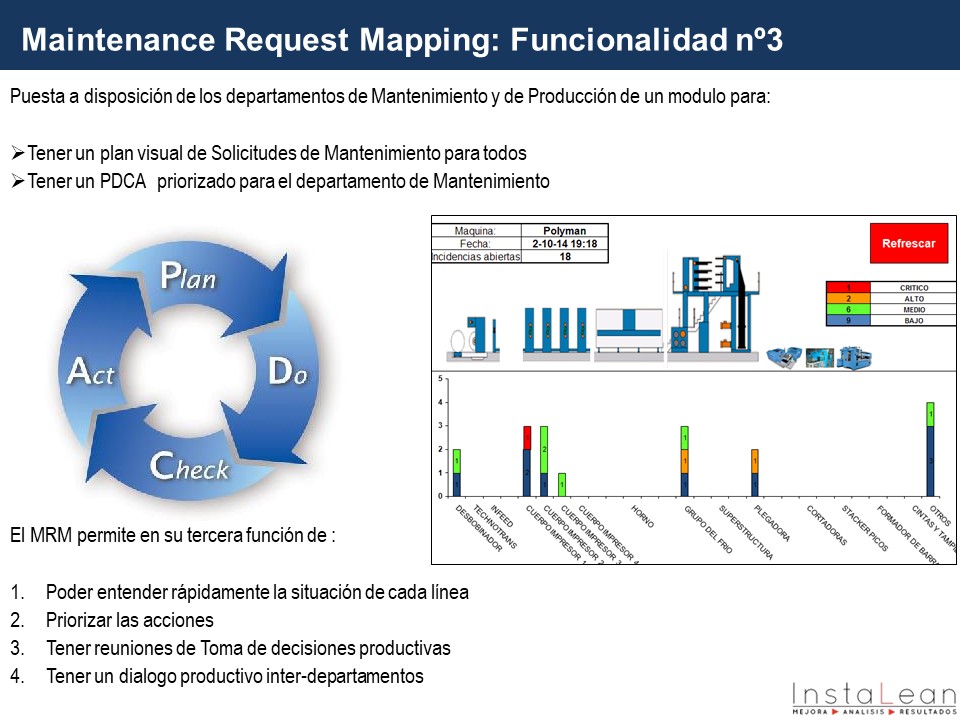
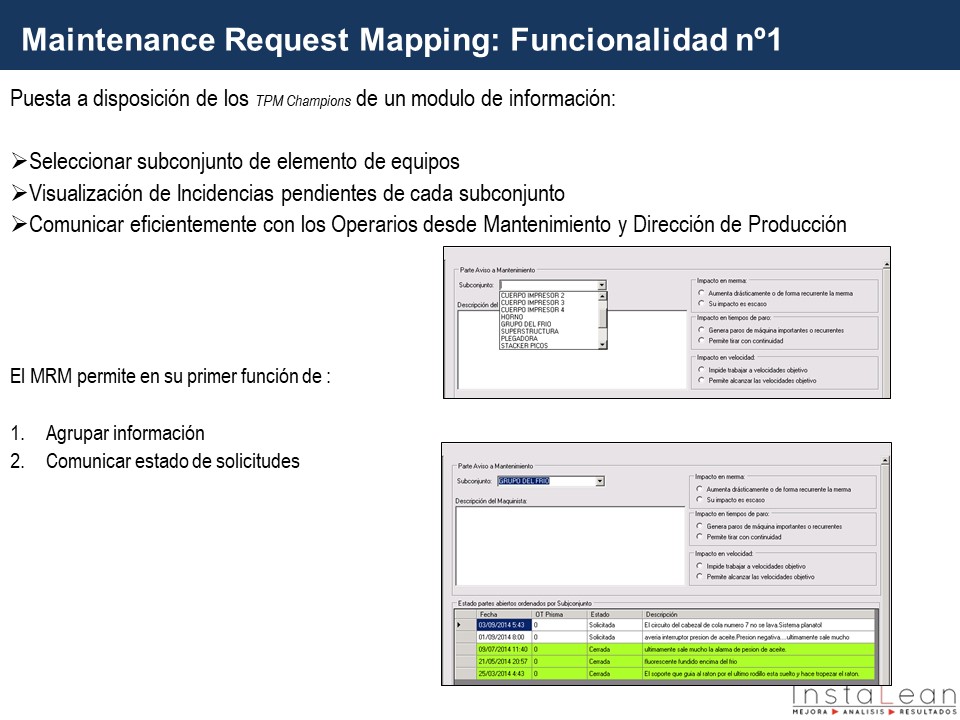
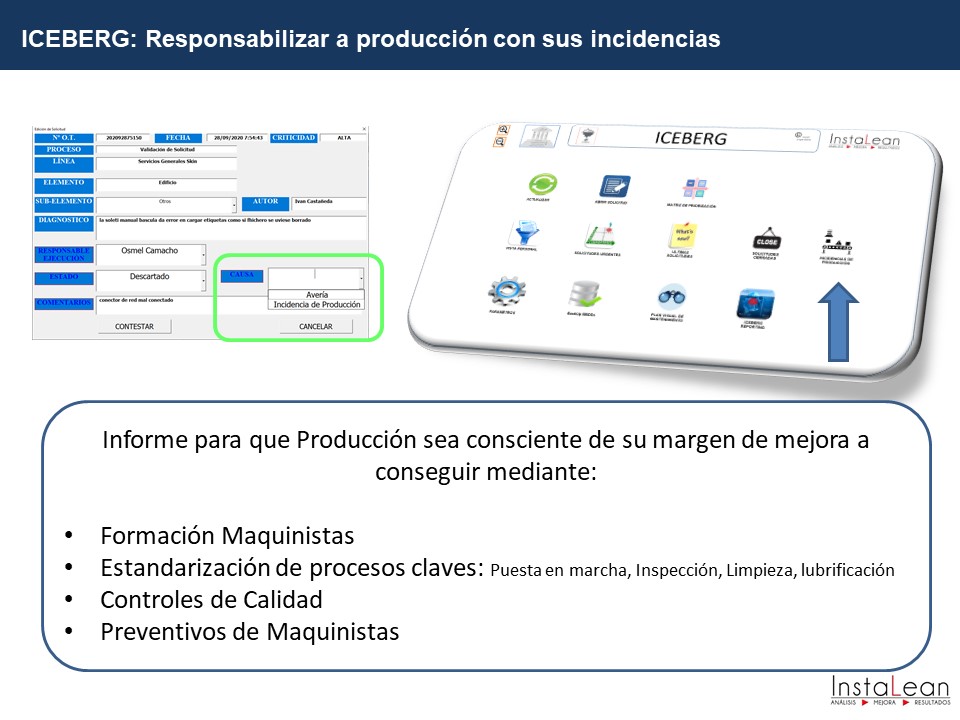
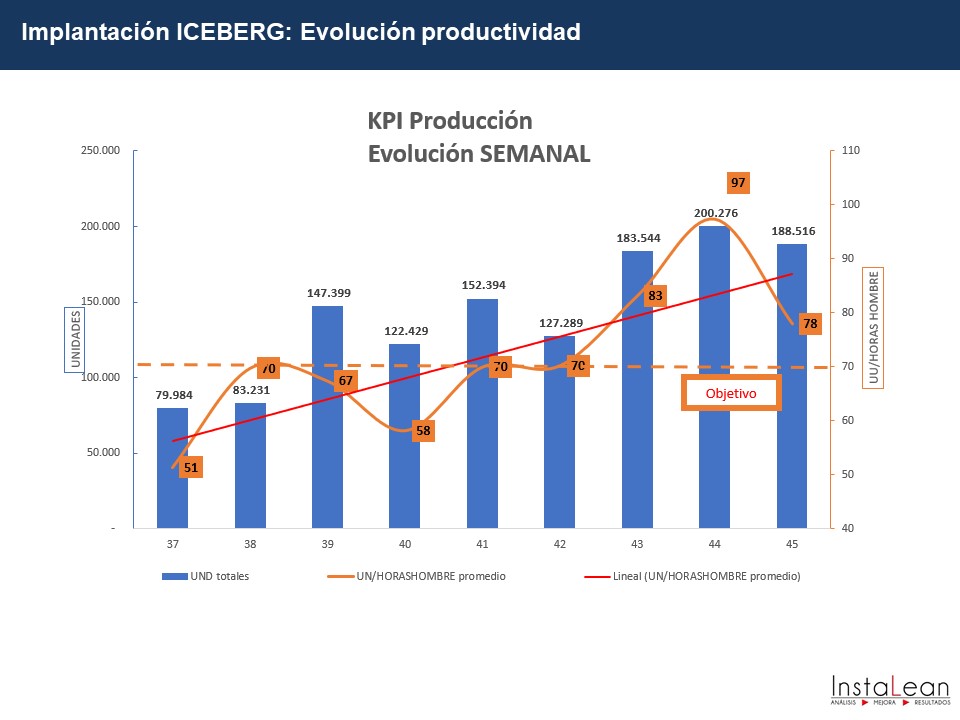
To avoid the constant disruption to the Warehouse Manager and Team Leader related to managing quality issues and surplus items, we have adapted our "Iceberg" CMMS to allow for the efficient and prioritized communication of these problems.
Implementing this system frees up a significant amount of time from these two key resources, while also providing us with complete control over these incidents and historical data for future root cause analysis.
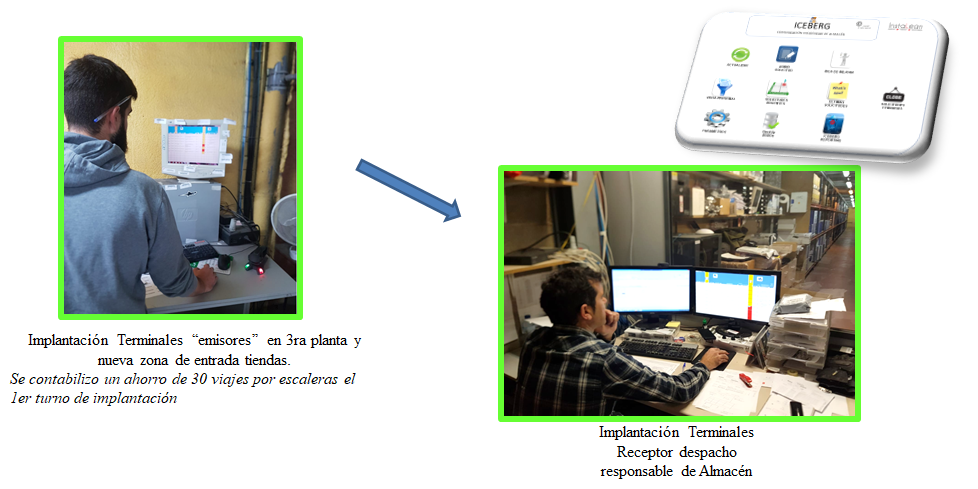
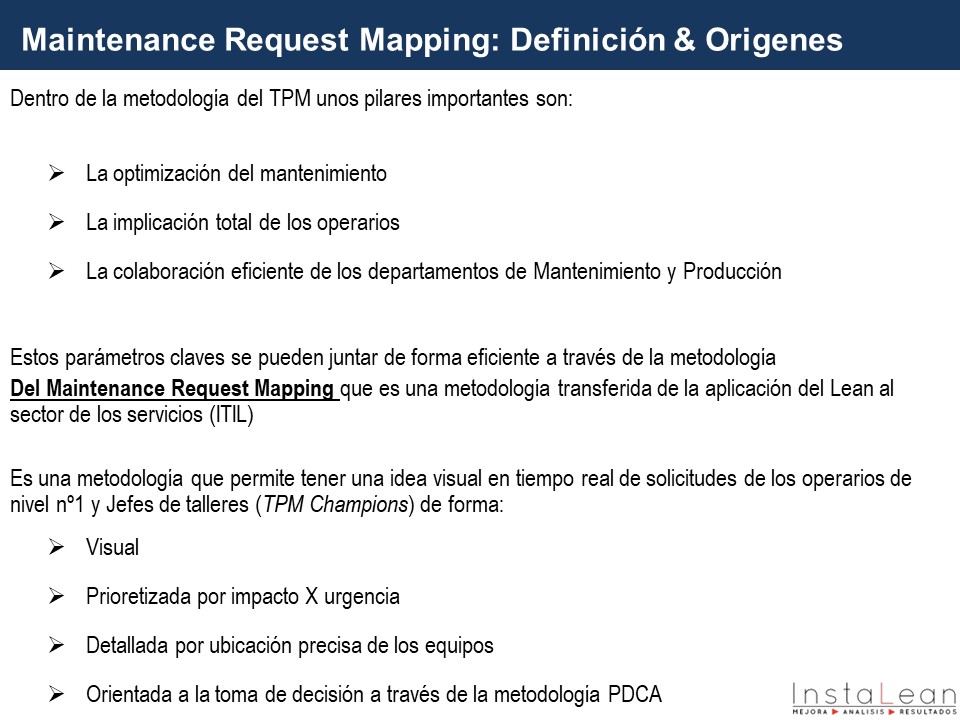
Optimization of Operations in Services: Help Desk / Technical Centers
Methodology & KPIs
- How to change the organization?
- How to measure the success of change?

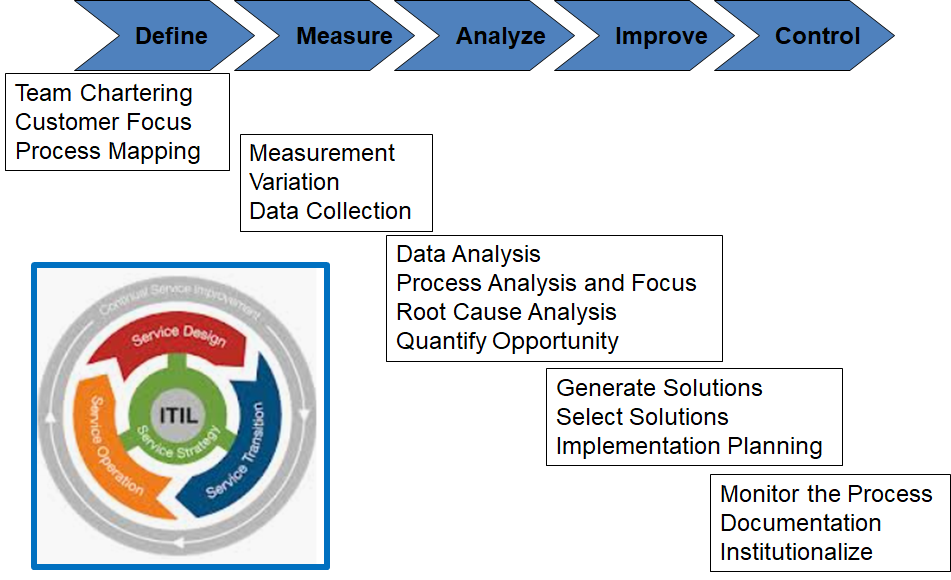
DMAIC + ITIL
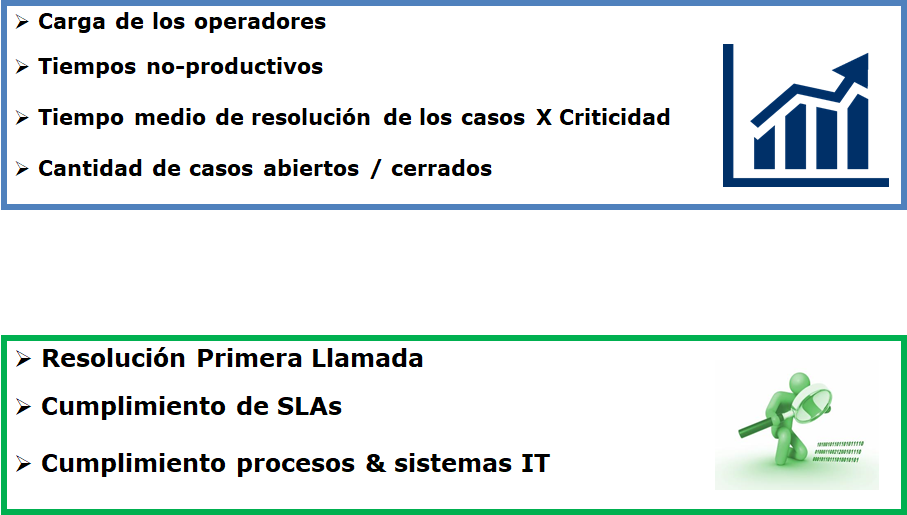
New Efficiency & Quality KPIs
Defining the Starting Point
- Where are we?
- Strengths and weaknesses analysis
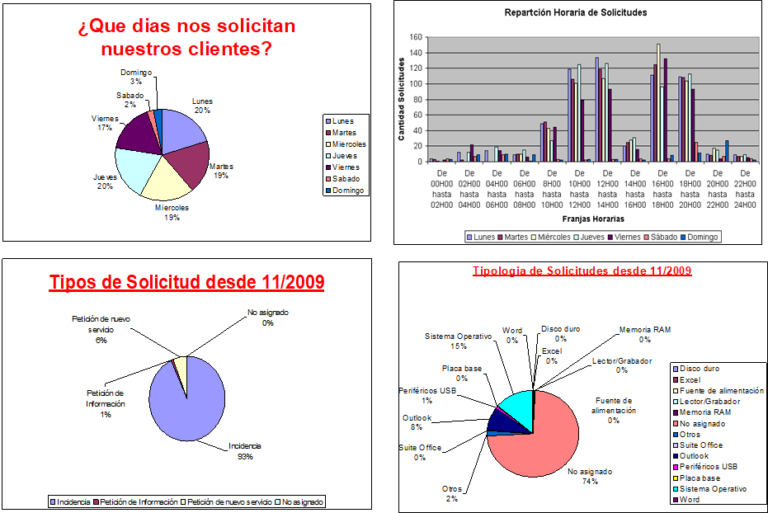
When and what do our customers ask us for?
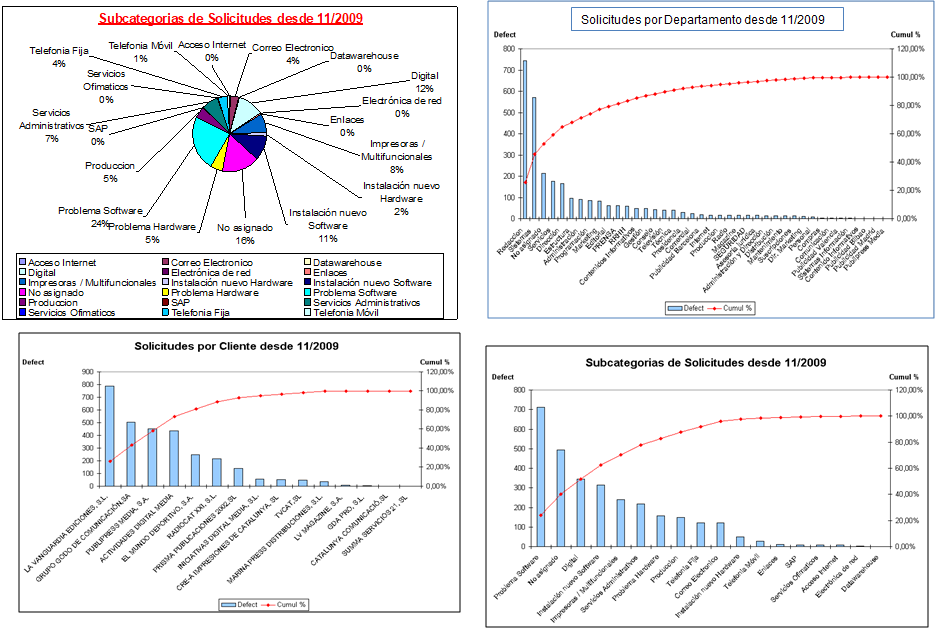
Zooming in on what really matters
Process redesign Keys
- Change what's relevant
- Create robust & visual processes
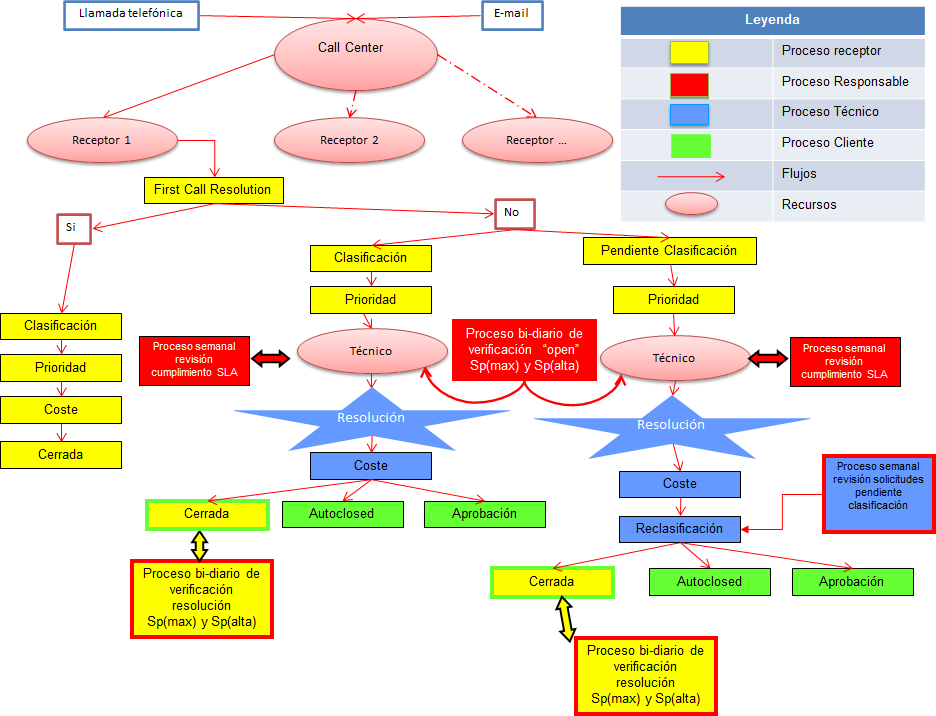
New Standard Incident Management Process
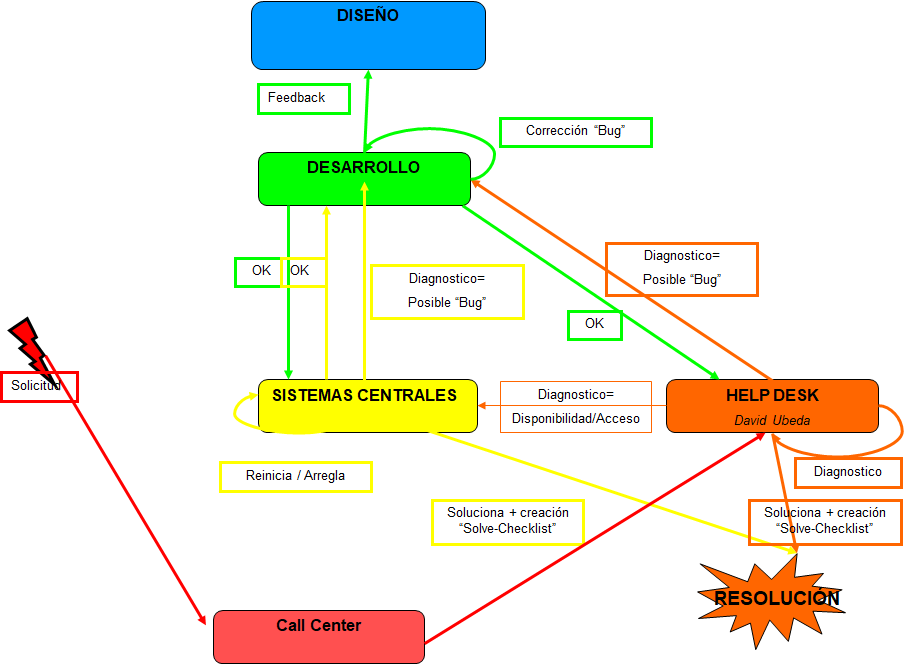
New Complex Incident Management Process
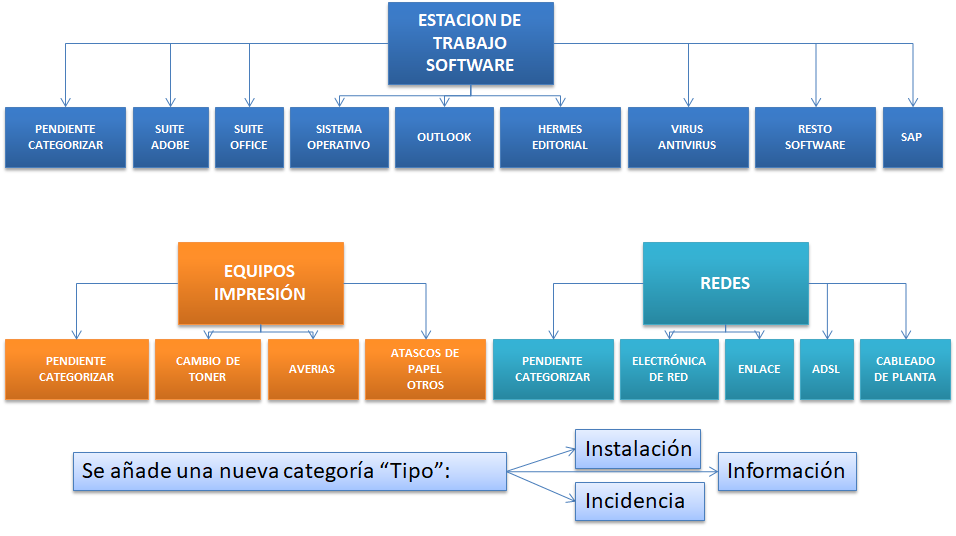
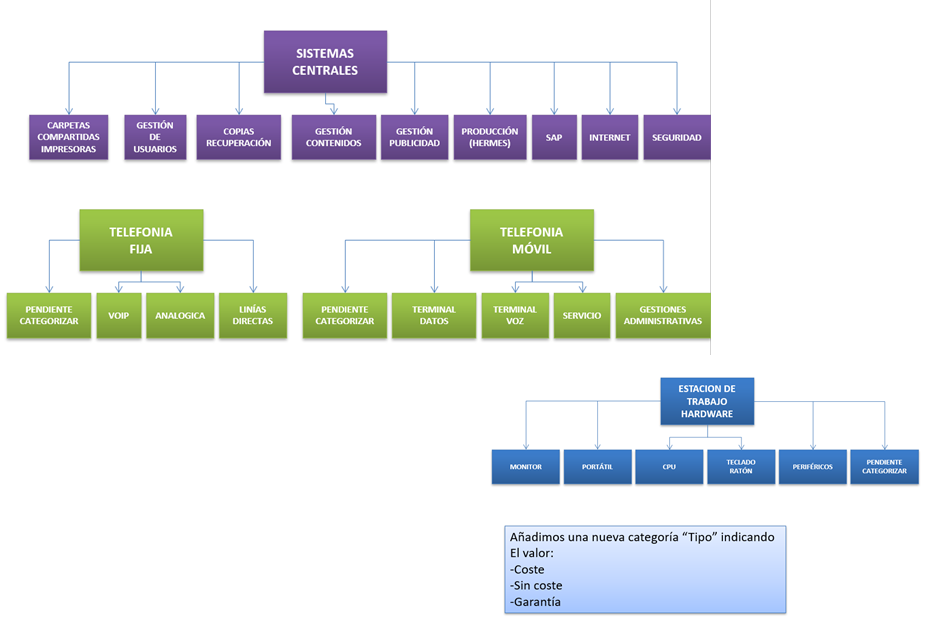
Application Arborescence Design
“Control with sense & accuracy”
Incident Category Design
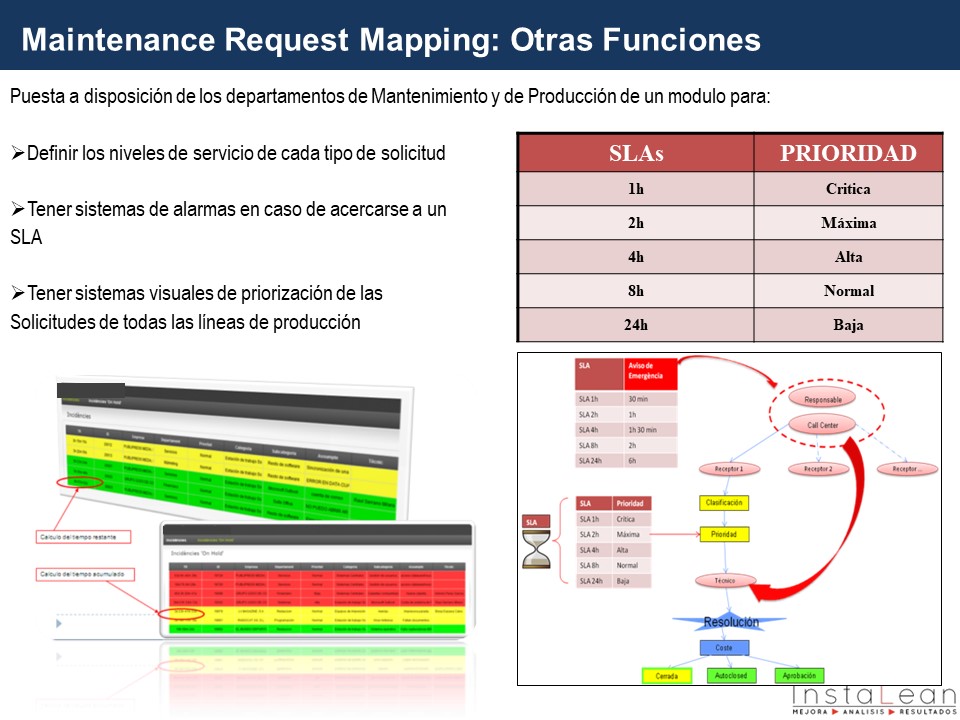
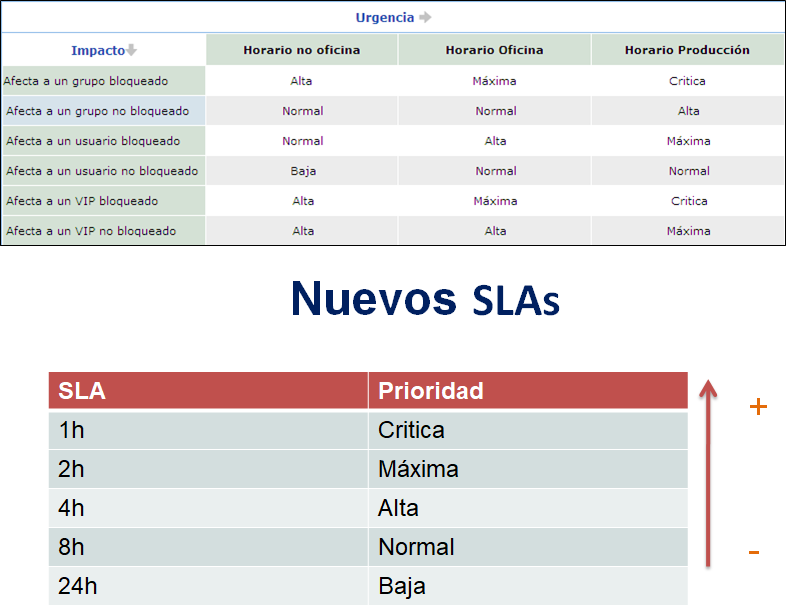
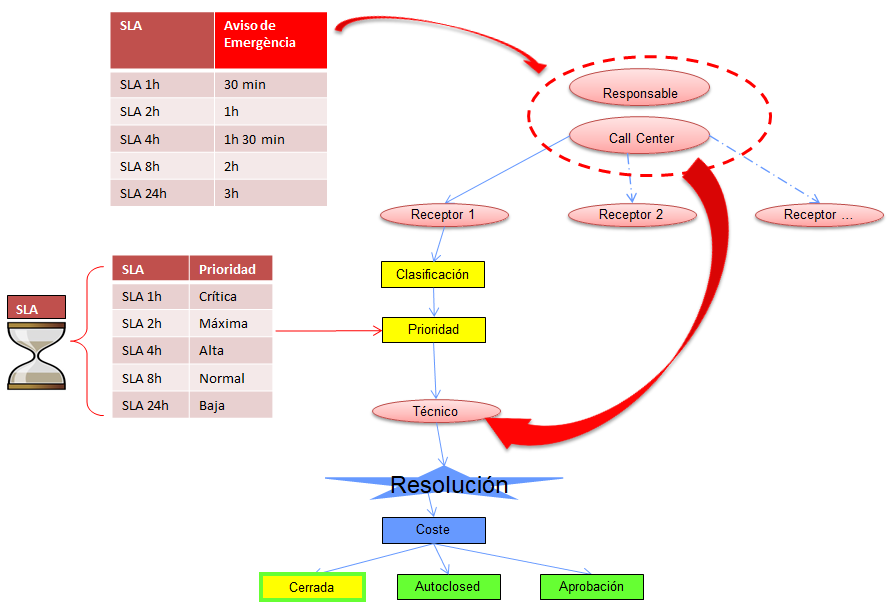
SLA Definition Service Level Agreement
- Each problem has its own criticality
- Each critical situation requires its appropriate response.
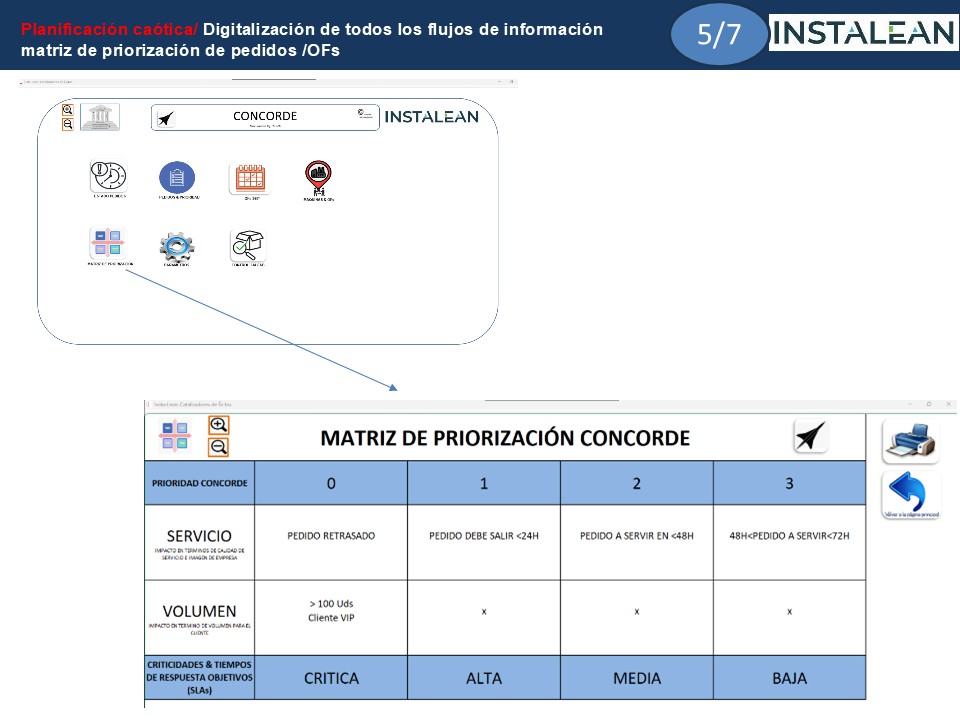
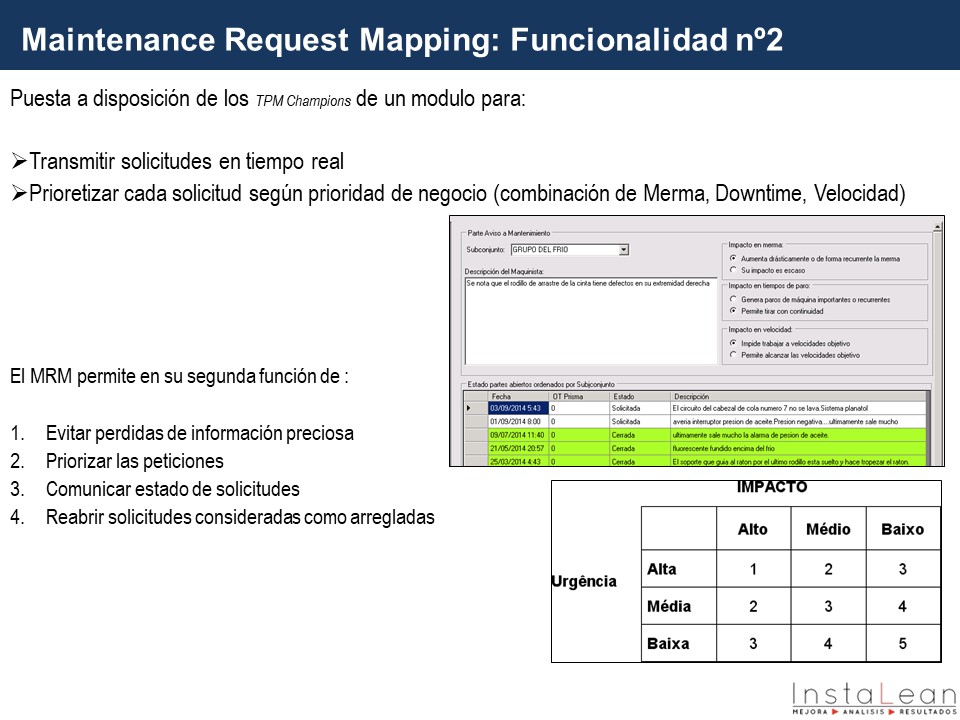
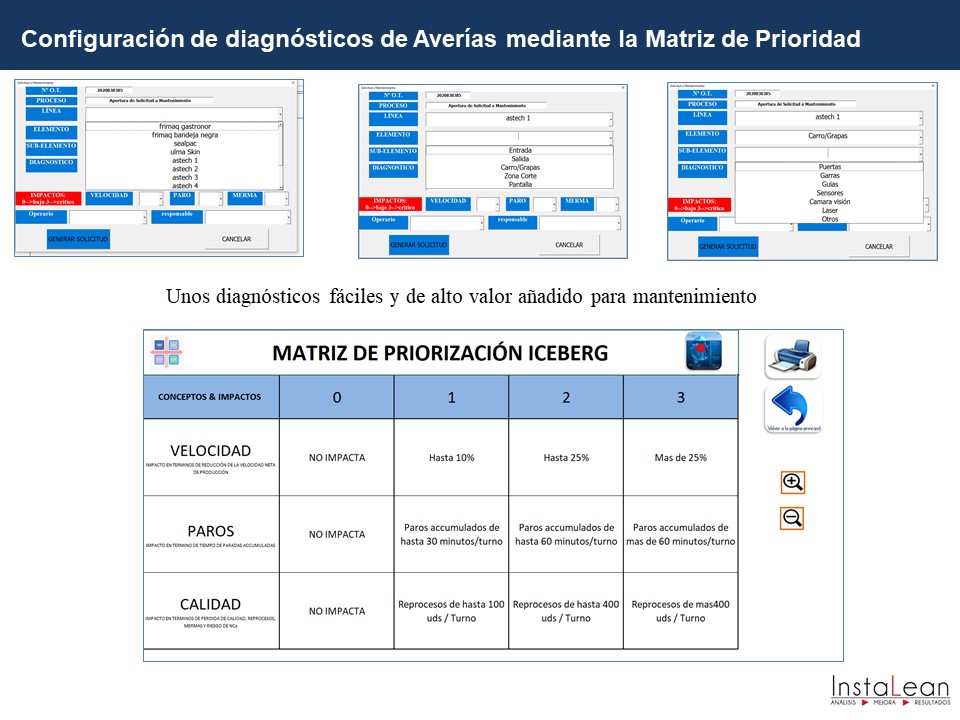
SLAs & New Impact Matrix X Urgency
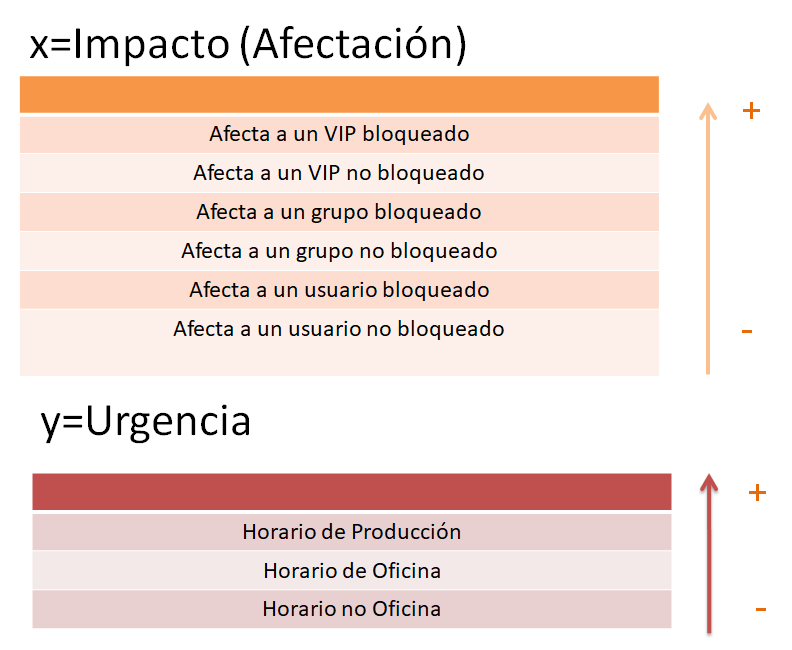
Zoom Parameters Impact & Urgency
Efficiency Control Tool “Chronometer Module”
- “Let’s not let anything slip through the net…”
Tool presentation
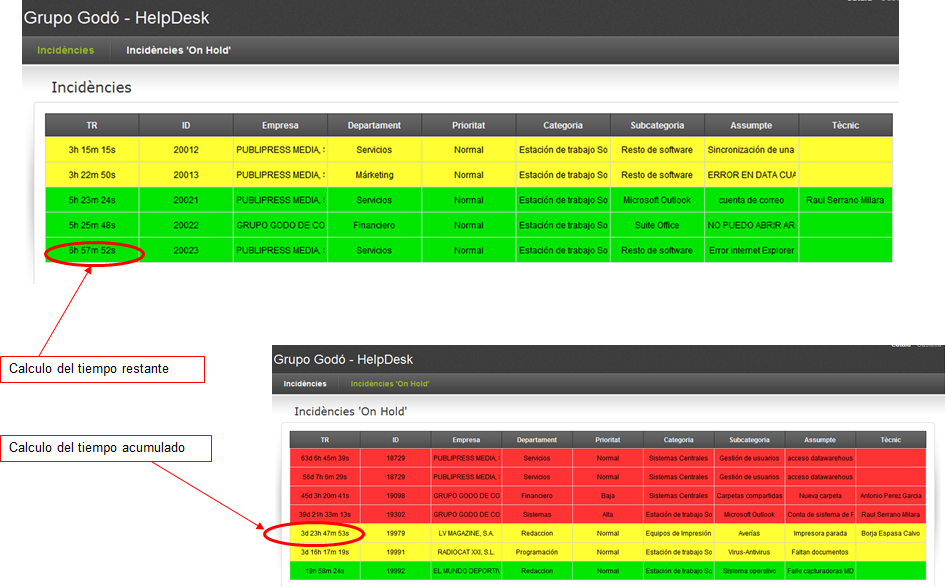
SLA Anti-Break Alarm System
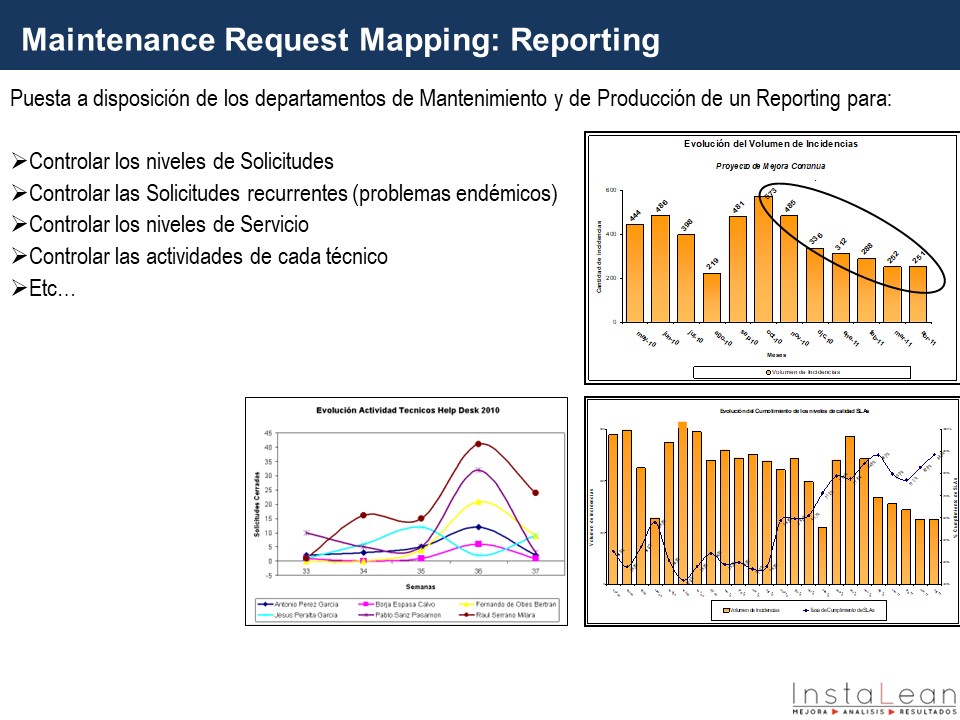
Reporting Smart Data

- “What gets measured is easily improved”
Agile Reporting Tool
- Data extraction via SQL query (Selection of incidents + plus calculation of "On Hold" times)
- Data processing via VB
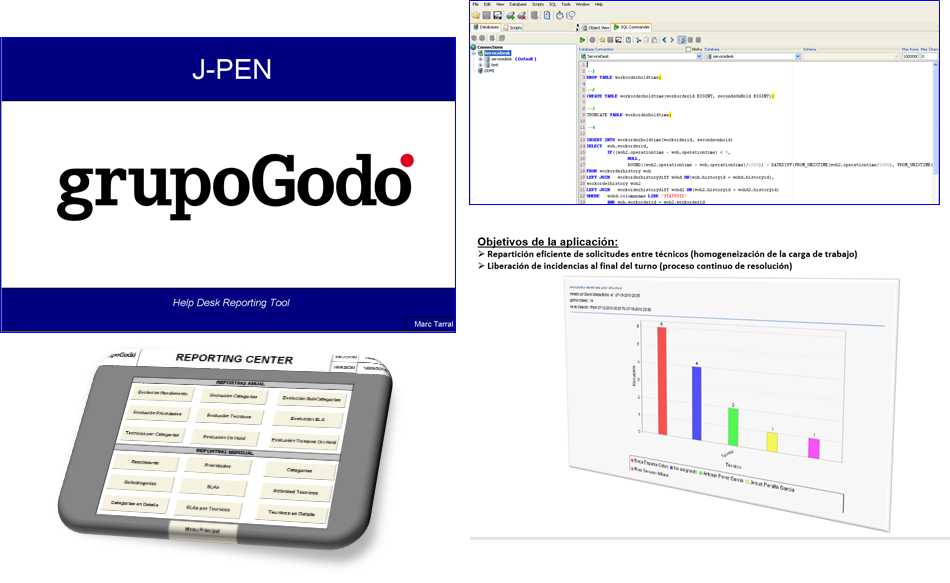
Control of efficiency from A to Z
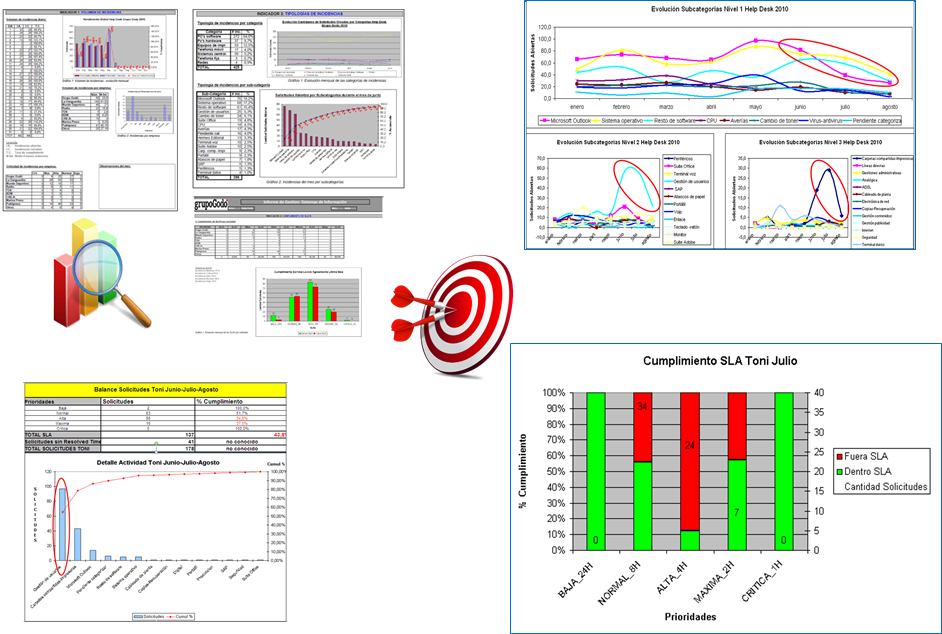
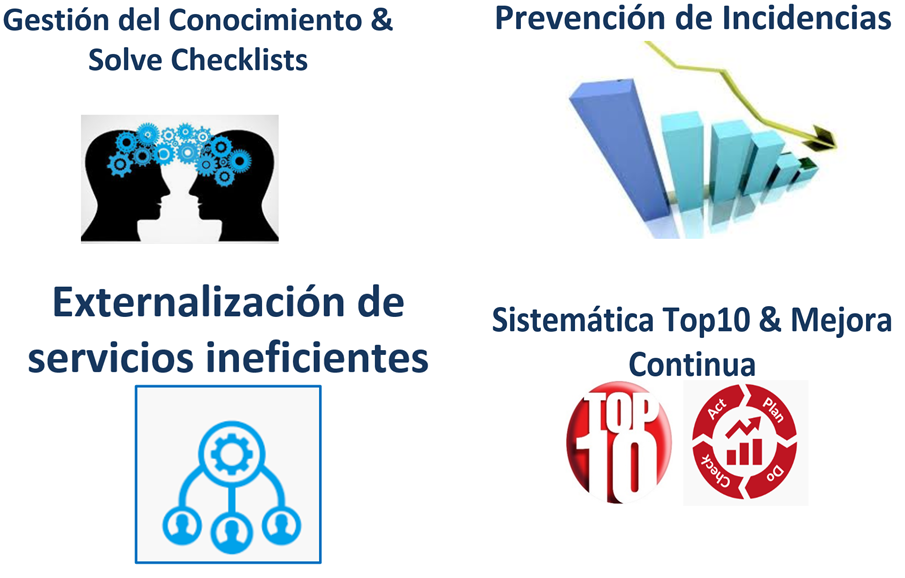
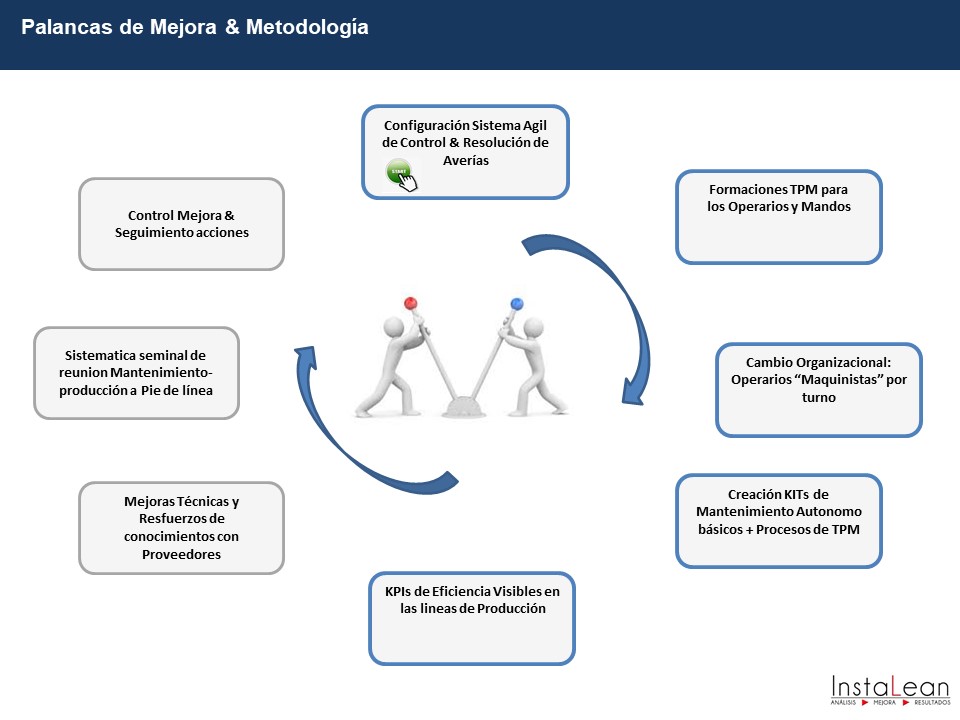
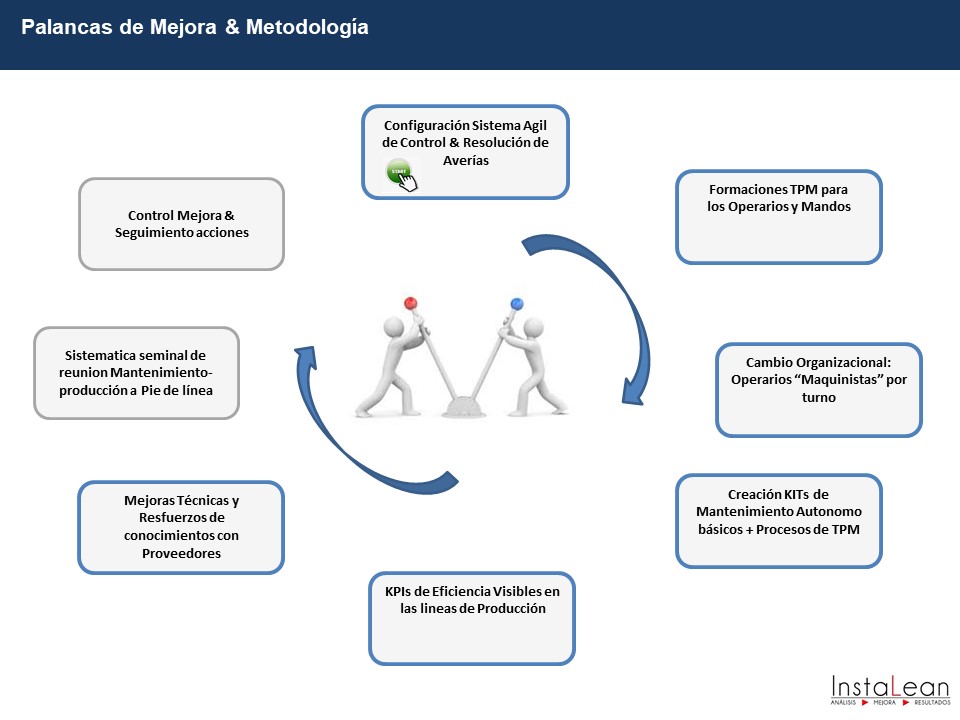
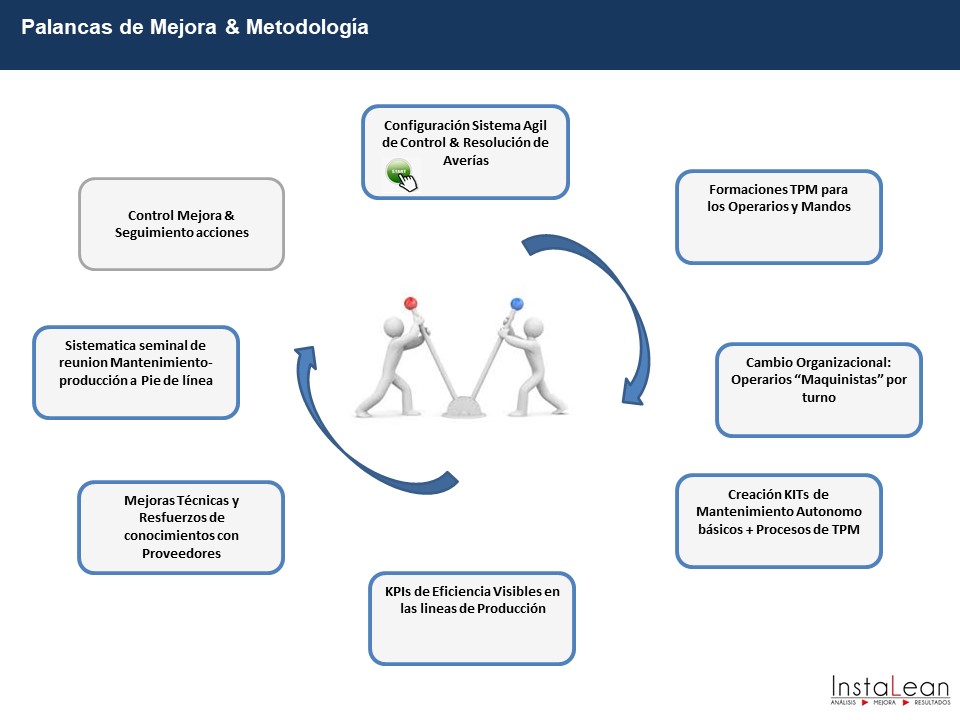
Levers for Improvement:
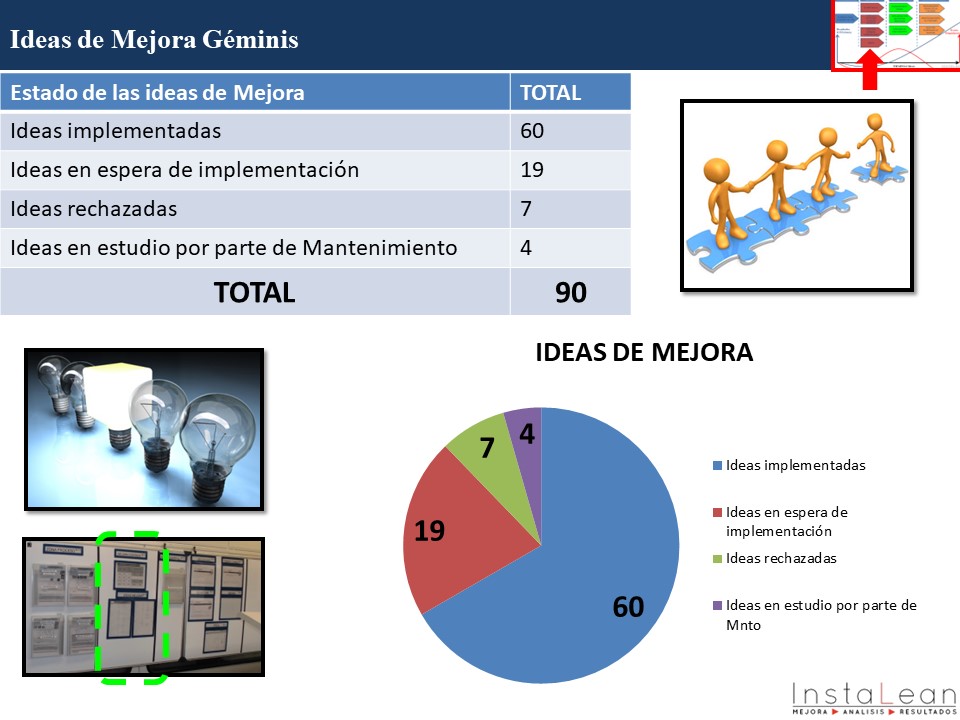
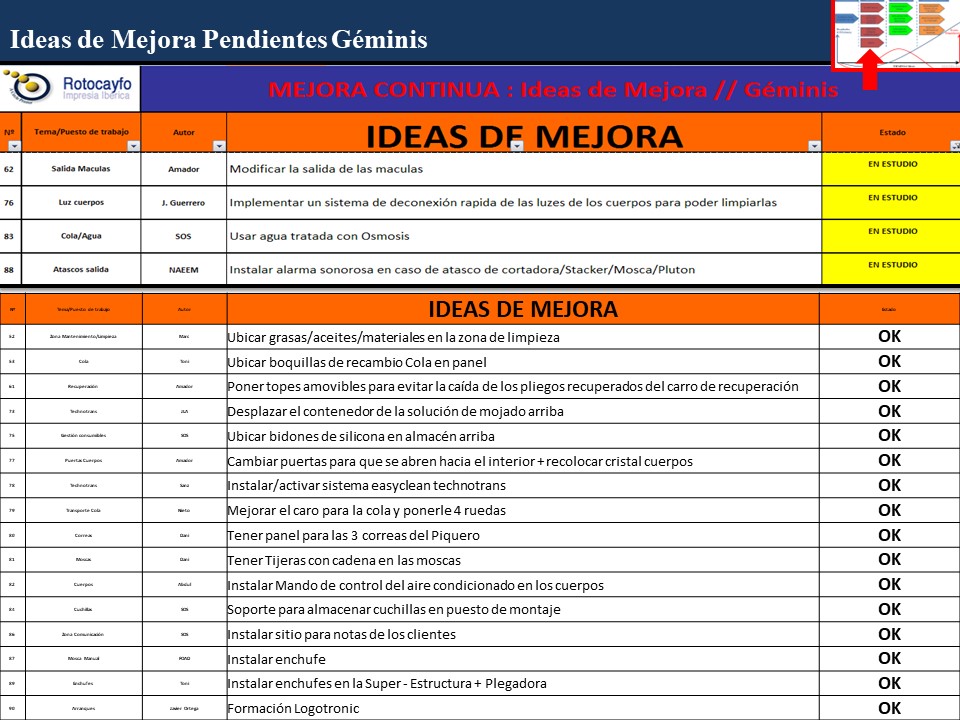
Collection of Improvement Ideas and Implementation

- “The key is not to make recommendations, but to make things happen.”
Other improvement levers implemented on the new system created
Results

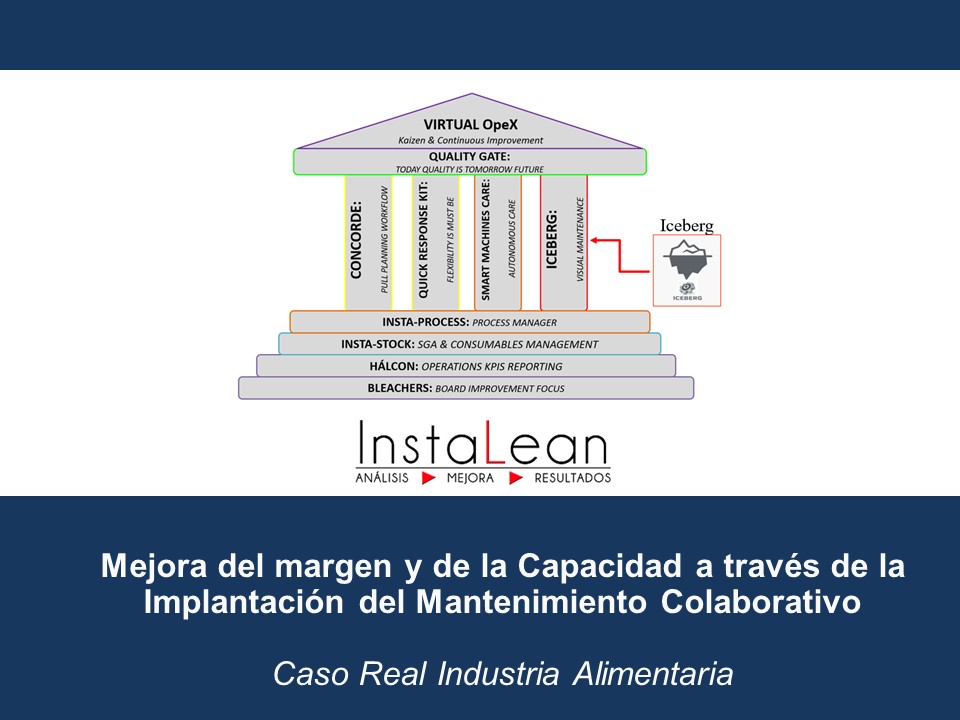
An excellent consultant has two things that a good consultant does not:
- A Large “Track Record”
- A comprehensive book of customer recommendations
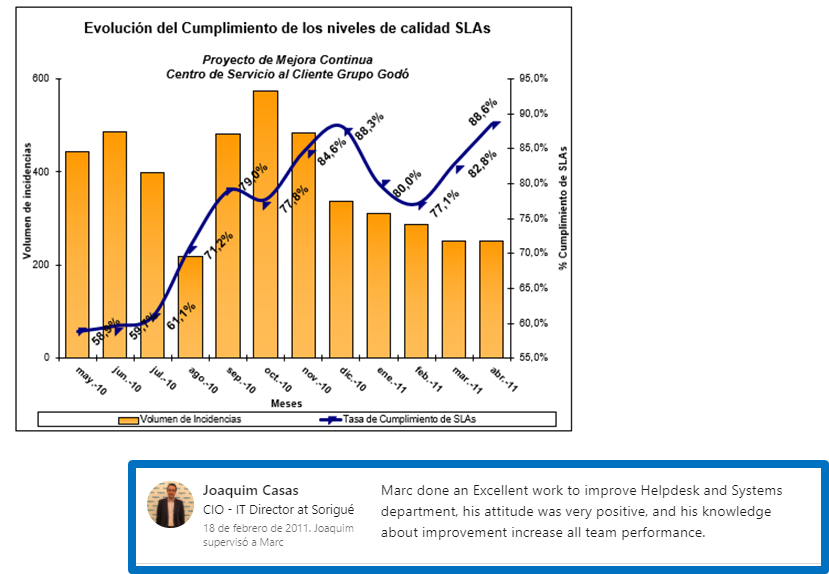
Efficiency, Quality & Cost
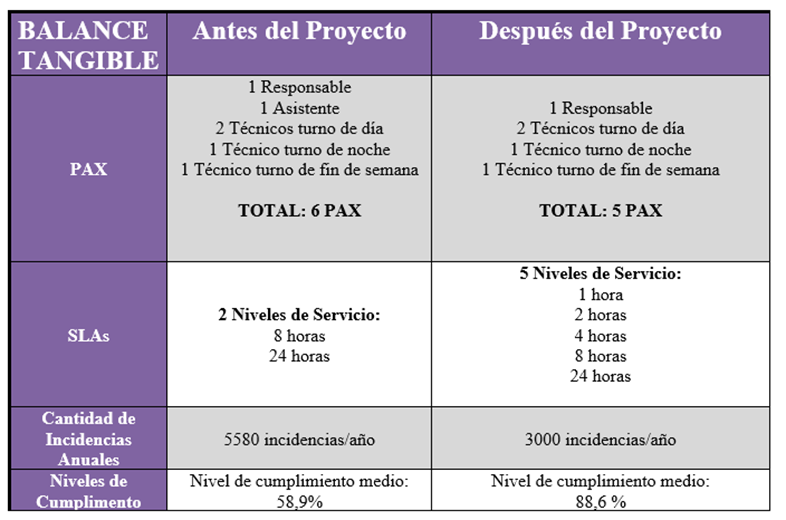
- The number of incidents is low
- The quality of service is improving
- The customer is happy.
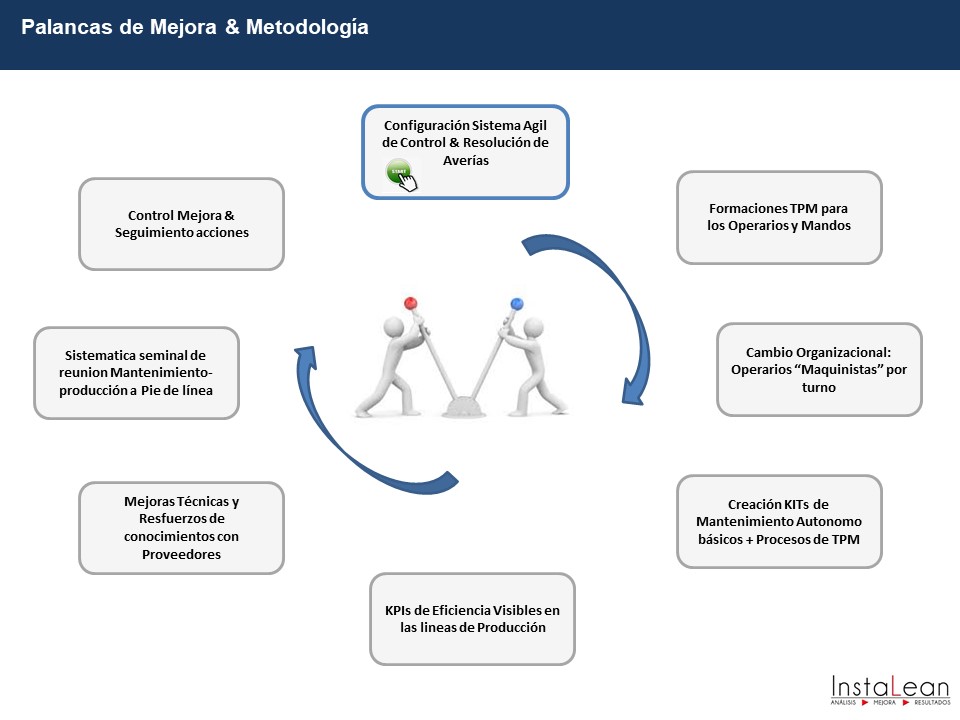
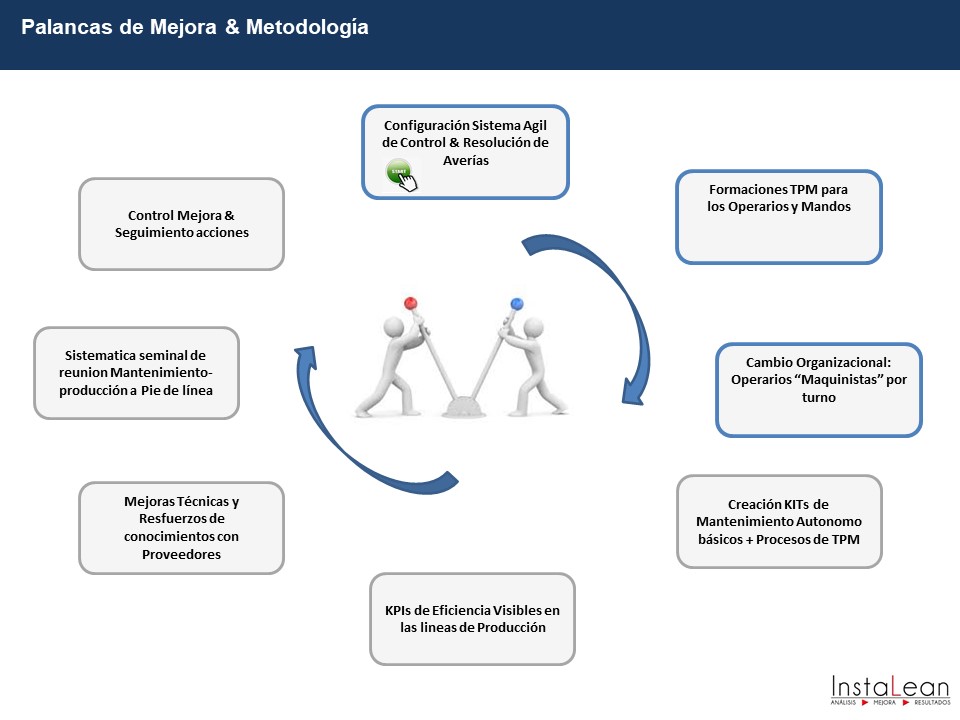
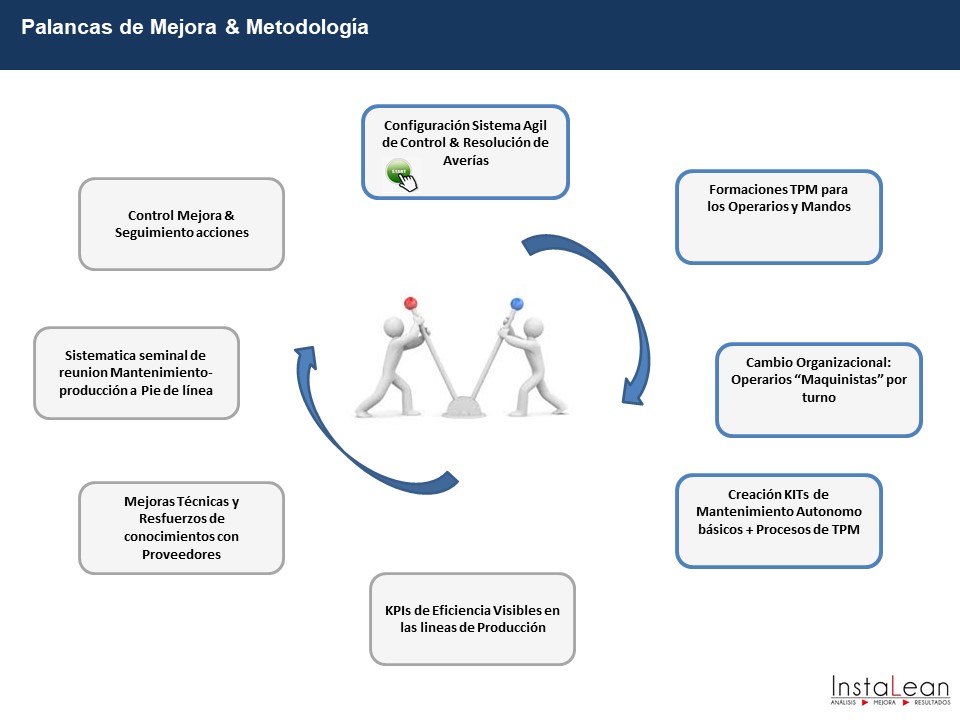
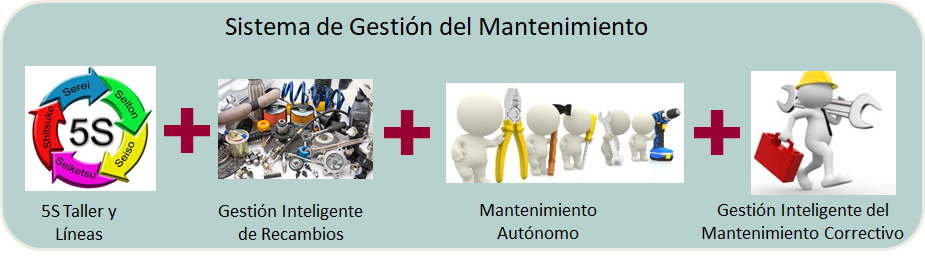
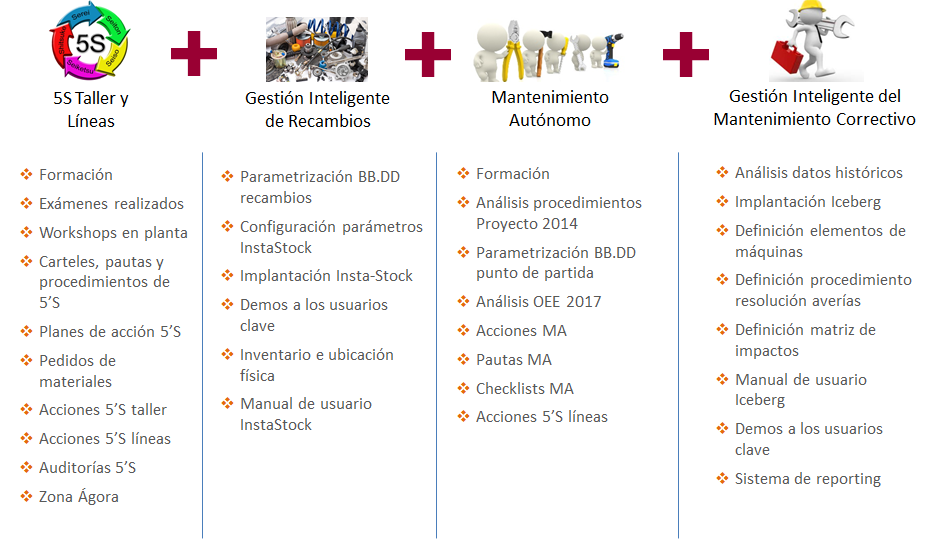
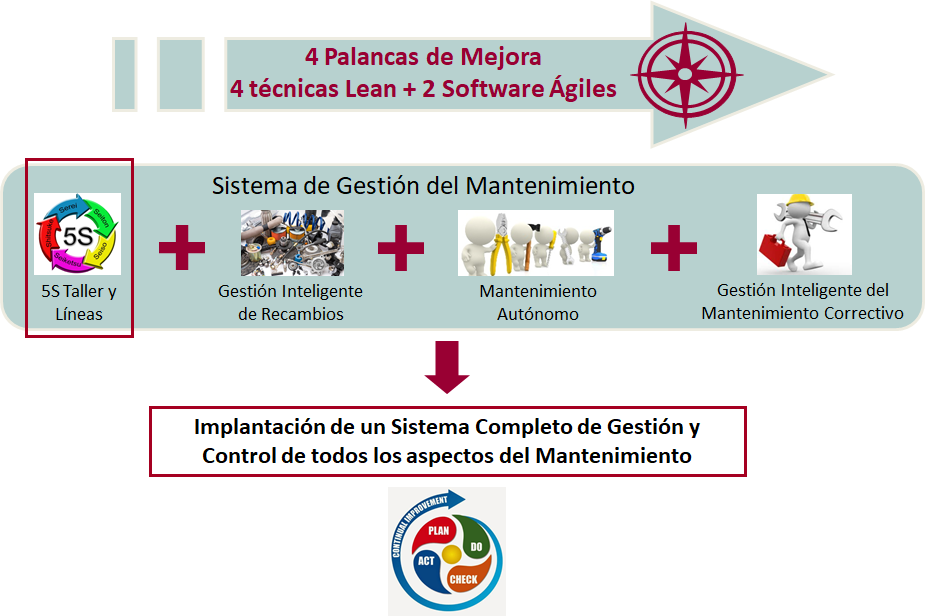
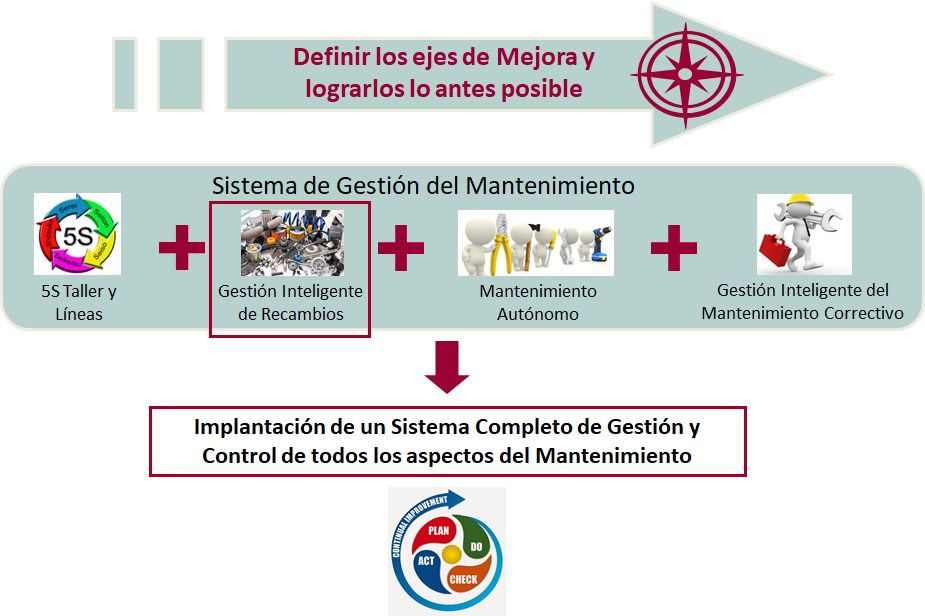
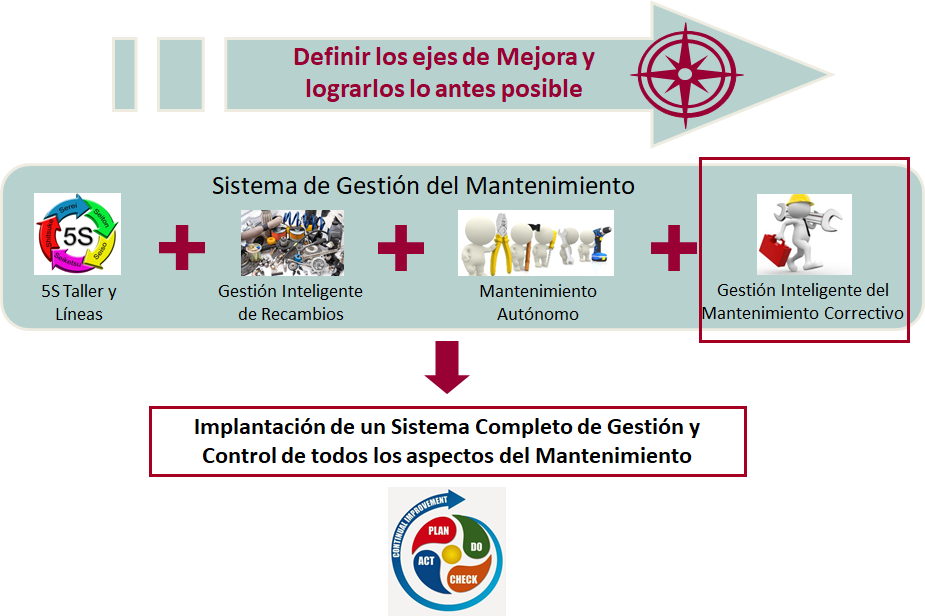
Step-by-step methodology: Step 1/4
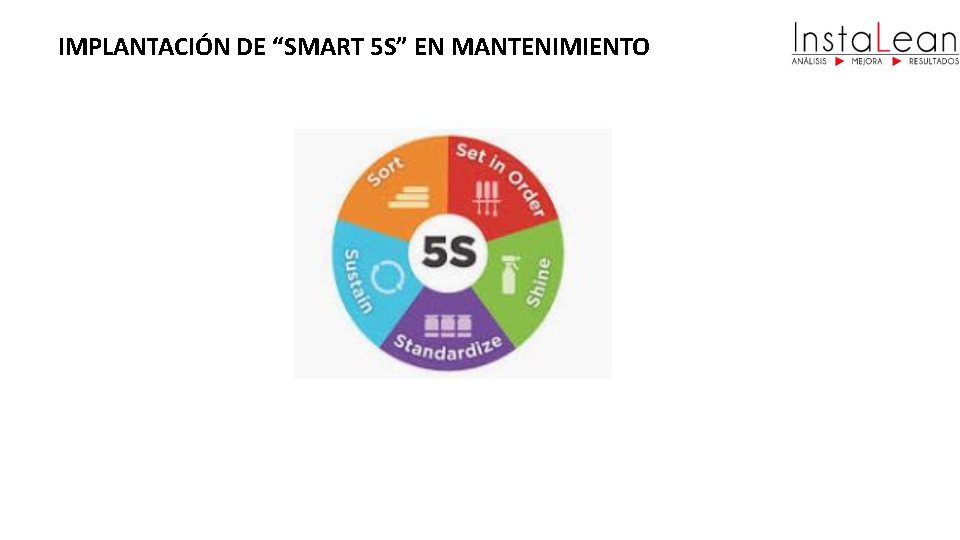
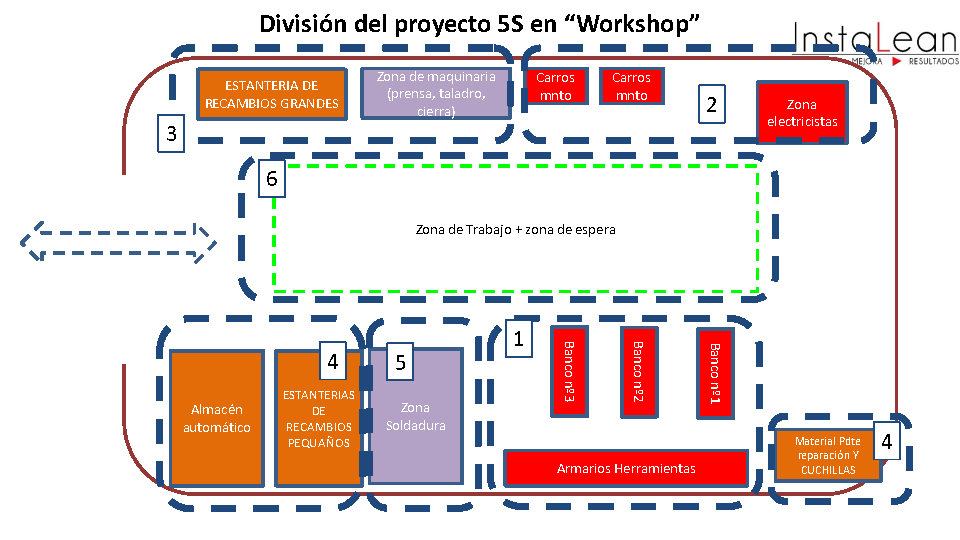
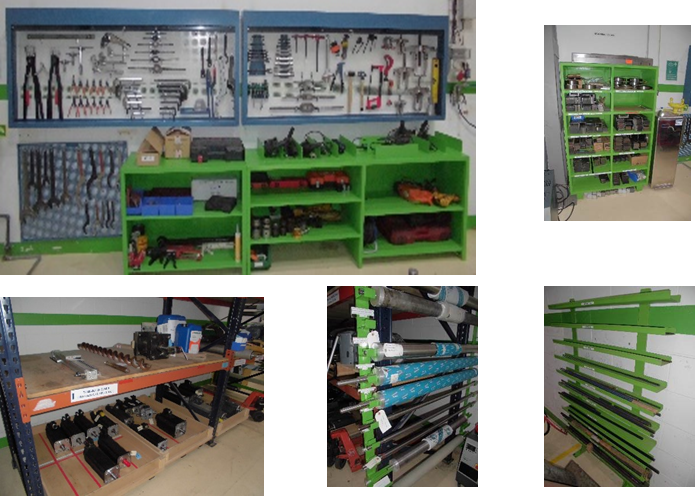
5S in the Maintenance Workshop to reduce intervention times
5's – Maintenance workshop: Order and cleanliness. Classification, location and inventory of spare parts:
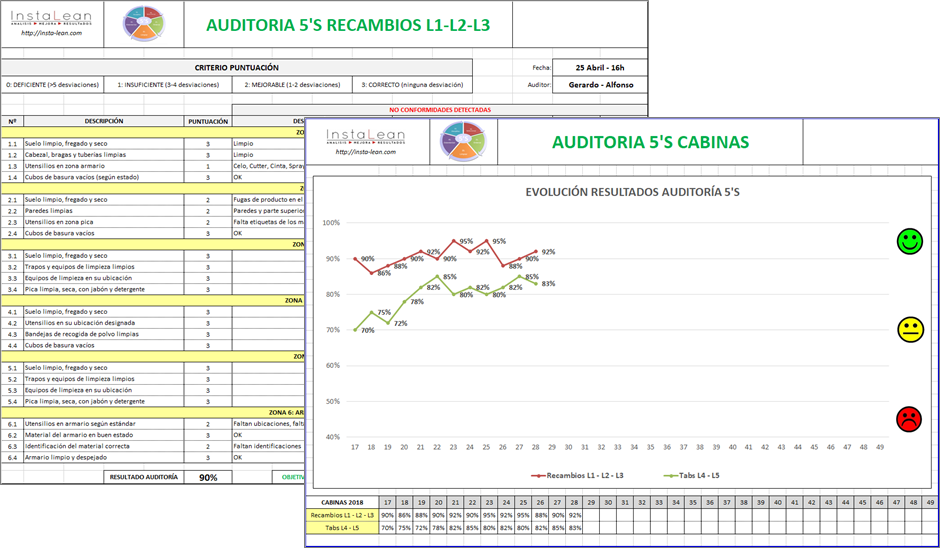
Implementation of Audit Processes for Control and maintain
5'S – Audits Weekly monitoring of the status of the 5S methodology in the production lines
Step-by-step methodology: Step 2/4
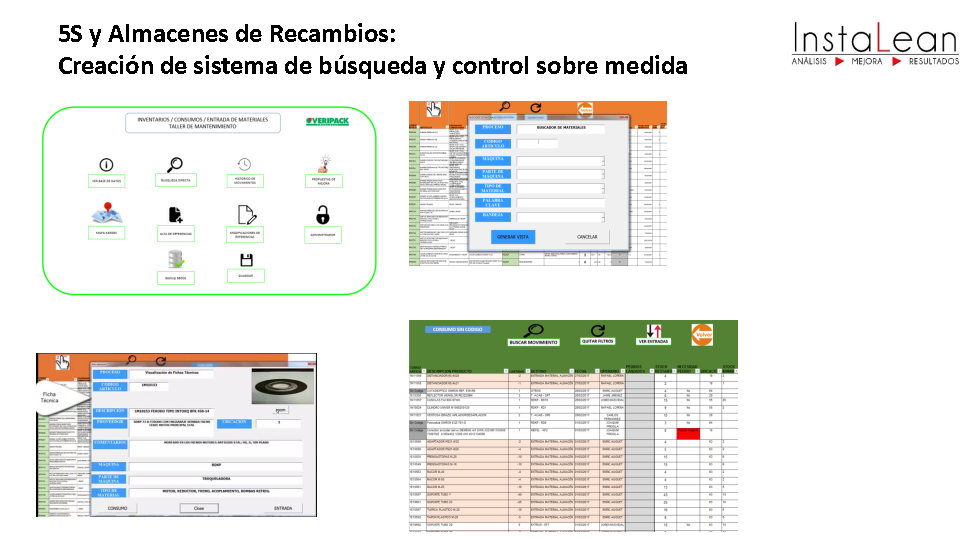
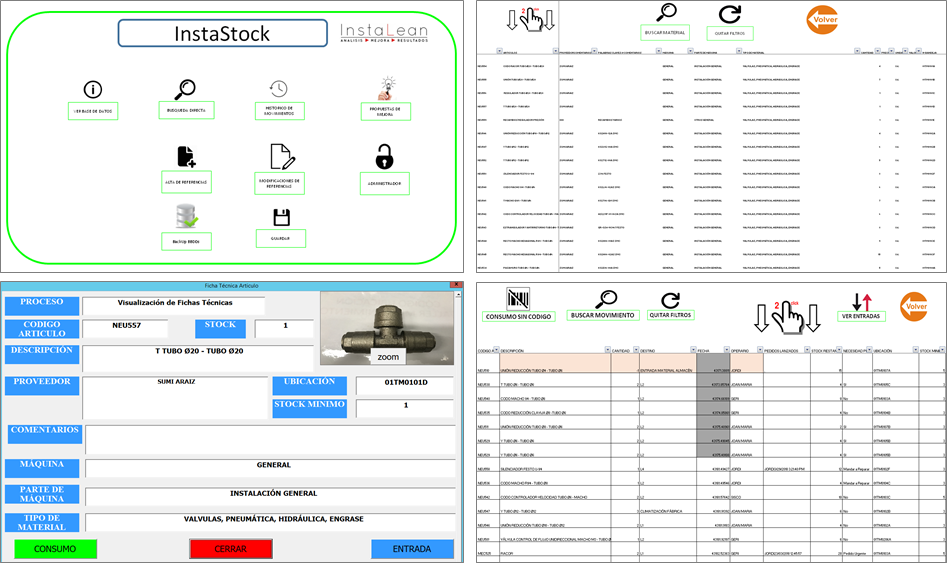
InstaStock: Agile Spare Parts Stock Control System
InstaStock Implementation (InstaLean software for spare parts management)
Intelligent search system. Computerized entries and consumption. Perpetual inventory
Step-by-step methodology: Step 3/4
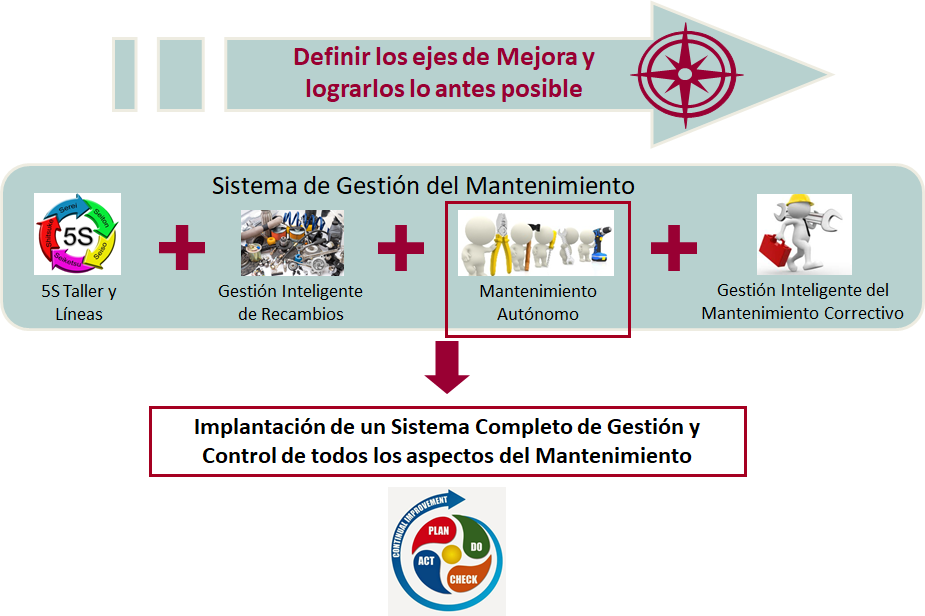
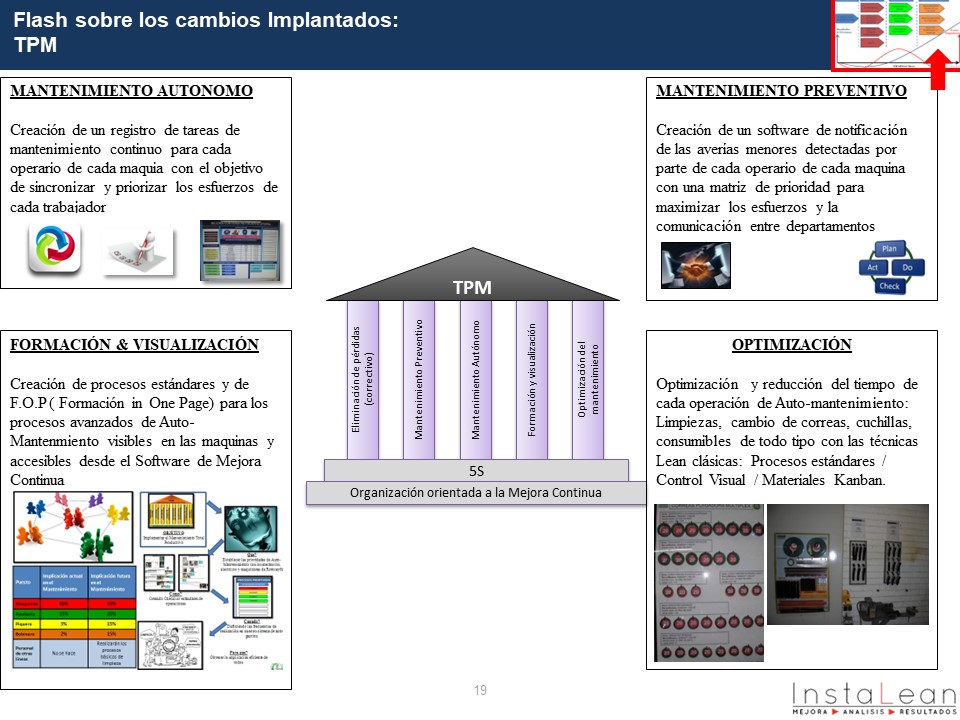
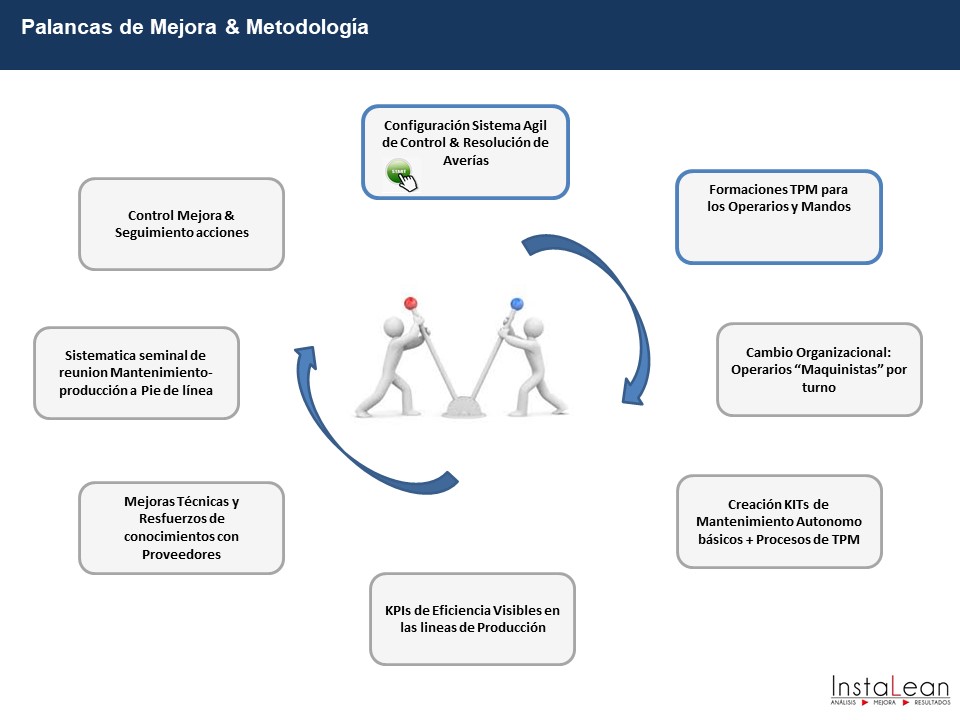
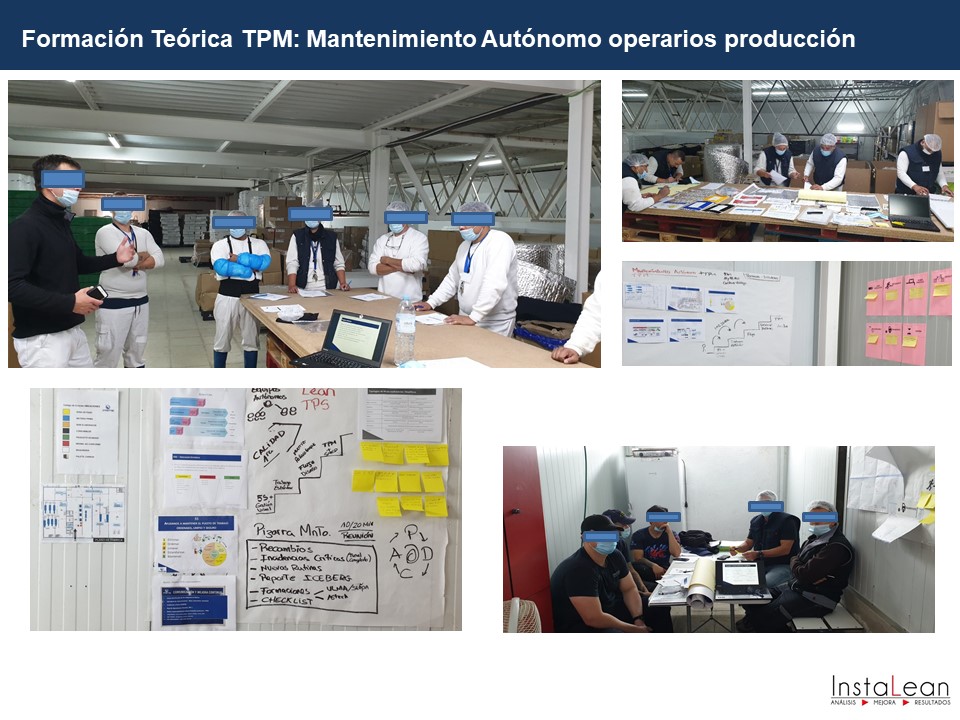
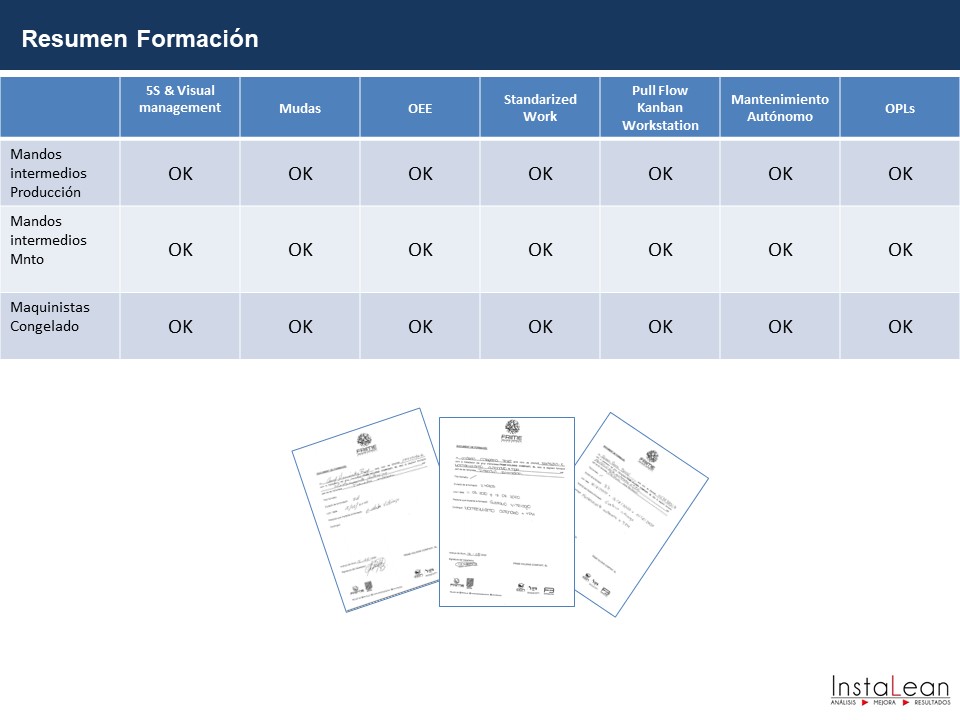
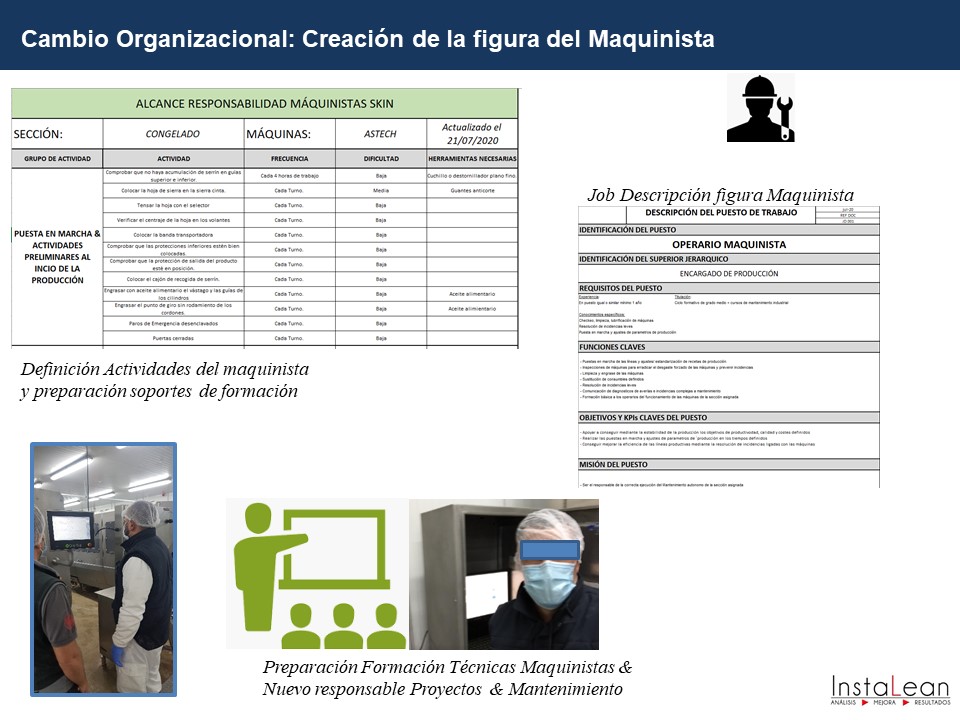
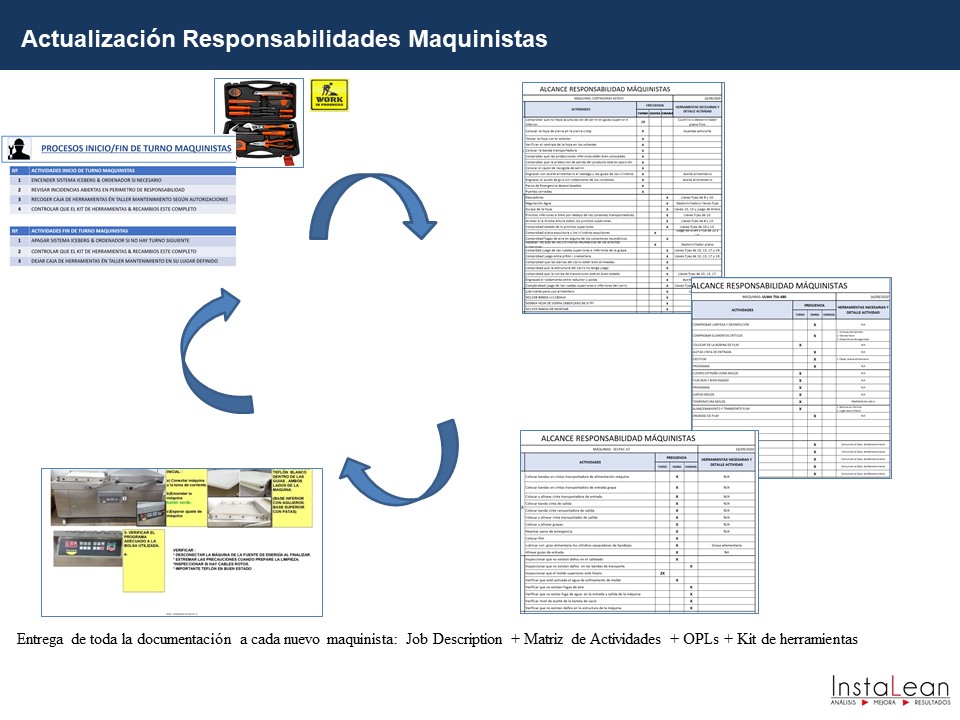
Transformation of Operators into Technicians Basic level maintenance
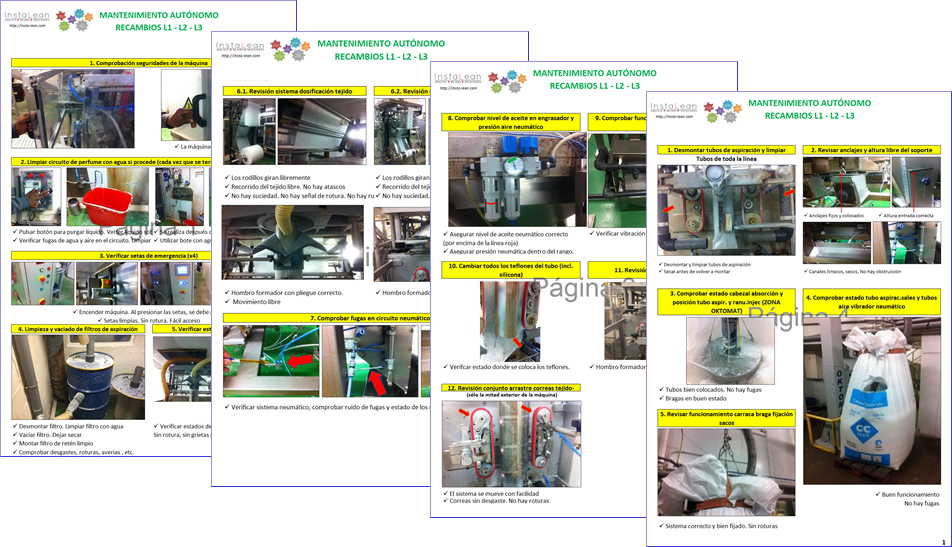
Autonomous Maintenance – Production Line Actions
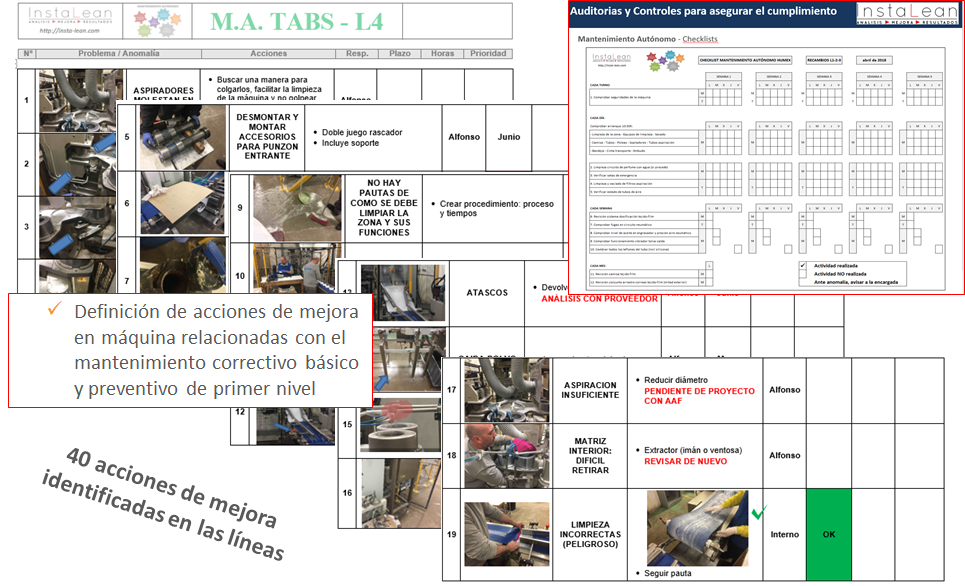
Autonomous Maintenance
Transfer of 17 preventive maintenance operations (per line) to production operators
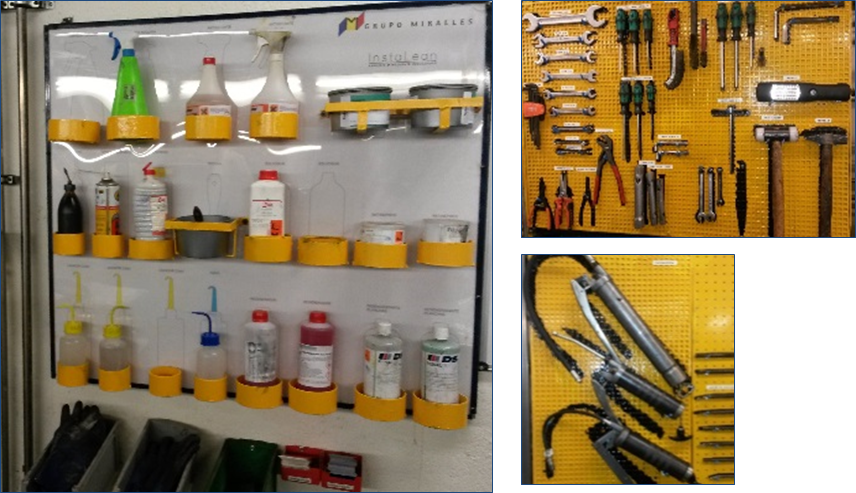
5S in Production Lines to Make Autonomous Maintenance Possible
5S – Production Lines
Distribution of all utensils along the line according to use to minimize searches and movements
Step-by-step methodology: Step 4/4
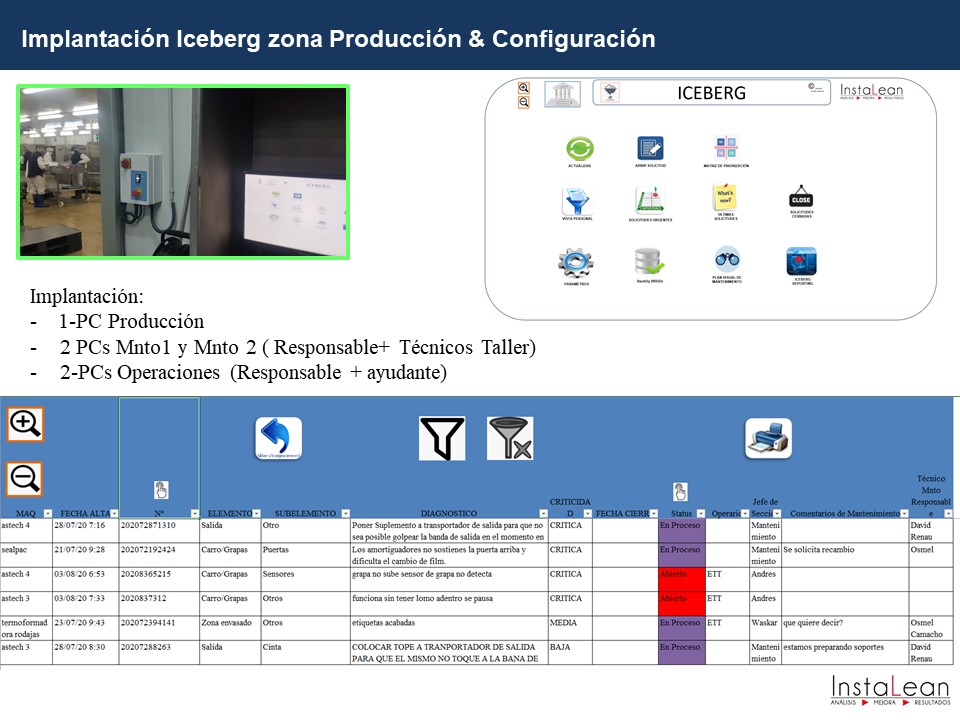
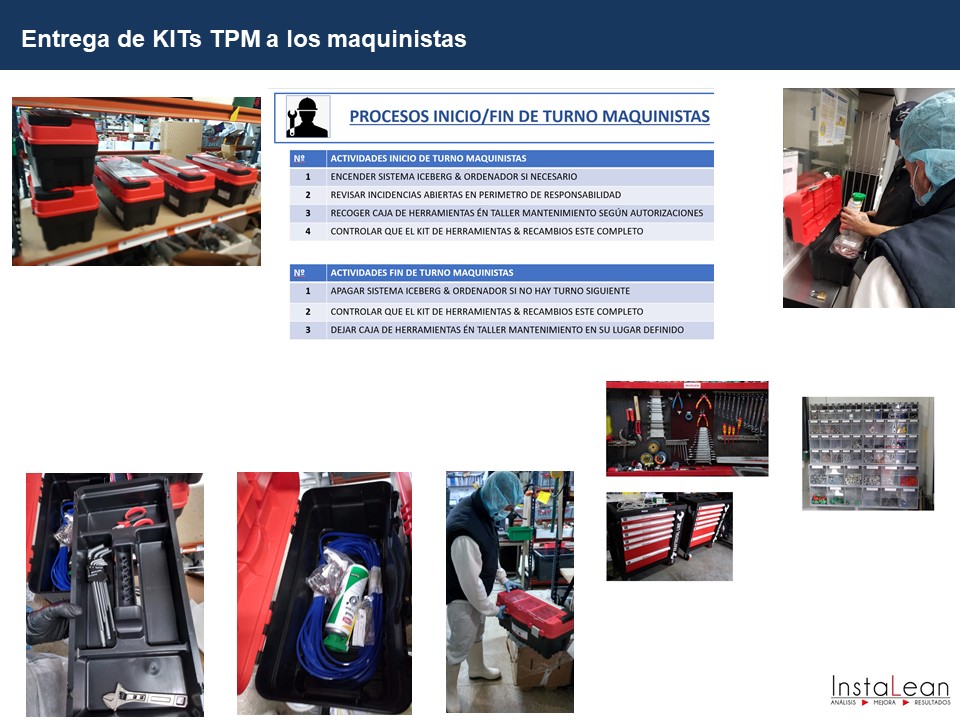
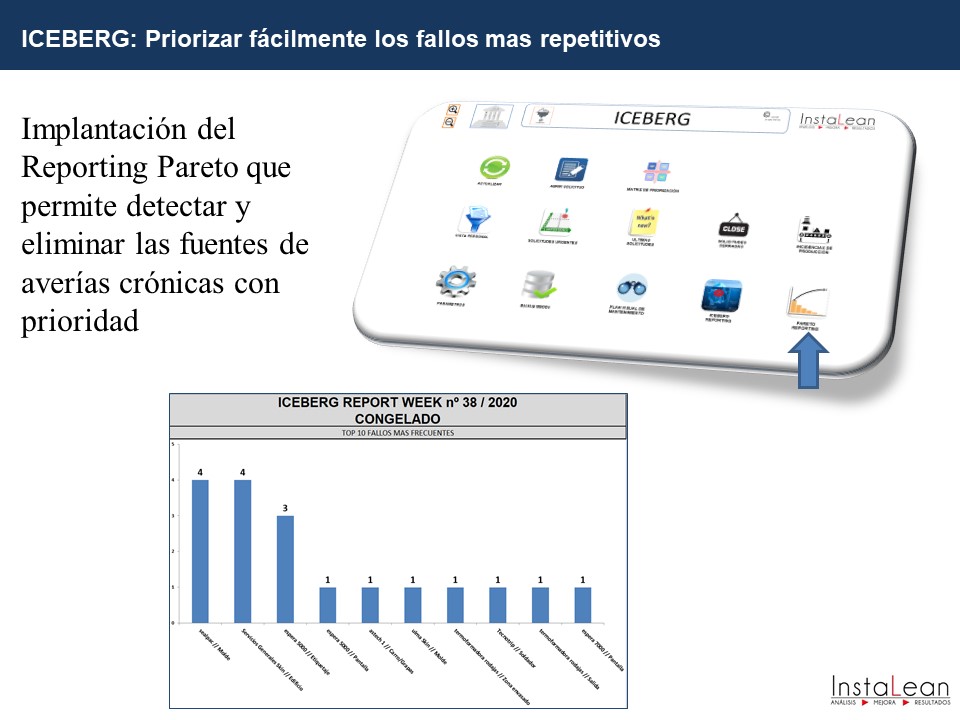
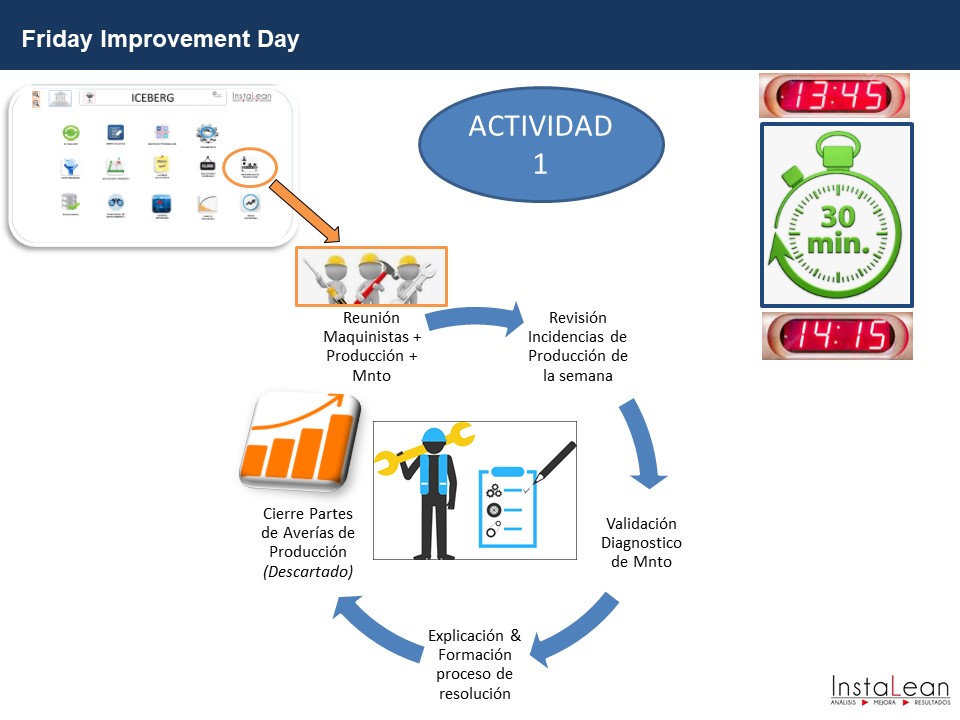
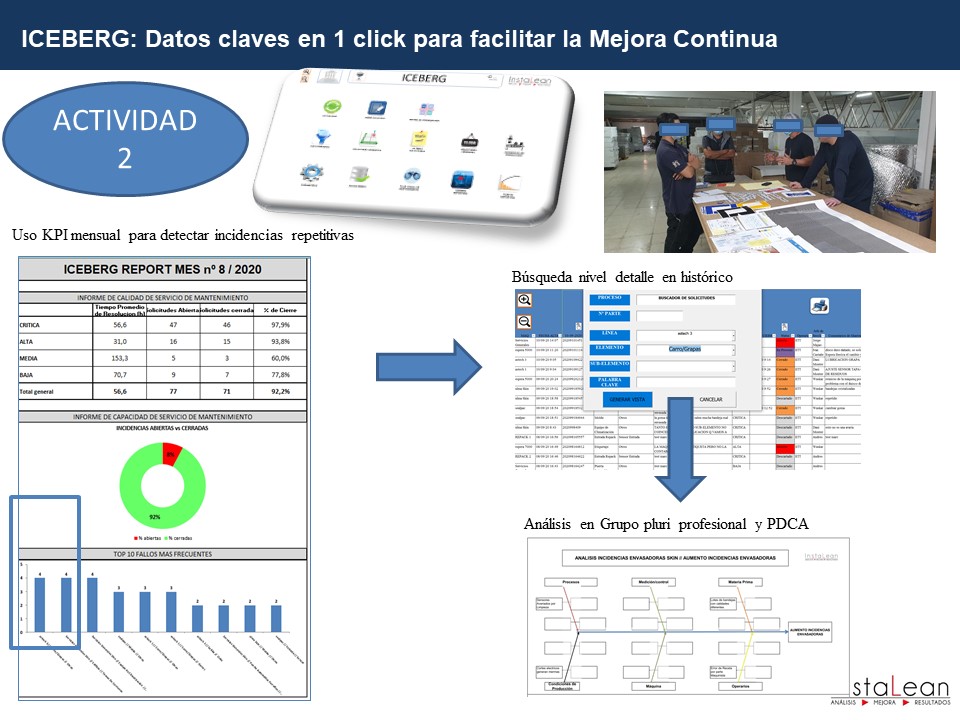
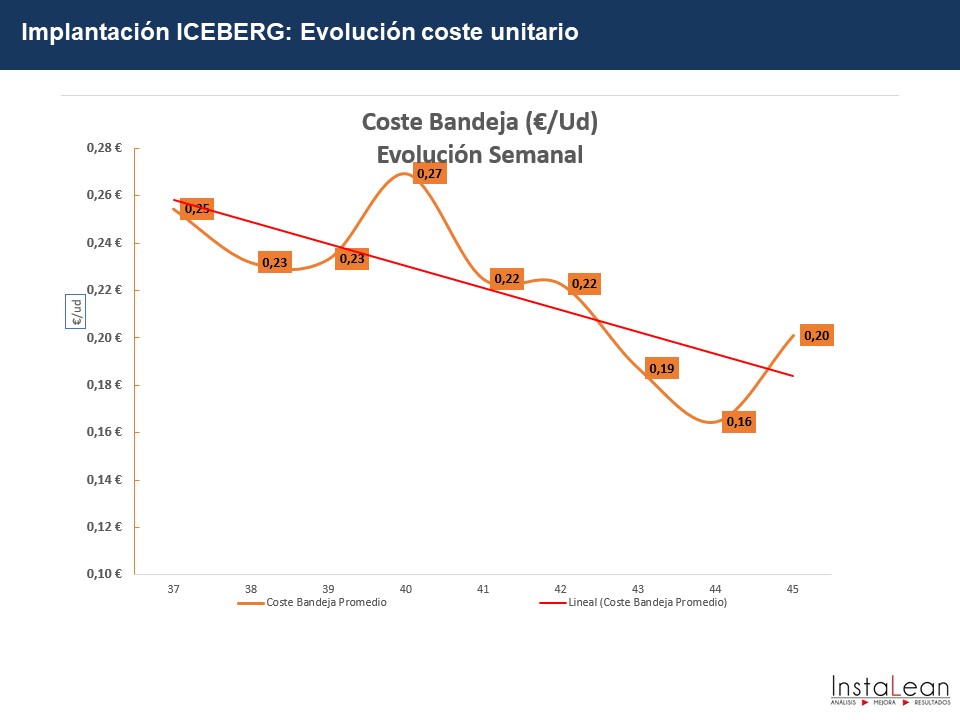
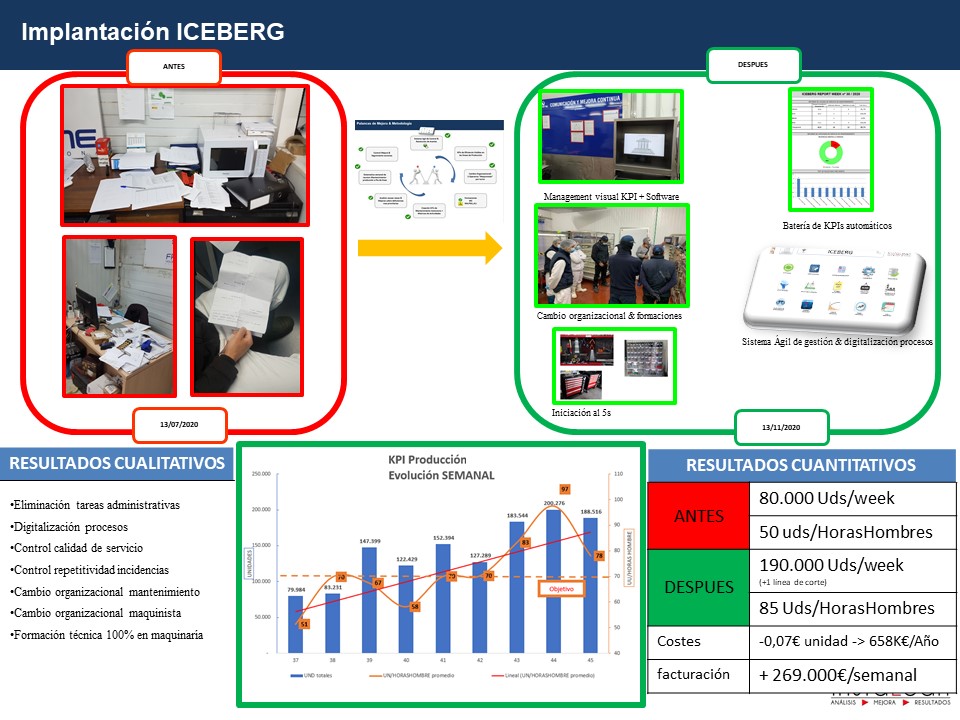
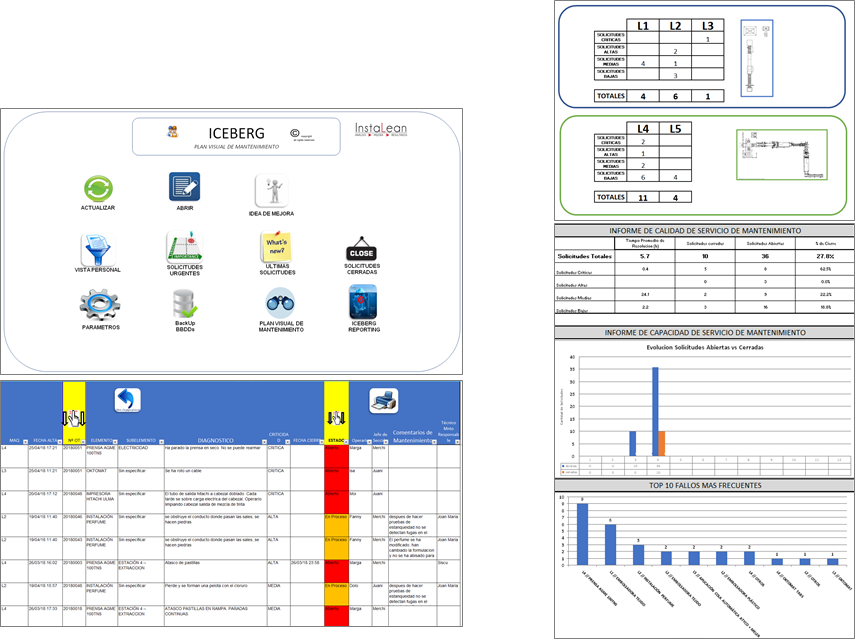
Iceberg: Agile System for Fault Control
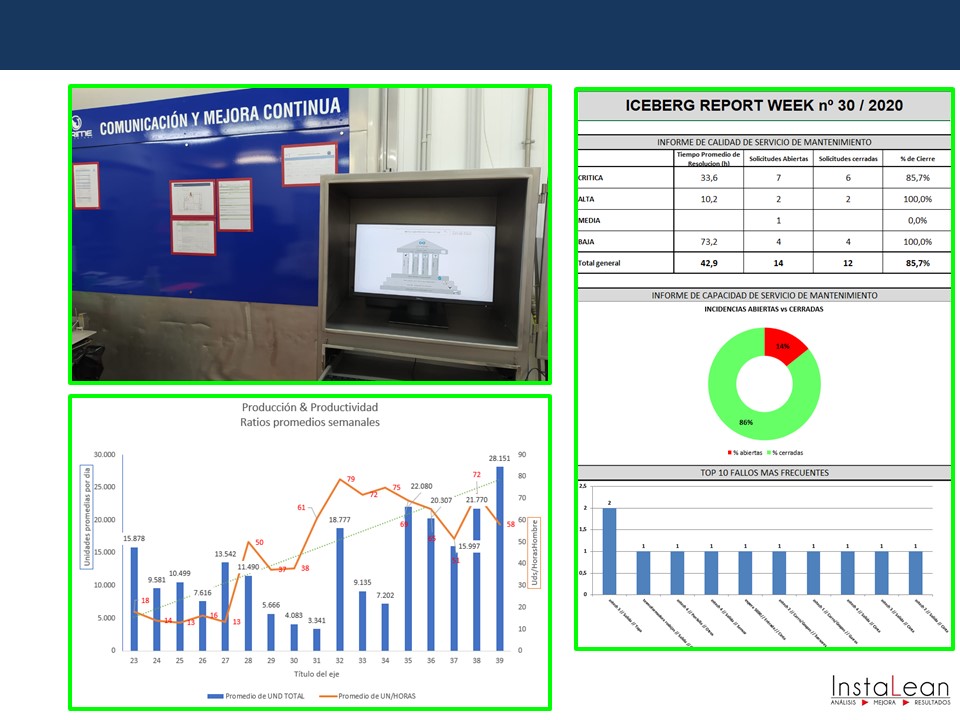
Iceberg Implementation (InstaLean software)
Electronic incident management through production-maintenance communication
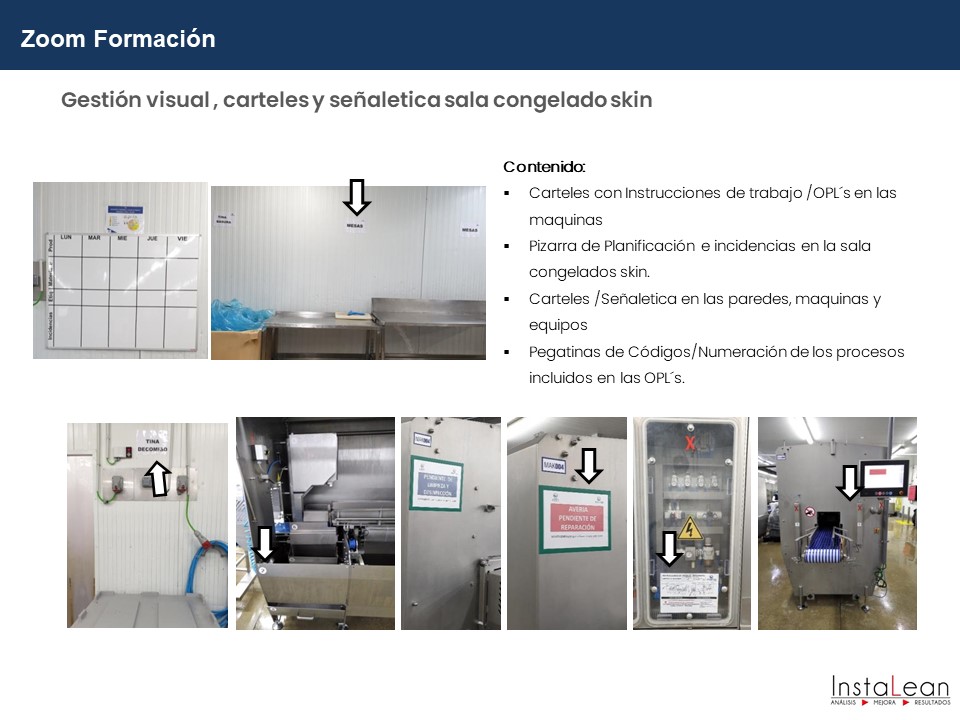
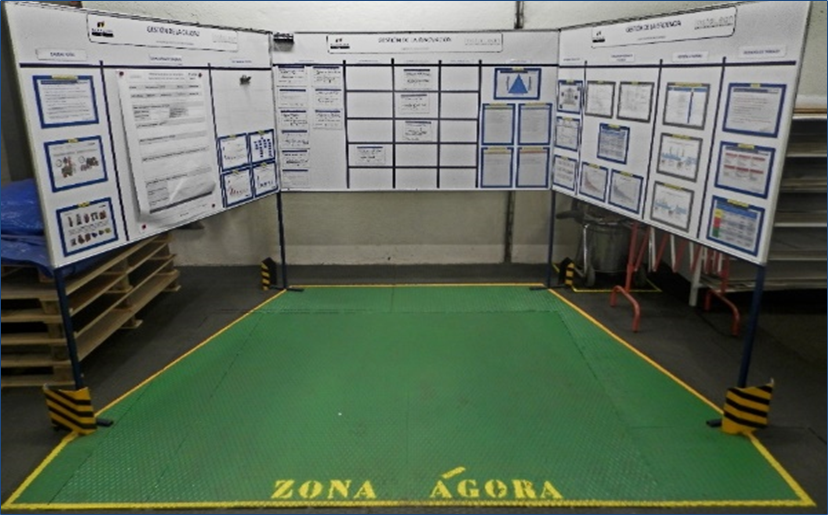
Agora Zone: Communication of Improvements
Publication and management of Iceberg indicators + Publication of 5S and Autonomous Maintenance Audits
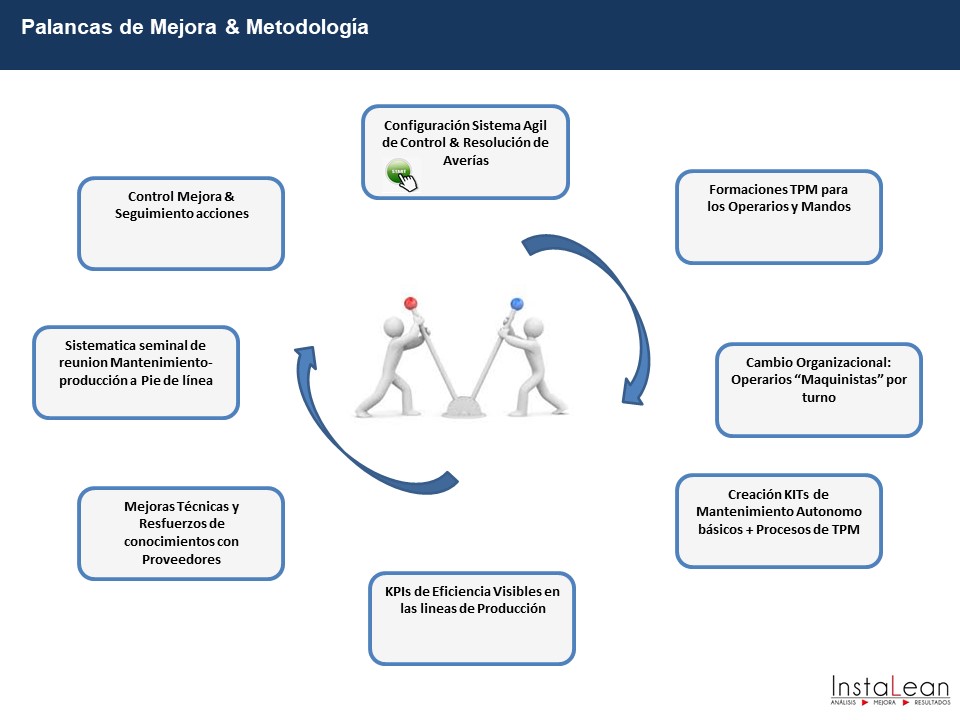
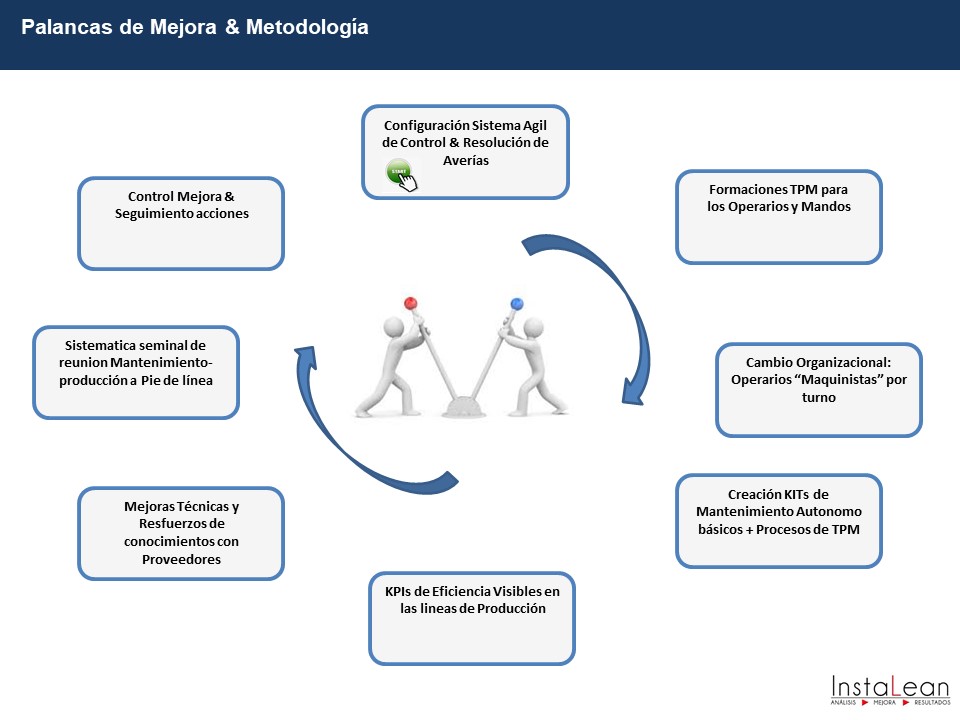
Step-by-Step Methodology Summary